

Hospitals
A Clinician's Guide to Patient Warmer Uses and Normothermia Protocols
Understand patient warmer uses for preventing perioperative hypothermia. An operational guide for Indian hospitals on selecting warming equipment.

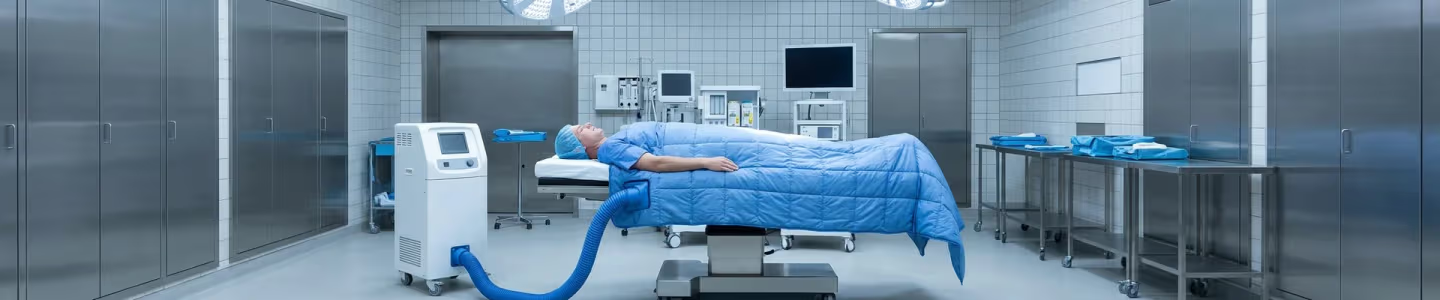
In any perioperative setting, from a high-volume OT complex to a standalone surgical clinic, maintaining patient normothermia is a non-negotiable standard of care. Inadvertent perioperative hypothermia (a core body temperature below 36.0°C) is not a minor inconvenience; it's a frequent and preventable complication linked to significant adverse outcomes. Understanding the correct patient warmer uses is fundamental to patient safety, clinical efficiency, and improved recovery metrics.
This guide provides an operational overview of patient warming technologies and their application across the surgical journey. We will focus on the clinical rationale, system types, and common practices from a peer-to-peer perspective, aimed at senior clinicians and procurement heads responsible for equipping their facilities.
The Clinical Rationale: Why Preventing Hypothermia is Critical
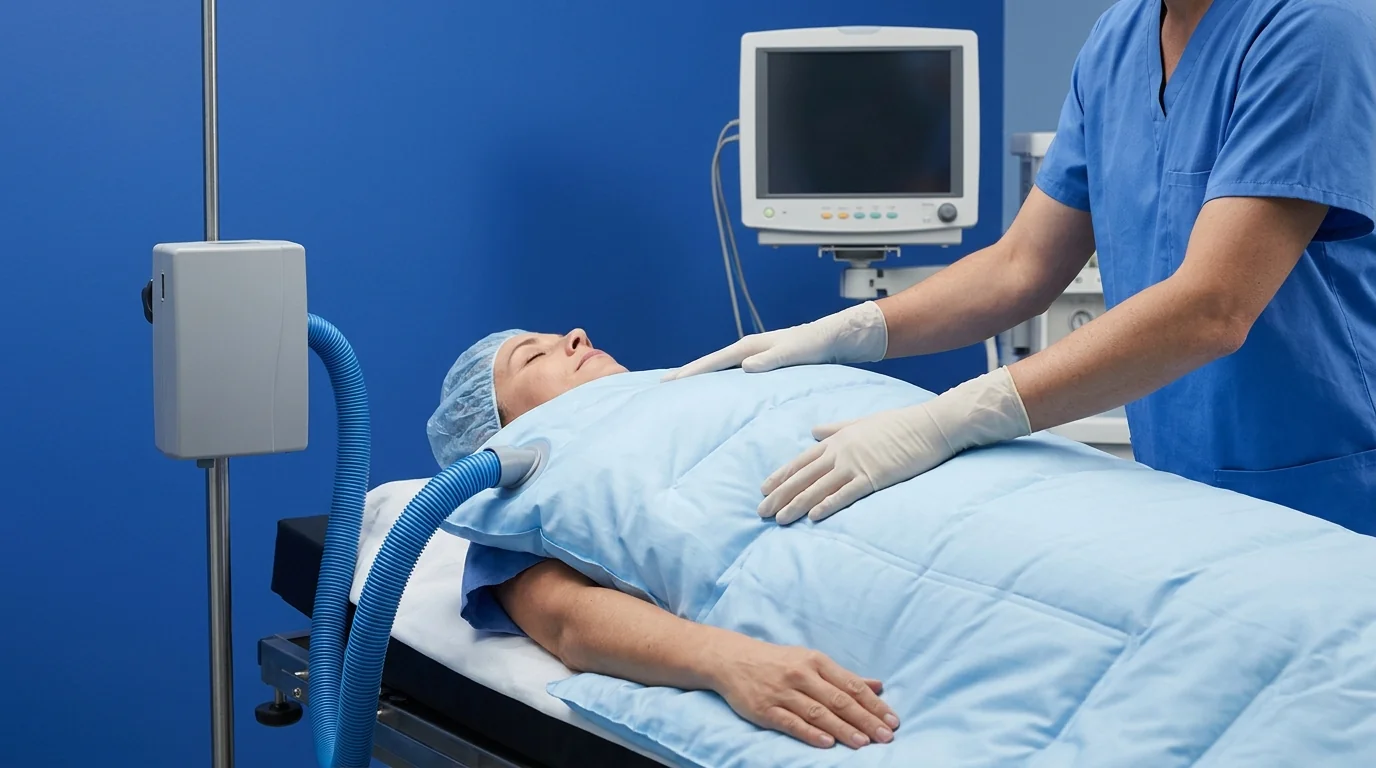 Anaesthesia induction causes peripheral vasodilation, leading to a rapid redistribution of heat from the core to the periphery. This, combined with a cool OT environment and exposure during surgery, can quickly drop a patient's core temperature. The physiological consequences are serious and directly impact hospital resources.
Key adverse outcomes of even mild hypothermia include:
- Increased Surgical Site Infection (SSI) Risk: Hypothermia triggers vasoconstriction, reducing subcutaneous oxygen tension and impairing neutrophil function, which compromises the immune response at the surgical site.
- Coagulopathy and Increased Bleeding: Enzymatic reactions in the coagulation cascade are temperature-dependent. A drop in core temperature impairs platelet function and can lead to increased intra-operative blood loss and a greater need for transfusions.
- Adverse Cardiac Events: Hypothermia can induce myocardial ischaemia and arrhythmias, particularly in patients with pre-existing cardiovascular conditions. Post-operative shivering dramatically increases myocardial oxygen consumption, adding further stress.
- Altered Drug Metabolism: The metabolism of anaesthetic agents and other medications is slowed, potentially prolonging recovery time in the Post-Anaesthesia Care Unit (PACU).
- Delayed Wound Healing: Impaired immune function and reduced blood flow to tissues can slow the healing process.
- Reduced Patient Comfort and Satisfaction: Shivering is a significant source of patient discomfort and anxiety post-operatively.
From an operational standpoint, these clinical issues translate into longer PACU stays, increased consumable utilisation, and potentially longer overall hospitalisation. Proactive patient warming is a direct investment in better outcomes and departmental efficiency.
Types of Warming Technologies and Their Core Applications
The selection of a warming system depends on the surgical procedure, patient positioning, and the specific clinical phase. There is no single universal solution; often, a combination of methods yields good results.
Forced-Air Warming (FAW)
This is arguably the most prevalent and effective method for active patient warming.
- Mechanism: A compact, temperature-controlled blower unit delivers heated, filtered air through a flexible hose to a single-use disposable blanket. These blankets have microscopic perforations on the patient-facing side, allowing for an even distribution of warm air over the skin.
- Applications: The versatility of blanket designs makes FAW suitable for a vast range of procedures. Blankets are available for full-body, upper-body, lower-body, and under-body placement. Surgical access blankets are designed with specific cut-outs for procedures like spinal, hip, or cardiac surgery. This adaptability is central to the wide variety of patient warmer machine uses in modern OTs. An example of this technology is the IOB Forced Air Warming System Patient Warmer.
Conductive Warming Systems (Resistive Heating)
These systems transfer heat directly to the patient through physical contact.
- Mechanism: Reusable mattresses or blankets contain flexible carbon-fibre heating elements that warm up to a specified temperature. They are typically placed under the patient on the OT table.
- Applications: Conductive systems are silent and do not circulate air, a feature sometimes preferred for certain orthopaedic procedures like joint replacements. They are effective for long-duration surgeries where the patient remains in a stable position (e.g., supine or prone).
Circulating Water Mattresses and Garments
This method uses temperature-controlled water for heat exchange.
- Mechanism: A control unit circulates water at a precise temperature through a network of tubes within a mattress or wearable garment.
- Applications: These systems offer both warming and cooling capabilities, making them valuable in settings like cardiac surgery (where core temperature may need to be deliberately manipulated) and in the ICU for therapeutic temperature management.
Intravenous Fluid and Blood Warming
Administering large volumes of room-temperature or refrigerated fluids can significantly lower a patient's core temperature.
- Mechanism: In-line devices use dry heat or other technologies to warm crystalloids, colloids, or blood products to physiological temperatures just before they enter the patient's bloodstream.
- Applications: This is an essential supplementary measure, not a primary warming method. It is critical during trauma resuscitations involving massive transfusions and in any surgery with anticipated high-volume fluid administration.
Operational Breakdown: A Phased Approach to Perioperative Warming
Effective normothermia management is not just an intra-operative activity. It requires a protocolised approach across the entire surgical pathway.
- Phase 1: Pre-operative Warming (Pre-warming)
- Objective: To ensure the patient arrives in the OT in a normothermic state. This builds a thermal reserve to counteract the initial temperature drop after anaesthesia induction.
- Protocol: Apply a forced-air warming blanket in the pre-op holding area for at least 30 minutes prior to transfer to the OT. This simple step is highly effective in preventing intra-operative hypothermia.
- Phase 2: Intra-operative Warming
- Objective: Actively maintain a core temperature between 36.0°C and 37.5°C throughout the procedure.
- Protocol: This is the primary phase for most patient warmer uses. Employ an active warming system (e.g., forced-air or conductive) as soon as possible after induction. Combine this with other measures like warmed IV fluids and maintaining an ambient OT temperature of at least 21°C. Continuous core temperature monitoring (e.g., via oesophageal or nasopharyngeal probe) is essential.
- Phase 3: Post-operative Warming
- Objective: To restore normothermia if it was lost and to treat post-operative shivering.
- Protocol: Continue active warming in the PACU using a forced-air blanket until the patient is stable, comfortable, and consistently normothermic. This improves patient comfort and reduces the metabolic stress caused by shivering.
Evaluation Criteria for Specifying Warming Equipment
When sourcing or upgrading warming equipment, procurement managers and clinical heads should consider the following practical factors:
- Clinical Performance and Safety:
- What is the accuracy and responsiveness of the temperature control?
- Does the system have reliable safety alarms for over-temperature and under-temperature conditions?
- How effectively does the blanket or pad distribute heat to prevent hot spots and potential skin injury?
- Operational Usability:
- Is the main unit compact, portable, and easy to mount on an IV pole or cart?
- What is the noise level (in dB) of the blower unit? A quieter unit is always preferable in the OT.
- How intuitive is the interface for clinical staff to operate under pressure?
- Infection Control:
- For forced-air units, what is the efficiency of the air filter (e.g., HEPA rated to 0.2 or 0.3 microns)?
- Is the exterior of the unit and the hose designed for easy and effective disinfection between cases?
- Are the disposable components (blankets) robust and hygienically packaged?
- System Versatility and Consumables:
- Does the system support a wide range of single-use blankets or reusable pads to cover all your primary surgical specialities?
- What is the long-term availability and supply chain reliability for the required consumables?
- Compliance and Certification:
- Ensure the equipment holds relevant certifications, which indicate adherence to quality management and safety standards for medical devices.
Equip Your Facility Today
Maintaining normothermia is a fundamental aspect of patient safety and quality of care. Evaluating and implementing the right patient warming protocols can significantly improve clinical outcomes and operational efficiency. For facilities looking to specify or upgrade their systems, exploring a comprehensive range is the next logical step. To see a full range of warming technologies and related consumables for your facility's needs, you can Browse Patient Warmer options from leading manufacturers.
FAQs