

Hospitals
Selecting the Correct Sterile Pad: An Operational and Clinical Guide
A practical guide for Indian clinicians and procurement heads on selecting and using the right sterile pad. Understand types, evaluation criteria, and best practices.


In any healthcare setting, from a high-volume outpatient department to a critical care unit, the sterile pad is a fundamental consumable. Its proper selection and use are not trivial matters; they are cornerstones of infection control, effective wound management, and patient safety. For the procurement manager or senior clinician, understanding the nuances between different types of sterile pads is essential for optimising both clinical outcomes and operational efficiency.
This guide provides a practical framework for evaluating and standardising the use of sterile pads within your facility, moving beyond brand names to focus on the material science, clinical application, and procedural best practices that truly matter.
Understanding the Fundamentals of a Sterile Pad
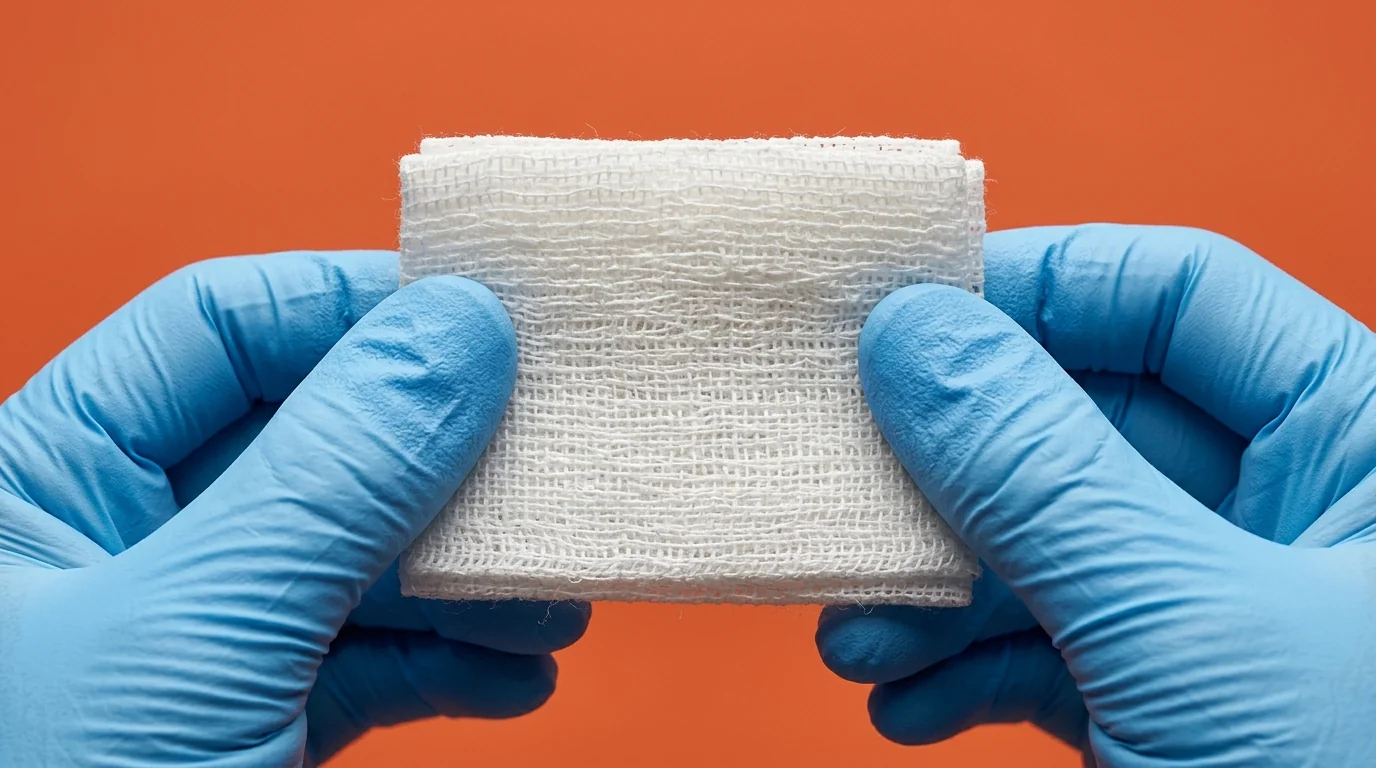 At its core, a sterile pad is a dressing, typically made of absorbent material like cotton or rayon, that has been processed to achieve a state of sterility. This means it is free from viable microorganisms. Its primary functions are multifaceted:
- Absorption: To manage wound exudate, blood, or other bodily fluids, keeping the wound bed clean and preventing maceration of the surrounding skin.
- Protection: To provide a physical barrier against external contaminants, reducing the risk of secondary infection.
- Haemostasis: To apply pressure to a bleeding site to help control minor haemorrhage.
- Application of Medicaments: To serve as a carrier for topical ointments or antiseptics.
The guarantee of sterility is paramount. Most medical-grade sterile pads are terminally sterilised, typically using Ethylene Oxide (EtO) or Gamma irradiation, to achieve a Sterility Assurance Level (SAL) of 10⁻⁶. This is a regulatory standard indicating a probability of only one non-sterile unit per one million products, which is the accepted benchmark for medical devices intended to come into contact with compromised tissue.
Types of Sterile Pads and Their Clinical Applications
Not all sterile pads are created equal. Matching the right type of pad to the clinical situation is critical for effective care.
Sterile Gauze Pads (Woven and Non-Woven)
These are the most common type of sterile pad, used for a vast range of applications.
- Woven Gauze: Made from interlaced cotton fibres. It offers good mechanical strength, making it suitable for packing wounds or for light debridement. However, it can have a higher lint count and may adhere to the wound bed if it dries out.
- Non-Woven Gauze: Made from synthetic fibres (like rayon or polyester) pressed together. It is generally softer, more absorbent, and produces significantly less lint than woven gauze, making it a better choice for dressing open wounds or as a primary contact layer.
Use Cases: General wound cleaning, prepping for procedures, applying antiseptic, and managing light to moderate exudate.
Non-Adherent Pads
These pads are designed with a special contact layer, often a perforated polymer film, that prevents the dressing from sticking to the wound surface. This minimises trauma and pain upon removal, protecting fragile new tissue and granulation beds.
Use Cases: Superficial wounds, burns, skin graft donor sites, granulating ulcers, and any situation where tissue damage during dressing changes is a primary concern.
Combine Dressing Pads (Abdominal Pads)
These are multi-layered, highly absorbent pads designed for managing significant levels of fluid. They typically feature a soft, non-woven wound contact layer, a thick inner core of absorbent fluff pulp or cellulose, and a hydrophobic, moisture-resistant backing to prevent strike-through. For heavy exudate situations, a sterile combine dressing pad is often the standard of care.
Use Cases: Post-operative surgical sites (especially abdominal), trauma wounds, and any heavily exuding wound requiring high-capacity fluid management.
Island Dressings
An island dressing combines an absorbent, non-adherent central pad (the "island") with an integrated adhesive border. This creates an all-in-one dressing that is easy to apply and provides a secure barrier against external contamination.
Use Cases: Post-surgical incisions with low to moderate exudate, clean minor wounds, and as a secondary dressing over other primary fillers.
Critical Evaluation Criteria for Procurement
When sourcing sterile pads for your facility, move beyond a simple unit-based comparison and evaluate them on these clinical and operational parameters.
- Material Composition: Is it 100% cotton, a synthetic blend, or rayon? Assess for hypoallergenic properties and, critically, for low-linting characteristics to prevent foreign body reactions in wounds.
- Absorbency and Fluid Handling: The pad’s capacity must match the expected exudate. A pad that is too small requires frequent, resource-intensive changes. A pad that is too large or absorbent for a dry wound can desiccate the tissue.
- Conformability: How well does the pad mould to anatomical contours like joints or the sacral area? A highly conformable pad provides better coverage and is more comfortable for the patient.
- Packaging Integrity: Each sterile pad must be individually sealed in a durable, easy-to-open peel pouch. The packaging must be resistant to moisture and tearing to maintain the sterile barrier until the point of use. Always check expiry dates during inventory audits.
- Regulatory Standing: Look for evidence of manufacturing under a robust quality management system, such as ISO 13485. This certification indicates that the manufacturer adheres to stringent international standards for medical device production.
- System Compatibility: A sterile pad is a fundamental component, but it functions as part of a system of care that includes everything from prep solutions to instruments. Evaluating your full inventory of Medicalequipments ensures procedural consistency and patient safety.
Best Practices for Handling and Application
The efficacy of a high-quality sterile pad can be nullified by improper technique. Reinforcing these practices among clinical staff is crucial.
- Strict Aseptic Technique: The package should be opened without touching the sterile pad itself. Use sterile forceps or gloved hands, touching only the corners, to place the pad onto the prepared site.
- Site Preparation: The wound and surrounding skin must be cleaned according to institutional protocol before a new sterile pad is applied.
- Appropriate Securing: Use a hypoallergenic medical tape, roll bandage, or retention dressing to secure the pad. The securing method should not constrict circulation or cause skin tension. Properly securing the pad is as crucial as the pad itself; a range of tapes and bandages are essential components of your facility's overall wound care dressing inventory.
- Scheduled Changes and Monitoring: Follow established protocols for dressing change frequency. This is typically guided by the level of exudate. A saturated pad must be changed immediately to prevent bacterial strike-through and skin maceration.
- Documentation: Every dressing change, including the type of sterile pad used and the condition of the wound, must be meticulously documented in the patient's record.
Equip Your Facility Today
Ensuring you have the appropriate range and quality of sterile pads is fundamental to upholding standards of care and preventing healthcare-associated infections. For a comprehensive selection of wound care supplies and other essential consumables tailored for Indian healthcare facilities, explore the offerings on MedikaBazaar.
FAQs

