

Hospitals
How to Buy the Right Medical Wheel Chair for Your Clinic
A B2B guide for procurement managers on how to buy a medical wheel chair for a clinic or hospital. Covers needs assessment, specs, and supplier evaluation.


Procuring wheelchairs isn't as simple as ordering office chairs. The wrong choice leads to frequent breakdowns, high maintenance costs, and potential patient safety issues. A systematic approach is non-negotiable. Before you even look at a catalogue, you need to run a needs assessment for your facility. This guide will walk you through the exact evaluation process we use to buy medical wheel chair inventory for our clinics, ensuring every purchase meets clinical, operational, and financial benchmarks.
Start with a Needs-Assessment Checklist
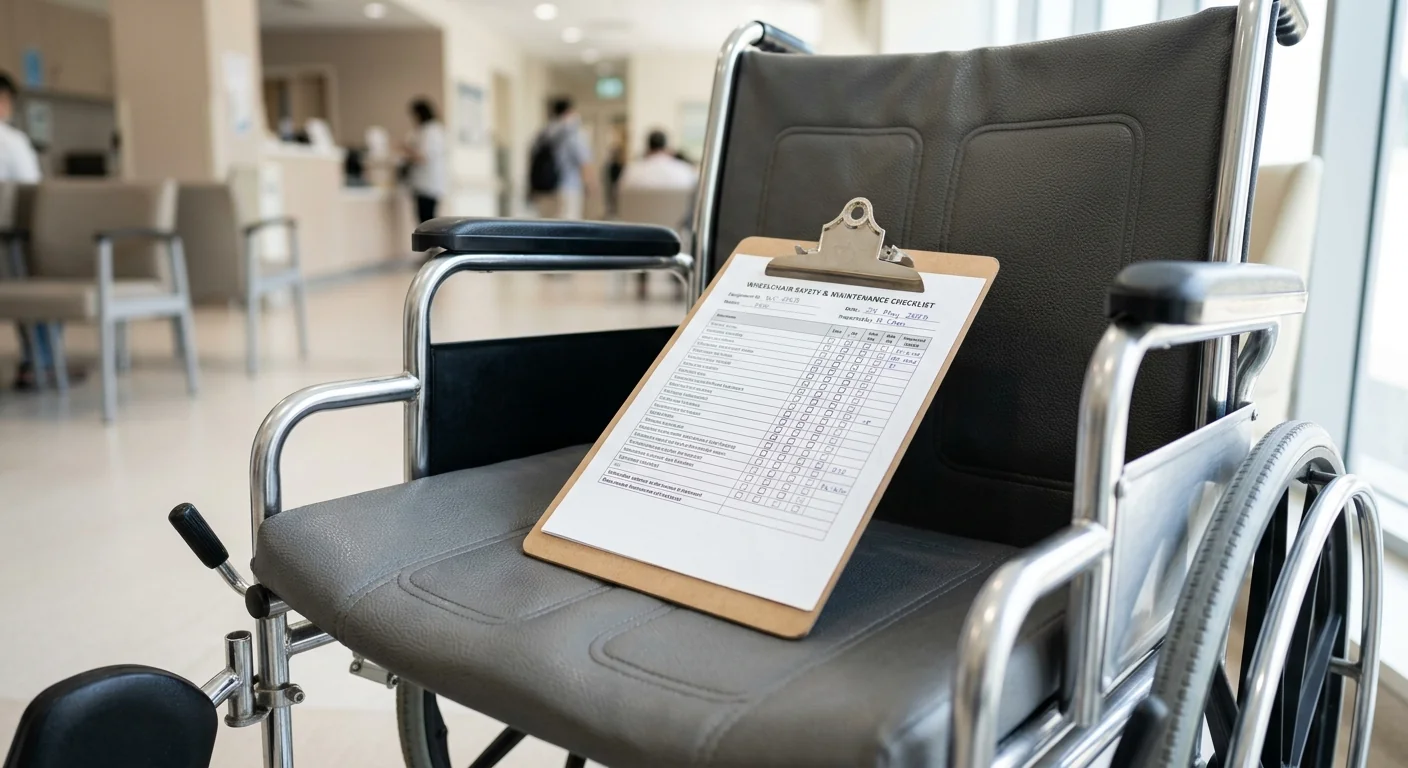 Don't start with price. Start with a clear definition of requirements. A chair destined for a busy OPD has different demands than one for ward-to-radiology transfers. Use this checklist to define your procurement scope.
- Required Volume: How many units are needed immediately? Per department (e.g., Casualty: 5, OPD: 10, Wards: 15)? What's your projected replacement cycle? Planning for a 3-year replacement cycle helps in budget allocation.
- Facility & Environment: Is the primary use indoors on smooth flooring? Will chairs be pushed over uneven pavement or up ramps between buildings? Check your narrowest doorways, elevator doors, and corridor turning radii. Standard chair widths are typically 24-26 inches.
- Primary Use Case:
- Patient Transport: For moving patients from reception to consultation rooms or between departments. Attendant-propelled is key.
- Waiting Area: Basic, durable chairs for short-term use in OPDs or diagnostic labs.
- Ward Mobility: For patients who need mobility within their ward. Self-propulsion might be a factor.
- Discharge: A dedicated fleet for patient discharge procedures.
- Patient Profile: What is the average weight of your patient population? A standard chair typically supports 100-110 kg. Do you require bariatric models?
Key Specifications to Evaluate Before Purchase
Once your needs are defined, evaluate potential models against these technical specifications. This is where you separate a workhorse from a liability. When you set out to buy durable medical wheelchairs, the details matter.
- Frame Material and Finish: The frame is the backbone. Look for Mild Steel (MS) for high-traffic areas due to its durability. A powder-coated finish is superior to a painted one for resisting chips, scratches, and rust, which is crucial for maintaining infection control standards. Check the quality of the welds; they should be clean and consistent.
- Wheels and Bearings: The rear wheels are typically 24-inch for standard models. Solid rubber or PU tyres are non-negotiable for a hospital environment—they require zero maintenance and cannot be punctured. Check that the front casters are at least 6-8 inches, made of solid PU, and rotate smoothly. Poor quality bearings are the first point of failure.
- Upholstery: Seating material must be non-porous and easy to sanitise. Rexine or PVC is the standard. It should be stretched taut with no loose stitching. Check for double-stitching at stress points.
- Armrests and Footrests: For general OPD and transport use, fixed, padded armrests are robust and have fewer moving parts to break. For patient transfers, especially in wards, flip-up armrests or detachable rests can be necessary. Footrests should be swing-away to facilitate safer entry and exit from the chair.
- Brakes: Ensure the chair has reliable, easy-to-engage wheel locks accessible to the patient or an attendant. Test the locking mechanism; it should hold firm without slipping.
- Weight and Foldability: The chair must be light enough for attendants to handle easily but heavy enough to feel stable. A net weight of 15-18 kg is standard. It should fold easily and compactly for storage.
A solid, all-around option that meets these criteria for general clinic and hospital use is the LifeX Wheel Chair. Its MS powder-coated frame, solid wheels, and durable Rexine upholstery make it a reliable choice for high-volume patient transport.
Beyond Upfront Cost: Evaluating Total Cost of Ownership (TCO)
The hospital wheelchair price is just one component of the total cost. A cheaper chair that fails in 12 months costs more than a slightly more expensive one that lasts for 36 months with minimal maintenance.
- Durability vs. Price: A lower price of wheel chair often correlates with thinner gauge steel, single-stitched upholstery, and lower-quality caster bearings. These will fail under the stress of daily hospital use.
- Spares Availability: Can your supplier provide spare parts like wheels, arm pads, and footrests? Replacing a single caster is far more cost-effective than replacing an entire chair.
- Standardisation: Procuring a single, standardised model across your facility dramatically simplifies maintenance. Your biomedical or maintenance team only needs to stock one set of spares and learn one repair process.
Exploring a full catalogue of options can help you standardise. You can assess various models on a single platform to find the right fit for different departments while maintaining a consistent quality standard. MedikaBazaar offers a comprehensive range of Wheel Chair models suitable for diverse clinical needs.
Checklist for Vetting a Wheelchair Supplier for Hospitals
Your supplier is as important as the product. They are a partner in keeping your facility operational.
- B2B Specialisation: Do they understand institutional procurement? Can they provide GST-compliant invoices and manage bulk orders?
- Logistics Network: Can they deliver to your specific location, whether it's in a metro city or a Tier-3 town? Check their track record on delivery timelines.
- Product Range & Authenticity: Do they offer a wide selection of standard wheelchairs for sale from reputable brands? This is crucial for finding the right fit and avoiding counterfeit or low-quality products. When you look to lifex wheelchair buy online, ensure it's from an authorised distributor.
- Customer Support: Is there a dedicated account manager or support line for B2B clients? What is the process for handling delivery issues or warranty claims?
Common Procurement Pitfalls to Avoid
We've all seen these mistakes. They are costly and disruptive.
- Ignoring User Feedback: Ask the nurses and ward attendants who use the chairs every day. They know which models break, which are too heavy, and which are difficult to manoeuvre.
- Failing to Measure: Not physically measuring your narrowest corridor or oldest elevator door before placing a bulk order is a classic, expensive error.
- Overlooking Maintenance: Choosing a chair with proprietary parts or complex mechanisms that your in-house team cannot service.
- Purchasing Based on Aesthetics: A chrome finish might look premium, but a high-quality powder coat is far more durable and practical for a clinical environment.
Why Procure from MedikaBazaar?
As procurement heads, our goal is efficiency, reliability, and value. MedikaBazaar is structured to meet these institutional needs.
- Verified Selection: Access to a wide range of products from brands like LifeX, ensuring you get authentic, clinically-vetted equipment. This includes a variety of Lifex patient transfer chairs and standard models.
- Competitive B2B Pricing: Transparent pricing designed for bulk institutional purchases, helping you manage your budget effectively.
- Pan-India Supply Chain: A robust logistics network ensures timely, reliable delivery directly to your hospital or clinic, regardless of location.
- Streamlined Procurement: The platform simplifies the entire process from search and comparison to ordering and GST invoicing, saving valuable administrative time.
Making the right choice in wheelchair procurement directly impacts operational efficiency and patient care. By following a structured evaluation process, you can ensure your investment is sound, durable, and fit for purpose.
Ready to equip your facility? Explore a complete range of hospital-grade wheelchairs and place your order on MedikaBazaar today.
FAQs

