

Hospitals
Mackintosh Sheets in Clinical Practice: Material, Selection, and Care
An operational guide for Indian hospitals on selecting and maintaining mackintosh sheets. Learn about materials, specifications, and clinical best practices.

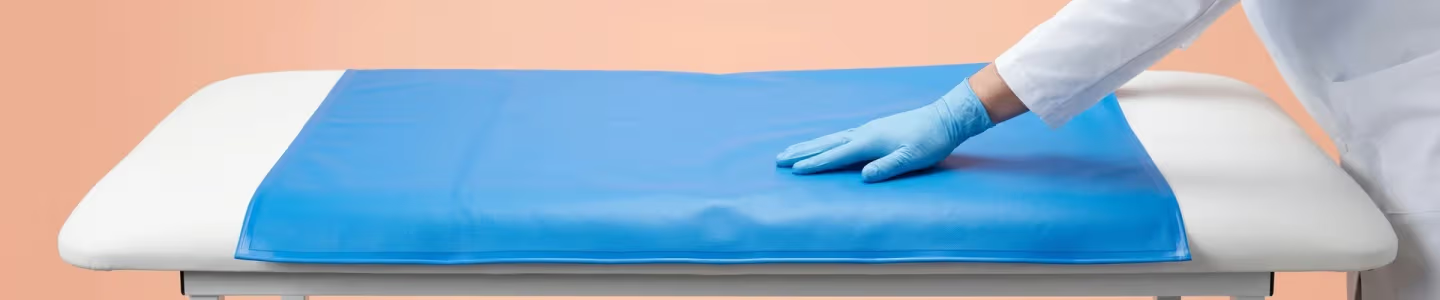
In any high-volume clinical setting, from a multi-speciality hospital ward to a local dental practice, the protection of capital assets like mattresses and examination tables is a constant operational challenge. The mackintosh sheet is a foundational tool in this effort. More than just a "rubber sheet," it is a specifically engineered, reusable waterproof barrier designed to withstand the rigours of a healthcare environment.
Understanding its material properties, evaluating its specifications against clinical needs, and implementing correct handling protocols are essential for both patient care and operational efficiency. This guide provides a peer-to-peer overview for procurement managers and senior clinicians responsible for sourcing and managing these critical consumables.
Core Composition and Material Science
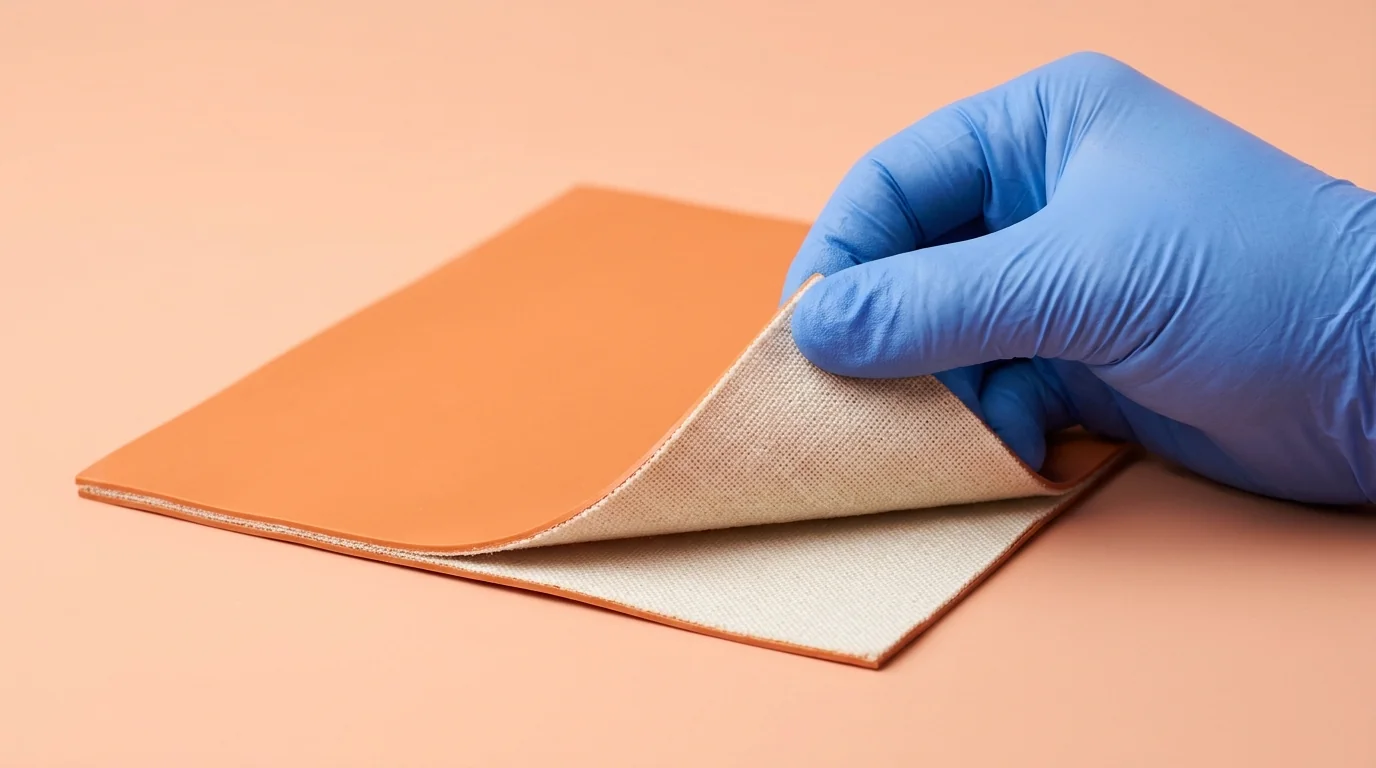 A mackintosh sheet is a composite material, not a simple plastic film. Its performance depends on the quality and synergy of its two primary components: the fabric base and the rubber coating.
-
Fabric Base: The core strength and tear resistance of the sheet come from its internal fabric layer, typically made of high-quality cotton or a cotton-polyester blend. A densely woven base prevents tearing and puncturing, ensuring the sheet maintains its integrity through repeated use and handling.
-
Rubber Coating: A layer of rubber is bonded to one or both sides of the fabric, making it impermeable to fluids. The type of rubber used is a critical specification:
- Natural Rubber: Known for its excellent flexibility and elasticity. However, it can be susceptible to degradation from oils, certain chemical disinfectants, and prolonged exposure to UV light. It also carries a risk for individuals with latex allergies.
- Synthetic Rubber (e.g., Nitrile, Neoprene): Generally offers superior resistance to chemicals, oils, and abrasion. These materials are more stable when exposed to common hospital disinfectants and are a better choice where latex sensitivity is a concern.
The final product is a durable, flexible, and washable sheet that provides a reliable barrier against blood, urine, saline, and other fluids encountered in patient care.
Key Specifications for Procurement Evaluation
When selecting a mackintosh sheet, moving beyond basic dimensions to assess technical specifications is crucial for ensuring longevity and fitness for purpose.
-
Thickness and Weight (GSM): The sheet's overall thickness and weight, often measured in Grams per Square Metre (GSM), are direct indicators of its durability. A higher GSM generally signifies a thicker rubber coating and a more substantial fabric base, translating to better resistance to wear and tear in high-turnover areas like emergency departments or ICUs.
-
Dimensions and Format: Mackintosh sheeting is available in pre-cut sizes corresponding to standard hospital beds, examination tables, and trolleys. It is also available in large rolls (e.g., 10-20 metres), which allows for custom cutting to fit non-standard equipment like bariatric beds or specialised surgical tables. Sourcing rolls can be more efficient for facilities with diverse needs.
-
Autoclavability: This is a non-negotiable specification for sheets intended for use in sterile environments like operating theatres. Not all mackintosh sheets can withstand the high temperature and pressure of an autoclave. The product specifications must explicitly state that it is autoclavable; assuming so can lead to material damage and a breach in sterile protocol.
-
Chemical Resistance: The sheet must be compatible with your facility's standard surface disinfectants. Confirm its resistance to common agents like sodium hypochlorite solutions, quaternary ammonium compounds, and other hospital-grade cleaners. Incompatible chemicals can cause the rubber to become brittle, crack, or discolour, compromising its barrier function.
Clinical Applications Across Departments
The utility of the mackintosh sheet extends across nearly every department within a hospital or clinic due to its fundamental purpose.
-
General Wards & ICUs: Essential for incontinent or bedridden patients to protect mattresses from soiling. They are placed under a cotton draw sheet to absorb moisture and protect the patient's skin.
-
Maternity & Labour Wards: Used extensively on labour tables, post-natal beds, and for newborn care to manage amniotic fluid, blood, and other bodily fluids.
-
Operating Theatres: Placed on OT tables beneath sterile drapes to provide a final waterproof barrier, protecting the table from fluids during surgical procedures. Autoclavable variants are mandatory here.
-
Emergency & Casualty: Deployed on stretchers and examination beds to manage fluids from trauma cases, providing a quick-to-clean surface between patients.
-
Outpatient & Specialty Clinics: Used on examination couches in gynaecology, urology, and general practice to maintain hygiene during consultations and minor procedures.
-
Diagnostic Labs & Phlebotomy: Used to cover workbenches and phlebotomy chairs, providing an easily cleanable surface in case of spills.
Operational Best Practices: Cleaning, Disinfection, and Storage
Proper care is critical to maximising the service life of a mackintosh sheet and ensuring it remains an effective infection control barrier.
Cleaning and Disinfection Protocol:
- Immediate Removal of Soiling: Gross contamination should be wiped off immediately with a disposable cloth.
- Washing: The sheet should be washed with a neutral pH detergent and lukewarm water. Avoid using harsh abrasive powders or stiff brushes that can score the rubber surface.
- Rinsing: Rinse thoroughly to remove all detergent residue, which can degrade the material over time.
- Disinfection: Wipe down all surfaces with a hospital-grade disinfectant, adhering to the contact time specified by the disinfectant manufacturer and confirming compatibility with the sheet's material.
Drying and Storage:
- Drying: The sheet must be completely dry on both sides before storage. Air-dry by hanging it over a rail or line. Avoid draping it over sharp corners and never expose it to direct, intense sunlight for prolonged periods, as UV radiation can cause the rubber to crack.
- Storage: The ideal storage method is to roll the sheet smoothly. Folding creates sharp creases that, over time, become weak points and are prone to cracking. Store rolls vertically or on a horizontal rack in a cool, dry, dark storeroom.
Routine Inspection: Integrate sheet inspection into the linen handling process. Before storage or issue, staff should visually check for tears, punctures, peeling of the rubber layer, or areas that have become hard and brittle. A compromised mackintosh sheet no longer serves its purpose and must be removed from service immediately.
Selection Checklist for Procurement Heads
Before finalising your selection, run through this operational checklist to ensure the product aligns with your facility's demands.
- Material Composition: Is it natural or synthetic rubber? Does this align with your chemical disinfectant usage and any latex allergy policies?
- Durability Metrics: What is the specified thickness or GSM? Is it suitable for the intended clinical area (e.g., heavy-duty for ICU vs. standard for a low-traffic OPD)?
- Sterilisation Compatibility: Do you require autoclavability for OT use? Has this been explicitly confirmed in the product specifications?
- Sizing and Format: Will pre-cut sheets suffice, or do you need the flexibility of bulk rolls for custom applications?
- Supplier Verification: Does the manufacturer provide clear technical data on chemical compatibility and cleaning instructions?
A thorough evaluation of these parameters ensures you select the most appropriate materials for your needs. You can explore a durable range of hospital mackintosh sheets to compare specifications against your facility's requirements.
Equip Your Facility Today
Ensuring your wards, OTs, and clinics are equipped with high-quality, durable barrier protection is fundamental to both hygiene and asset preservation. By focusing on material specifications and correct handling protocols, you can improve patient safety and maximise the service life of these essential consumables.
FAQs