

Hospitals
Hernia Kit Use: A Clinical and Operational Protocol
An operational guide for surgeons and procurement teams on hernia kit use, covering component selection, standardisation, and standard practices in the OT.


As procurement heads and senior clinicians, we are constantly balancing procedural efficacy with operational efficiency. In open hernia repair, the shift from sourcing individual components, such as mesh, sutures, fixation devices, to adopting standardised kits is a significant process improvement. Proper hernia kit use is more than just opening a box; it's a protocol that impacts consistency, inventory management, and potentially, patient outcomes. This guide outlines a practical framework for selecting, standardising, and implementing hernia kits in your facility.
This is not a theoretical overview. It is an operational and clinical breakdown for surgical departments looking to optimise their approach to one of the most common general surgery procedures.
Deconstructing the Hernia Kit: Core Components and Clinical Significance
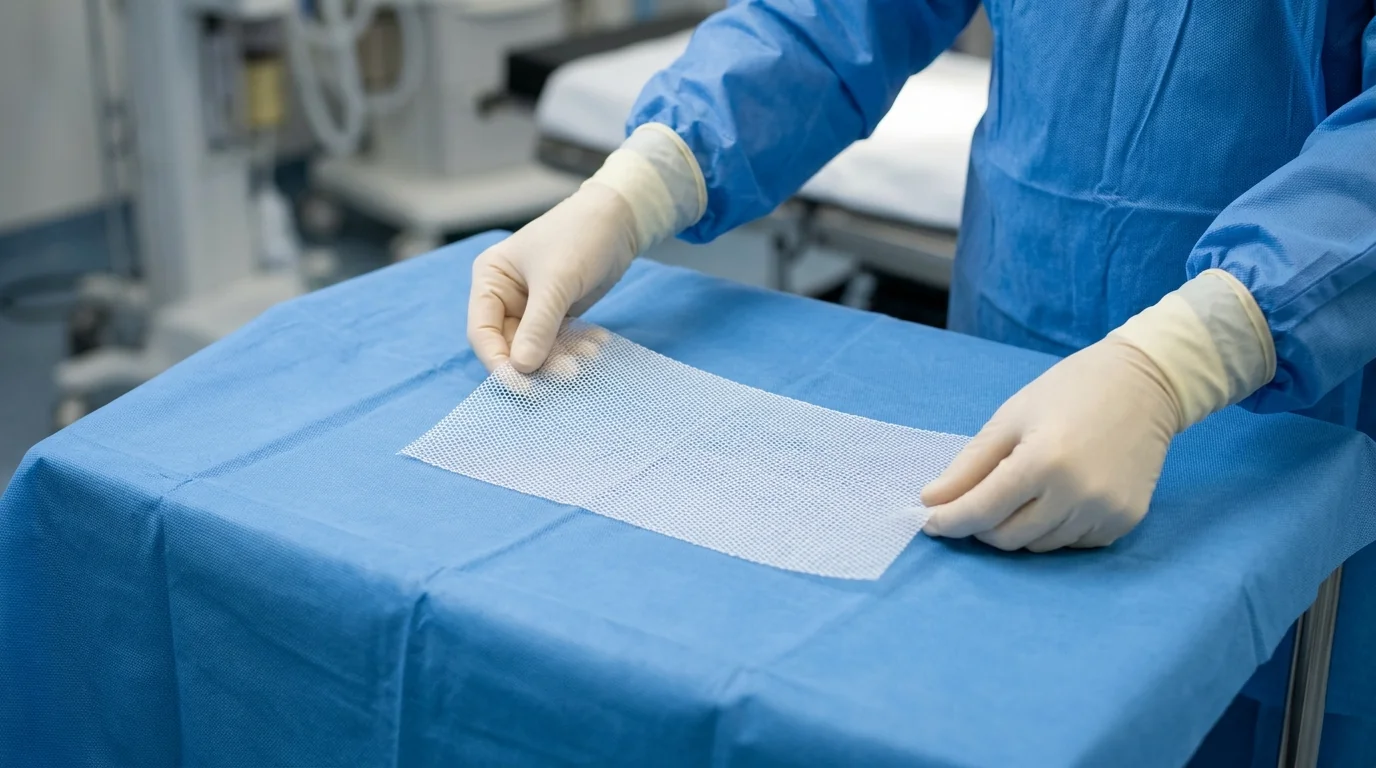 A hernia repair kit is designed to provide the essential sterile disposables for a tension-free herniorrhaphy in a single, traceable package. While configurations vary, the core components are almost always a surgical mesh and the necessary sutures for its fixation and wound closure.
1. Surgical Mesh: This is the central component, acting as a scaffold to reinforce the weakened abdominal wall. The material and construction are critical.
- Material: The standard is macroporous, monofilament polypropylene. Its inert nature and resistance to infection are well-established. The monofilament structure minimises the surface area available for bacterial colonisation compared to multifilament materials.
- Weight: Mesh is broadly categorised by its areal weight (grams per square metre - gsm). This is a primary decision point.
- Heavyweight (>80 gsm): Offers maximum tensile strength. Historically the standard, it is now typically reserved for large defects or situations requiring extreme durability, as its stiffness can sometimes be associated with a foreign body sensation or chronic discomfort.
- Mid-weight (50-80 gsm): A common compromise, providing substantial reinforcement with improved flexibility over heavyweight options.
- Lightweight (<50 gsm): Designed for better tissue integration and patient comfort. The larger pores encourage fibroblastic ingrowth, creating a more compliant, integrated repair. This is often preferred for primary inguinal hernias to minimise the risk of chronic groin pain.
- Size and Shape: Kits come with rectangular mesh sheets in standard sizes (e.g., 6x11 cm, 7.5x15 cm) that the surgeon can trim to fit the specific defect.
2. Sutures: The kit must contain the appropriate sutures for both fixing the mesh and closing the anatomical layers.
- Non-Absorbable Sutures: Typically monofilament polypropylene (matching the mesh material) in sizes like 2-0 or 3-0. These are used for securing the mesh to the surrounding strong fascial tissue (like the pubic tubercle or inguinal ligament in an inguinal repair). The permanence of the suture is essential for the long-term stability of the repair.
- Absorbable Sutures: Materials like Polyglactin 910 or Poliglecaprone 25 are included for closing the fascial layers, subcutaneous tissue, and skin. Their predictable absorption profile ensures they provide support during the critical healing phase before being metabolised by the body, leaving behind no permanent foreign material in the more superficial layers.
Some kits are designed around specific, well-established surgical techniques and may include additional components like connectors or underlay patches. An example of such a system-based kit is the Ethicon Simtrus Hernia Kit - 7.6 x 15 cm SHS4.
Selecting the Right Kit: A Protocol for Surgeons and Procurement
Evaluating and selecting a hernia kit for standardisation requires a joint effort between the surgical team and procurement. The decision should not be based on a single factor but on a holistic evaluation of clinical needs and operational realities.
Use the following checklist for your evaluation:
- Mesh Profile
- Weight & Porosity: Does the mesh weight align with your department's primary patient population and surgical philosophy? (e.g., Lightweight for routine inguinal hernias, mid-weight as a versatile workhorse).
- Handling Characteristics: Is the mesh easy to handle, trim without fraying, and does it lie flat without curling? This should be assessed during a clinical trial.
- Size Adequacy: Is the provided mesh size sufficient for the vast majority of your cases, minimising wastage or the need to open a second mesh?
- Suture Combination
- Material & Gauge: Does the kit provide the suture types and sizes your surgeons routinely use for mesh fixation and layer closure? A mismatch will lead to inefficiency and the need to supplement from OT stock.
- Needle Performance: Are the needles of appropriate size, curvature, and sharpness (e.g., round-bodied for fascia, cutting for skin) for the intended tissues? Poor needle quality can cause tissue trauma and frustration.
- Sterility, Packaging, and Compliance
- Sterilisation Method: Confirm the method (typically Ethylene Oxide - EtO) and ensure packaging is designed to maintain sterility until the point of use.
- Aseptic Presentation: The packaging should allow the scrub nurse to easily present the sterile components onto the surgical field without risk of contamination.
- Regulatory Status: Verify the manufacturer's regulatory documentation for the device. This is a non-negotiable for any implantable device.
- Traceability: The kit must have clear, durable labels with the manufacturer's name, lot number, and expiry date. This is crucial for your hospital's implant registry.
Standardising Hernia Kit Use Across a Surgical Department
Moving from individual component sourcing to a standardised Browse Hernia Kit system offers clear operational advantages for any busy hospital.
Key Benefits:
- Procedural Consistency: Using the same set of components for routine cases reduces variability between different surgeons' techniques, which can contribute to more predictable outcomes and easier quality audits.
- Inventory Optimisation: It drastically simplifies inventory management. Instead of stocking multiple SKUs for different mesh sizes and suture types, you manage a single SKU per kit type. This reduces holding, prevents stockouts of one component, and simplifies reordering.
- Enhanced OT Efficiency: Reduces the time spent by OT staff gathering individual items for a case. The grab-and-go nature of a kit streamlines case preparation.
- Reduced Handling: Opening one sterile package instead of three or four minimises traffic and handling in the sterile field, which is a core principle of infection control.
Standard Practices in the Operating Theatre
Effective hernia kit use extends to the workflow within the OT. A standard operating procedure (SOP) ensures safety and accuracy.
1. Pre-operative Verification (Time Out):
- The circulating nurse confirms the correct hernia kit is available.
- The outer packaging is inspected for any tears, punctures, or water damage.
- The expiry date is checked and verified aloud.
2. Intra-operative Workflow:
- Aseptic Transfer: The scrub nurse opens the outer, non-sterile packaging. The inner sterile package is then transferred to the sterile trolley without contact.
- Component Organisation: Once opened, the mesh and sutures are organised on the back table. Sutures should be kept in their packets until needed to avoid confusion between absorbable and non-absorbable types.
- Mesh Preparation: The surgeon inspects the mesh. It may be placed in a bowl of sterile saline for hydration, which can improve its handling characteristics. It is then trimmed precisely to allow for adequate overlap (typically 3-5 cm) beyond the edges of the hernia defect.
- Suture Management: The scrub nurse passes the correct suture (e.g., non-absorbable polypropylene for mesh fixation) as requested by the surgeon, confirming the suture type and size.
3. Post-operative Documentation:
- This is a critical, often overlooked step. The peel-off traceability label from the mesh packaging must be affixed to the patient's chart or scanned into the electronic health record (EHR).
- The hospital's implant registry must be updated with the patient's details and the full details of the mesh: manufacturer, model, lot number, and expiry date. This is a mandatory requirement for long-term device tracking and patient safety.
Equip Your Surgical Department
Standardising your approach to hernia repair can yield significant benefits in efficiency and consistency. Evaluating and selecting the right supplies is a foundational step in this process. Explore the comprehensive range of surgical consumables on MedikaBazaar to find the solutions that fit your facility's clinical protocols and operational goals.
FAQs