

Small Clinics
The Complete Guide to Foot Drop Splints: Benefits and How to Wear Them
Struggling with foot drop? Learn how a foot drop splint can improve your mobility, along with expert tips on choosing and wearing the right brace for you.


Foot drop (or "drop foot") is a common disability, affecting millions worldwide. People suffering from foot drop struggle with limited mobility and have an increased risk of injury from slips and falls. Foot drops are sometimes caused by a mass pushing on the nerve. This can be an overgrowth of bone in the spinal canal or a tumor or cyst pressing on the nerve in the knee or spine.
Foot drop is a clinical sign indicative of an underlying neurological, anatomical, or muscular disorder. It is characterized by the inability to dorsiflex the foot—i.e., lift the forefoot—due to weakness or paralysis of the dorsiflexor muscles of the ankle and foot. Weakness in the ankle and foot dorsiflexors results in a varus deformity. Sometimes referred to as steppage gait, which is a tendency of a person walking with an exaggerated flexion of the hip and knee to prevent the toes from catching on the ground during the swing phase.
What is a foot drop splint?
One way to improve function while the foot drop resolves is the use of splinting. A foot drop splint, often called an Ankle-Foot Orthosis (AFO), is a specialized medical device designed to support the foot and ankle by keeping them in a neutral, 90-degree position.
A solid ankle-foot orthoses (AFO) or foot-up splint can be used to keep the foot in plantar-grade. This works to increase the amount of dorsiflexion the foot is held in during gait and can prevent falls as the toes do not get caught on the floor.
This prevents the toes from dragging or "slapping" the ground, which is the primary challenge for individuals with foot drop caused by nerve injury, stroke, or conditions like multiple sclerosis. It provides structural support to the ankle joint, reducing the risk of injury and helping redistribute weight more evenly.
Key Benefits of Using an Orthopedic Splint for Foot Drop -
Using an orthopedic splint commonly known as an Ankle Foot Orthosis (AFO) - provides several functional and safety benefits for individuals with foot drops. The primary goal is to hold the foot in a neutral, 90-degree position to prevent the toes from dragging while walking.
- Improved Gait and Mobility: Splints assist with ‘toe-off' clearance and prevent ‘foot slap’, leading to a more natural and efficient walking pattern
- Reduced Fall Risk: By lifting the front of the foot, the splint prevents the toes from catching on the ground, significantly lowering the risk of tripping and stumbling
- Enhanced Stability and Balance: AFOs stabilize the ankle joint and improve weight distribution, helping users maintain their balance while standing or moving
- Reduced Fatigue: Supporting weak muscles reduces the extra energy typically required to compensate for foot drop (such as high-stepping or leg swinging), making walking less tiring
- Prevention of Deformities: Regular use helps maintain proper alignment and prevents complications like the shortening of the Achilles tendon or joint contractures
How to Wear a Foot Drop Splint?
Proper application ensures both comfort and the best possible gait correction. While designs vary, most follow these general steps:
- Prepare the Foot: Wear a long, breathable cotton sock to prevent skin irritation and absorb sweat
- Position the Splint: Sit down and place your foot flat against the splint’s footplate. Ensure your heel is firmly seated at the back of the heel cup
- Secure the Ankle Strap: Fasten the ankle strap first. This provides the initial alignment and ensures the foot doesn't slide forward
- Secure the Calf Strap: Wrap the strap around your mid-calf. It should be snug but loose enough that you can still fit one or two fingers underneath to ensure healthy circulation
- Insert into Shoe: Once the splint is secured to your leg, slide your foot (with the splint) into a supportive, wide-fitting shoe. Lace-up or Velcro shoes work best for adjusting the fit
- Check for Pressure: Ensure there are no sharp edges digging into your skin. If you notice persistent redness lasting more than 30 minutes after removal, consult your orthotist
What to Look for When Choosing a Foot Drop Brace?
When choosing a foot drop brace (Ankle-Foot Orthosis or AFO), the primary goal is to find a device that balances biomechanical support with daily comfort. Selecting the wrong brace can lead to skin breakdown, increased fatigue, or a restricted walking pattern.
- Level of Support (Rigid vs. Flexible): Rigid if looking for maximum stability and flexible if you are looking for overall mobility
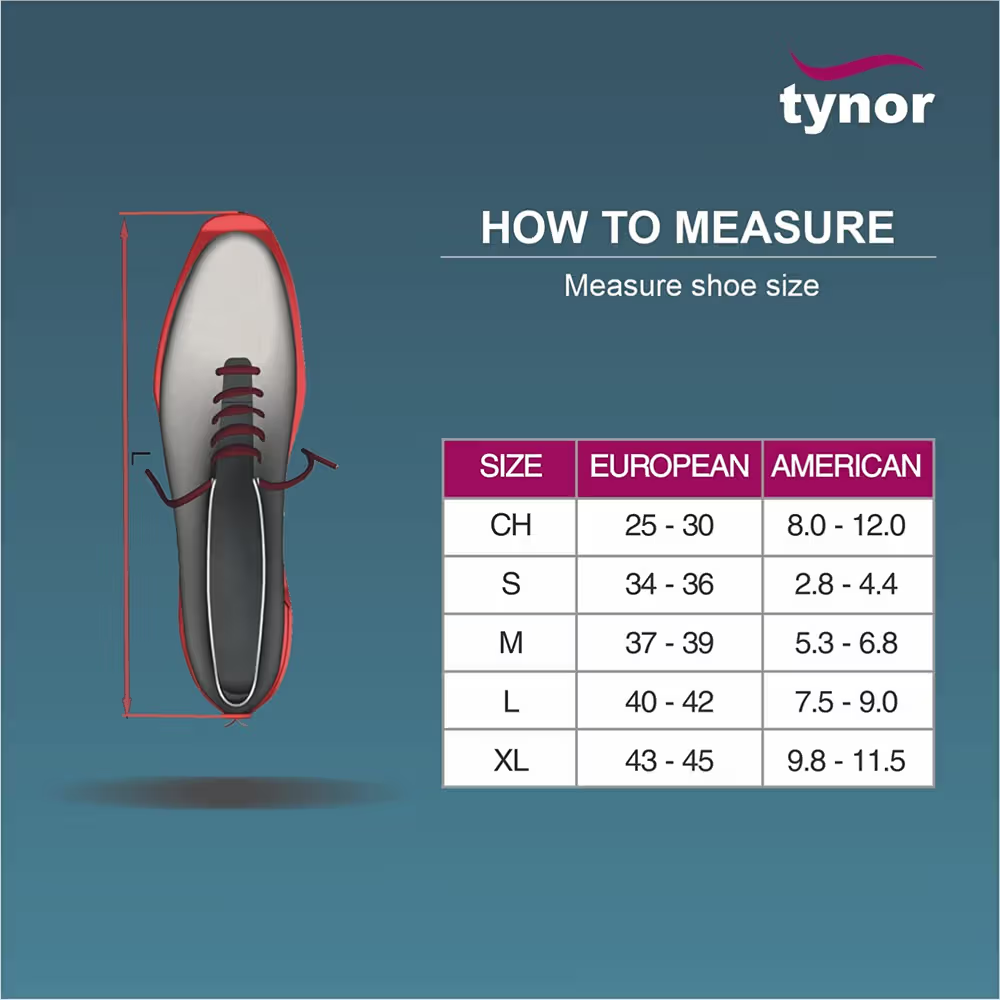
- Comfort and Fit: Look for breathable, lightweight materials with cushioned straps to prevent skin irritation. Ensure the foot plate fits within your existing footwear without overcrowding the toes
- Check Shoe Compatibility: A common reason for abandoning a brace is that it doesn't fit in the user's preferred shoes
- Lifestyle Considerations: Consider your activity level; if you are very active, durable materials like carbon fiber are recommended. If you have sensation loss, ensure the brace does not cause pressure sores
When to consult a Medical Professional?
No matter the underlying cause, patients suffering from foot drop tend to experience similar difficulties with basic, everyday tasks. Individuals experiencing foot drop may have difficulty lifting, turning, or flexing the foot. Consequently, they may drag the affected foot, trip over objects, misstep, or fall. Foot drop splints are typically recommended for conditions that cause muscle weakness or paralysis in the lower leg, including -
- Neurological disorders such as stroke, multiple sclerosis (MS), or cerebral palsy
- Nerve injuries, specifically to the common peroneal nerve
- Post-operative care and rehabilitation following spinal or leg surgery
Always seek an evaluation from a board-certified orthotist or physiotherapist rather than just buying an off-the-shelf product. They can perform a gait analysis to ensure the brace correctly aligns your stride and doesn't cause secondary strain on your hips or knees.
FAQs

