

Hospitals
Evaluating Vacuum Extraction Systems for Modern Obstetric Practice
An essential guide for procurement teams. Understand the clinical indications, cup types, and operational factors for selecting a vacuum cup for delivery.


As clinicians and operations heads, our primary responsibility in the labour and delivery suite is ensuring patient safety while facilitating good outcomes. Operative vaginal delivery remains a critical skill and an essential tool to avoid caesarean sections in the second stage of labor. Among the available instruments, the vacuum extractor, or ventouse, is a mainstay.
However, not all systems are created equal. The selection of a vacuum cup for delivery and its associated components is a decision with direct clinical and operational consequences. It requires a nuanced understanding of the technology, its indications, and how different designs perform under pressure. This guide moves beyond the basics to provide a peer-to-peer framework for evaluating and standardizing these essential devices in your facility.
Understanding the Components of a Vacuum Extraction Setup
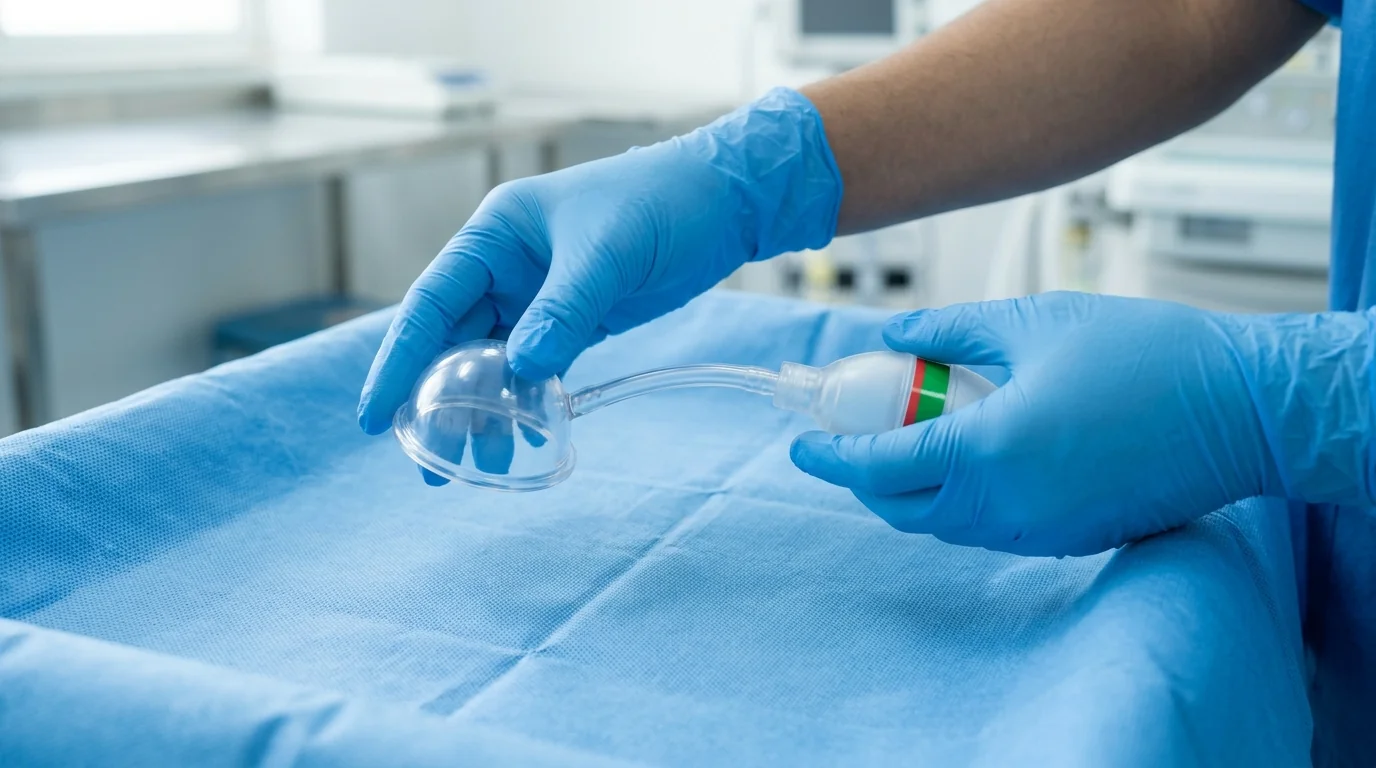 A complete vacuum extraction system, regardless of brand or model, consists of four primary components. Evaluating each part is key to understanding the whole.
- The Vacuum Cup: This is the critical interface applied to the fetal scalp. Cups vary significantly in material, shape, and size, which directly influences their performance and safety profile.
- The Handle/Shaft: This connects to the cup and is used by the obstetrician to apply traction in sync with maternal pushing efforts. Its design affects ergonomics and the operator's ability to apply force correctly along the pelvic curve.
- The Vacuum Source: Negative pressure is generated either by an integrated, hand-operated pump or an external source. External sources can include portable electric suction machines or central wall-mounted vacuum systems. When considering component-based systems, ensuring compatibility with your existing infrastructure is paramount. You can Browse Vacuum Pump options to assess compatibility with various ventouse systems.
- Tubing and Pressure Gauge: Flexible tubing connects the cup to the vacuum source. An integrated or in-line pressure gauge is non-negotiable for safety, allowing the operator to monitor and maintain the negative pressure within the recommended therapeutic range (typically 500-600 mmHg).
Types of Vacuum Cups: A Clinical Comparison
The choice of cup is arguably the most critical clinical decision. The primary trade-off is between adhesion effectiveness and potential for fetal scalp trauma. Understanding the differences is fundamental to equipping your department appropriately.
By Material:
- Soft/Flexible Cups: Typically made from silicone or plastic polymers. They are generally considered more forgiving on the fetal scalp, with a lower incidence of severe lacerations. However, they are more prone to detaching ("pop-offs"), which can prolong the procedure and may lead to failure. They are most effective in straightforward occiput anterior (OA) presentations.
- Rigid Cups: These include traditional metal cups (e.g., Malmström) and those made of hard plastic. They provide superior traction and have a lower detachment rate, making them more effective for challenging deliveries, such as occiput posterior (OP) or asynclitic presentations. This improved efficacy comes with a higher risk of localized scalp trauma, such as cephalohematomas.
By Shape:
- Bell/Dome Shaped: This is a common design, particularly for soft cups. It has a low profile and is relatively easy to apply. Its efficacy is highest when placed centrally on a well-flexed head in the OA position.
- Mushroom/M-Cup Shaped: This design, originating with the Malmström cup, has a more pronounced, inverted-funnel shape. It is designed to be placed precisely over the flexion point, helping to flex the fetal head as traction is applied.
- Specialised/Asynclitic Cups: Some modern systems feature cup designs specifically engineered for malpositions, allowing for more effective application and traction when the fetal head is not perfectly aligned in the pelvis.
At a glance, here is a comparison of cup types:
| Feature | Soft/Flexible Cups | Rigid Cups |
| Material | Silicone, Polymer | Stainless Steel, Hard Plastic |
| Typical Use Case | Uncomplicated Occiput Anterior (OA) presentations | Occiput Posterior (OP), Asynclitic positions |
| Success Rate | Generally lower, higher pop-off rate | Generally higher, lower pop-off rate |
| Fetal Scalp Trauma | Lower risk of severe scalp laceration; higher risk of minor bruising | Higher risk of cephalohematoma and lacerations |
| Ease of Application | Generally easier to apply for less experienced operators | Requires more precise placement over the flexion point |
Key Evaluation Criteria for Procurement
When sourcing a vacuum delivery system, your evaluation should be systematic and clinically-driven. Consider these factors as your procurement checklist.
1. System Type: Integrated vs. Component-Based
- Integrated Systems: These all-in-one units combine the cup, tubing, and a handheld vacuum pump into a single device. A well-known example is the Kiwi Complete Vacuum Delivery System - With Palm Pump.
- Advantages: Highly portable, rapid setup time (critical in emergencies), no need for an external vacuum source, often disposable, eliminating sterilization concerns.
- Considerations: Typically single-use, which has implications for inventory management and waste. The manual pump requires operator effort to maintain pressure.
- Component-Based Systems: These involve separate, often reusable cups and handles that connect to an external vacuum source.
- Advantages: Reusable components can be more cost-effective over time. Can be connected to powerful, stable electric suction units for consistent negative pressure.
- Considerations: Requires a compatible and functional vacuum source nearby. Slower setup time. Reusable components demand a robust cleaning, disinfection, and sterilization protocol managed by your Central Sterile Services Department (CSSD).
2. Clinical Efficacy and Safety Profile
Evaluate the design based on your unit's needs. Do you need a versatile system with multiple cup types for managing malpositions, or is a standard bell cup sufficient for your patient caseload? Review literature and data, if available, on success rates and incidences of maternal and neonatal complications associated with the specific designs you are considering.
3. Usability and Ergonomics
In a high-stress delivery, the device must be intuitive.
- Can it be assembled quickly and correctly?
- Is the pressure gauge clear, accurate, and easy to read? Many have a color-coded "green zone" to indicate the safe therapeutic range.
- Does the handle allow for a secure grip and controlled application of traction?
4. Sterilization and Infection Control
This is a major operational consideration.
- Single-Use/Disposable: Simplifies infection control protocols but requires diligent inventory management and a process for medical waste disposal.
- Reusable: Demands strict adherence to cleaning and sterilization protocols. Confirm that the manufacturer's recommended sterilization method (e.g., steam autoclaving) is compatible with your CSSD's capabilities. The long-term durability of the components through repeated sterilization cycles should also be assessed.
5. Compliance and Quality Standards
Ensure any device procured for your facility meets requisite quality standards. Ask suppliers for documentation of the standards each device meets. This is a non-negotiable aspect of patient safety and risk management.
Operational Practices and Safety Protocols
The safest instrument is only as effective as the protocol guiding its use and the training of the operator.
- Standardized Protocols: Your department should have a clear, evidence-based protocol for VAVD. This must include strict indications and contraindications, a clear definition of what constitutes a failed attempt (e.g., maximum duration, maximum number of pop-offs, maximum number of pulls), and an established chain of command for escalating to a caesarean section.
- Pre-use Checks: Before every application, the operator must verify the integrity of the system. For reusable systems, this includes checking for cracks, discoloration, or wear. For all systems, it involves ensuring the gauge is functional and the system can hold negative pressure.
- Pressure Management: The protocol must specify the rate of pressure increase and the maximum negative pressure. A gradual increase allows the chignon (scalp swelling) to form properly within the cup, ensuring a better seal and reducing trauma.
- Regular Training: Competency in operative vaginal delivery cannot be assumed. Regular, hands-on simulation training for all obstetricians and residents is essential to maintain skills, practice communication, and drill emergency procedures.
Equip Your Facility Today
Ensuring your labour and delivery unit is equipped with appropriate, safe, and effective vacuum delivery systems is a cornerstone of modern obstetric care. A thorough evaluation of your clinical needs, operational workflows, and the available technology will empower you to make a well-informed choice for your clinicians and patients.
Review the range of certified vacuum-assisted delivery systems and compatible suction equipment available on MedikaBazaar to find the right solution for your facility's requirements.
FAQs