

Hospitals
Evaluating Surgical Pads: A Clinical and Procurement Perspective
An operational guide for clinicians and procurement managers on selecting the right surgical pad based on material, absorbency, sterility, and clinical application.


As a fundamental consumable in any healthcare setting—from the operating theatre to the outpatient department—the humble surgical pad is often taken for granted. Yet, the specifications of this seemingly simple item have direct implications for patient safety, infection control, and procedural efficiency. Selecting the correct pad is not just a matter of inventory; it's a clinical decision that impacts exudate management, wound healing, and the prevention of retained surgical items.
This guide moves beyond the basics to provide a framework for evaluating and standardising the surgical pads used in your facility. We will address the material science, clinical applications, and operational protocols that experienced teams consider when making procurement decisions.
Deconstructing the Surgical Pad: Core Components and Function
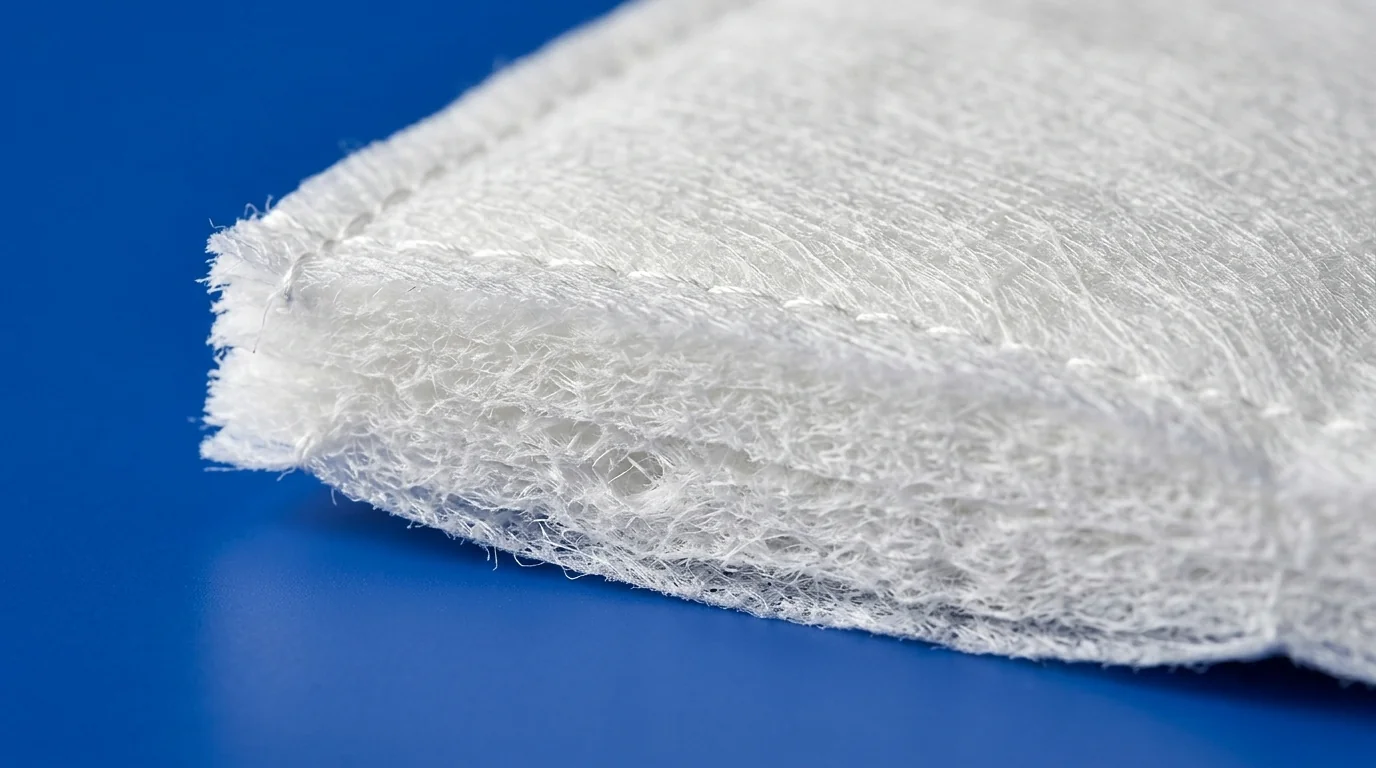 Understanding the construction of a surgical pad is the first step in appreciating its function. While designs vary, most high-quality pads consist of several distinct layers, each with a specific purpose.
- Absorbent Core: This is the functional centre of the pad. It is typically made from highly absorbent materials like medical-grade cotton, cellulose fluff, or a blend. The core's job is to rapidly wick away and retain bodily fluids, blood, and exudate, keeping the wound site clean and preventing maceration of surrounding tissue.
- Wound Contact Layer: The surface that touches the patient is critical. Modern surgical pads often feature a non-woven fabric facing. This design allows fluid to pass through to the absorbent core while minimising the risk of the pad adhering to the wound bed. A non-adherent layer prevents tissue trauma and patient discomfort during dressing changes.
- Hydrophobic Backing: Many pads, particularly abdominal (ABD) pads, include a fluid-resistant or impermeable backing. This layer acts as a barrier to prevent strike-through, protecting patient clothing, bedding, and the sterile field from contamination.
- Radiopaque Component: For any pad intended for use within a surgical cavity, an X-ray detectable thread or element is a non-negotiable safety feature. This component, often a blue thread impregnated with barium sulphate, ensures the pad can be located via imaging if it is inadvertently retained post-procedure.
Types of Surgical Pads and Their Clinical Applications
Not all pads are created equal. Matching the type of surgical pad to its intended clinical use is essential for both patient outcomes and inventory efficiency.
- Abdominal (ABD) Pads: These are large, multi-layered, and highly absorbent pads designed for managing heavy drainage. Their primary use is as a secondary dressing over a primary dressing or packed wound, especially following major abdominal or orthopaedic surgery. Their thick, soft construction also provides a protective cushioning effect over incisions and sutures.
- Gauze Pads and Sponges: Perhaps the most versatile category, gauze pads are used for everything from wound cleaning and prepping to debridement and fluid absorption in minor procedures. They are available in various sizes (e.g., 5x5 cm, 10x10 cm) and plys (e.g., 8-ply, 12-ply), which determines their thickness and absorbency. For open wounds and packing, options like sterile gauze surgical pads are the standard of care.
- Non-Adherent Pads: Specifically engineered for delicate wounds such as burns, skin grafts, or granulating tissue. These pads have a special coating or film on the wound contact side that prevents them from sticking, ensuring atraumatic removal that does not disrupt the healing process.
- Superabsorbent Pads: For managing chronic, heavily exuding wounds like venous leg ulcers or diabetic foot ulcers, pads incorporating Superabsorbent Polymers (SAP) are indicated. These polymers trap large volumes of exudate and convert it into a gel, locking it away from the skin and reducing the frequency of dressing changes.
Key Evaluation Criteria for Procurement and Clinical Teams
When sourcing surgical pads, a systematic evaluation ensures you are specifying a product that meets your facility's clinical and safety standards.
Clinical Performance:
- Absorbency and Wicking: Evaluate both the total fluid capacity (how much it can hold) and the rate of absorption (how quickly it takes up fluid). A fast-wicking pad is crucial in active bleeding situations, while high capacity is needed for managing chronic exudate.
- Material and Linting: The material should be biocompatible and hypoallergenic. Critically, for use in open wounds or surgical sites, the pad must be low-linting. Lint fibres shed into a wound can act as a foreign body, increasing the risk of infection and granuloma formation.
- Conformability: The pad should be soft and flexible enough to conform to body contours without creasing or bunching, which can create pressure points and channels for fluid leakage.
Safety and Compliance:
- Sterility and Packaging: Sterile pads must be individually sealed in durable, tamper-evident packaging. The pack should clearly display the method of sterilization (e.g., Ethylene Oxide - EO, Gamma Irradiation), lot number, and expiry date.
- X-Ray Detectable Feature: For any pad used in an operating theatre, confirm the presence and reliability of the radiopaque marker. This should be a standard line item on your procurement checklist.
- Regulatory Adherence: Ensure the manufacturer adheres to relevant quality management standards, such as ISO 13485 for medical device manufacturing. Conformance to Bureau of Indian Standards (BIS) specifications for surgical dressings and medical textiles provides an additional layer of quality assurance.
Operational Best Practices for Handling Surgical Pads
Proper management of surgical pads extends beyond procurement and is a shared responsibility of materials management and clinical staff.
- Storage: Store cartons in a clean, dry, and cool environment, away from direct sunlight or moisture. Ensure they are kept off the floor and protected from physical damage that could compromise the sterile packaging of individual units.
- Inventory Rotation: Implement a strict First-In, First-Out (FIFO) system. This ensures that pads are used well within their sterility expiration date, preventing waste and safeguarding patient safety.
- Surgical Count Protocol: In the OT, the surgical count is a critical safety procedure. All pads must be counted by at least two personnel (e.g., scrub nurse and circulating nurse) before the procedure begins, before the closure of any cavity, and before the final skin closure. Any discrepancy must be resolved before the patient leaves the OT.
- Disposal: Used surgical pads are considered biohazardous waste. They must be segregated at the point of care and disposed of in designated red or yellow bags/containers according to the latest Bio-Medical Waste Management (BMW) Rules.
Finding the right balance of performance, safety, and application-suitability is key. For a clearer understanding of the options available for your specific departmental needs, you may want to review a comprehensive selection of surgical pads to compare specifications against your clinical requirements.
Equip Your Facility Today
Ensuring your clinical teams have consistent access to the appropriate type and quality of surgical pad is fundamental to patient safety and procedural efficiency. By evaluating your facility's requirements across the OT, casualty, wards, and outpatient clinics, you can maintain a well-specified, compliant, and effective inventory of this essential consumable.
FAQs

