

Hospitals
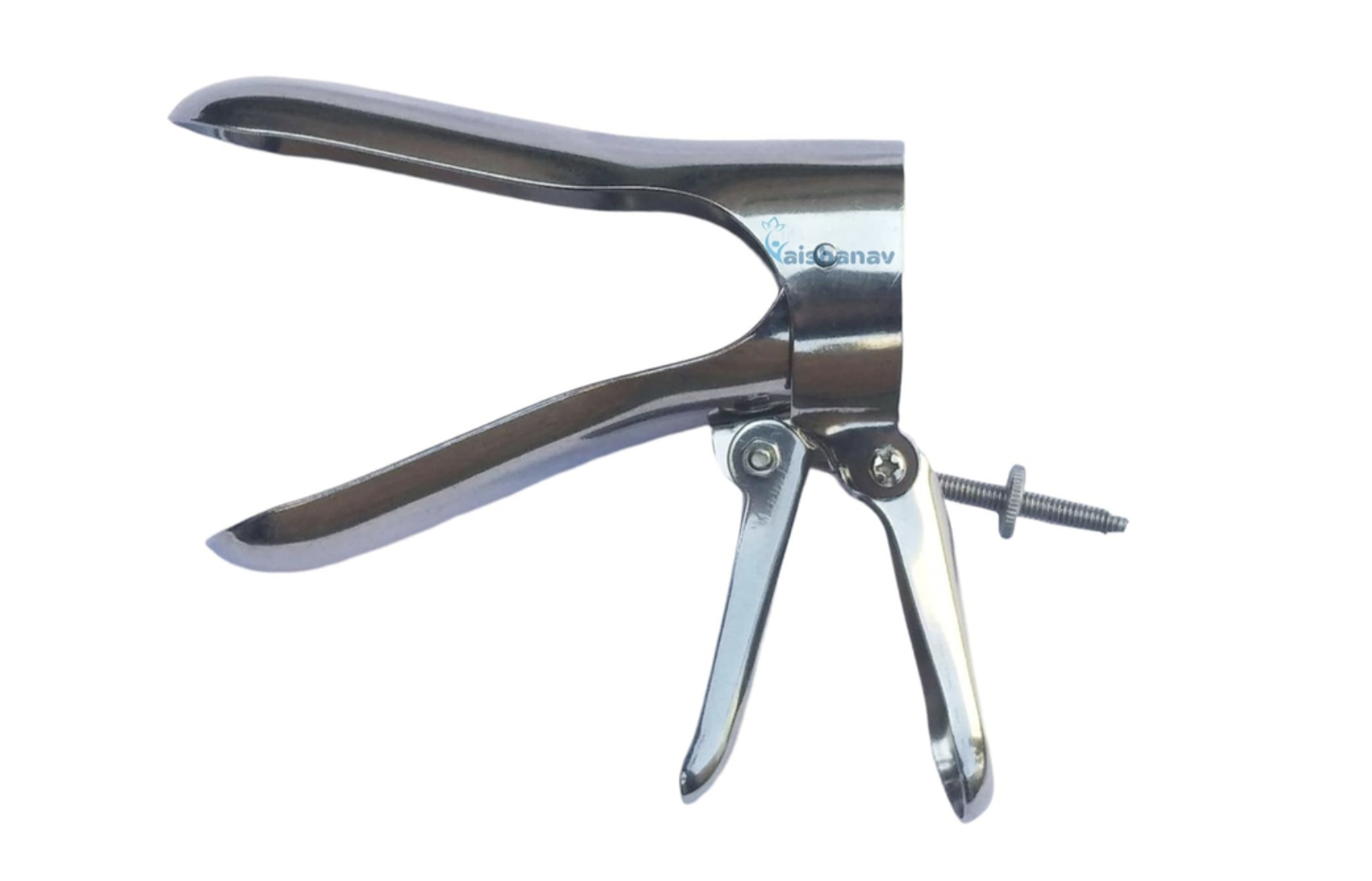
What Is a Cusco Speculum?
Learn about Cusco speculum uses, parts, handling, and safe gynecology practices in this guide. Buy safe speculums online from Medikabazaar now.


How to Hold and Position a Cusco Speculum
Indications
Speculum examination in the emergency department is primarily indicated for:
Cervical shock – vaginal bleeding with hypotension and bradycardia caused by products of conception stretching the cervix, which triggers a vagal response. Removal of these products can reverse the hypotension and bradycardia.
Heavy vaginal bleeding – unresolved bleeding may lead to hypovolaemic shock. Clearing clots and products of conception from the cervical os allows the uterus to contract and helps control bleeding. Surgery may sometimes be required.
Suspected vaginal foreign bodies – typically stuck tampons or condoms. Prompt removal prevents infection and reduces the risk of toxic shock syndrome.
Positioning
- Patient supine with head elevated; bed facing away from the door.
- Empty bladder before the procedure.
- Remove clothing from the waist down, place absorbent pads beneath, and cover with a towel or sheet.
- Position legs: heels drawn up, ankles together, hips and knees flexed and abducted. A pillow under the buttocks improves visualization.
- Hold the Cusco speculum like a pair of scissors, with your thumb and fingers on the handles.
- Keep your grip firm but gentle to avoid applying excessive pressure.
- Lubricate the blades lightly with a water-based jelly to ease insertion.
How to Use Cusco Speculum
Procedure: Removal of Products
- Part the labia majora and insert the speculum horizontally without rotation.
- Maintain pressure on the posterior vagina until resistance is met, then open the speculum.
- Visualize clots, pooled blood, and cervix if possible.
- Remove visible clots with forceps and wipe fornices and cervix using gauze.
- Remove any products in the cervical os with forceps.
- Briefly observe the cervix for ongoing bleeding.
If the Cervix Cannot Be Identified
- Withdraw and reinsert the speculum.
- Use a pillow under the buttocks, palpate the cervix with a gloved hand, or ask the patient to bear down.
- In cases of vaginal wall laxity, a condom over the speculum (with the end cut off) can improve visualization.
Post-Procedure Care
- Send removed products for histopathology.
- Document findings and the procedure.
- Offer patient support, including contact with partner, family, or social services if needed.
- Monitor for further bleeding: continuous cardiorespiratory monitoring and pad checks every 30–60 minutes.
- Refer for urgent dilation and curettage if heavy bleeding continues.
Common Uses of Cusco Speculum in Gynecology
Pelvic Exam
During a pelvic exam, a gynecologist uses a vaginal speculum to gently open the vaginal canal, allowing them to examine the vagina, cervix, and other reproductive organs. This exam can include collecting cells from the cervix with a special brush, known as a Pap test or Pap smear, which is checked in a lab for early signs of cervical cancer. Cell samples may also be taken to test for sexually transmitted infections (STIs).
Cusco vaginal Speculums uses are also in procedures such as:
Vaginal hysterectomy – removal of the uterus through the vagina.
Dilation and curettage (D&C) – opening the cervix to remove part of the uterine lining.
Intrauterine insemination (IUI) and in vitro fertilization (IVF) – fertility treatments.
Intrauterine device (IUD) placement – a reversible form of birth control inserted into the uterus.
Anal Exam
An anal speculum allows doctors to examine the anus and rectum for conditions such as hemorrhoids, abscesses, anal fissures, polyps, and certain cancers.
Ear Exam
An ear speculum is used by ENT specialists or primary care doctors to inspect the ear canal and eardrum. It helps detect issues like swimmer’s ear, eardrum perforation, wax buildup, foreign objects, and acute ear infections (otitis media).
Nasal Exam
A nasal speculum widens the nostrils, giving doctors a clear view of the nasal passages. It is used to diagnose conditions, fix a deviated septum (septoplasty), or remove foreign objects from the nose.
Reusable vs Disposable Cusco Speculums: Pros & Cons
| Feature | Reusable Cusco Speculum | Disposable Cusco Speculum |
| Material | Durable materials like stainless steel | Lightweight plastic |
| Usage | Cusco speculum uses are multiple time option | Single-use only |
| Cost | Higher upfront cost but cost-effective long-term | Lower upfront cost but adds up with frequent use |
| Sterilization | Requires thorough cleaning and sterilization between patients | No sterilization needed |
| Sturdiness | Provides stable and sturdy feel | May feel less durable during use |
| Infection Risk | Low if properly sterilized | Very low due to single-use |
| Environmental Impact | Eco-friendly with repeated use | Generates more waste |
All Parts of the Cusco Vaginal Speculum Explained
Blades
The two main parts that separate to open the vaginal walls. They provide visibility of the cervix and vaginal canal during examination.
Handle
The part you hold while using the speculum. It allows a firm grip and precise control when opening or closing the blades.
Hinge/Joint
Connects the blades to the handle and allows smooth opening and closing. A well-functioning hinge ensures even separation of the blades without twisting.
Thumb Screw / Locking Mechanism
This is used to lock the blades in an open position, freeing the clinician’s hands for procedures like Pap smears or removing clots.
Blunt Tips
The ends of the blades are rounded to prevent injury or trauma to the vaginal walls during insertion.
Light Attachment Area (optional)
Some modern Cusco speculums have an area to attach a light source, improving visibility during exams and minor procedures.
Tips for Patient Comfort and Safe Insertion
- Before starting, calmly explain what you’ll be doing and why.
- Encourage the patient to ask questions or express any concerns.
- Have the patient lie supine with knees bent and hips slightly apart.
- Use absorbent pads and a towel or sheet to maintain privacy and cleanliness.
- A small pillow under the buttocks can help relax the pelvic muscles.
- Lubricate the blades lightly with water-based jelly.
- Insert the speculum slowly and at a slight angle to reduce discomfort.
- Avoid forcing the blades; allow the vaginal muscles to relax naturally.
- Check in with the patient as you insert and open the speculum.
- Pause if the patient feels pain or tension, allowing them to relax before continuing.
- Open the blades gradually to improve visibility while minimizing stretching.
- Tilt or slightly reposition the speculum rather than applying excessive pressure.
- Close the blades gently before removal.
- Withdraw slowly while maintaining communication to keep the patient calm.
- Offer reassurance and privacy after the procedure.
FAQs

