

Hospitals
A Clinical and Operational Review of Teddyy Diapers for Paediatric Settings
An informational guide for clinicians and procurement heads on evaluating Teddyy diapers for paediatric and neonatal care in Indian hospital settings.


In any paediatric ward, neonatal intensive care unit (NICU), or outpatient clinic, the selection of basic consumables like diapers has a direct impact on patient outcomes, nursing efficiency, and infection control. While seemingly a simple item, the right diaper selection is a clinical decision. Poorly specified products can lead to skin breakdown, increase nursing workload, and elevate the risk of secondary infections. This guide provides a peer-to-peer operational review of the key evaluation criteria for teddy diapers in a professional healthcare environment.
We will examine the features that matter from a clinical standpoint—absorbency, material science, and fit—and their direct consequences for hospital operations, from staff allocation to inventory management.
Core Features for Clinical Evaluation
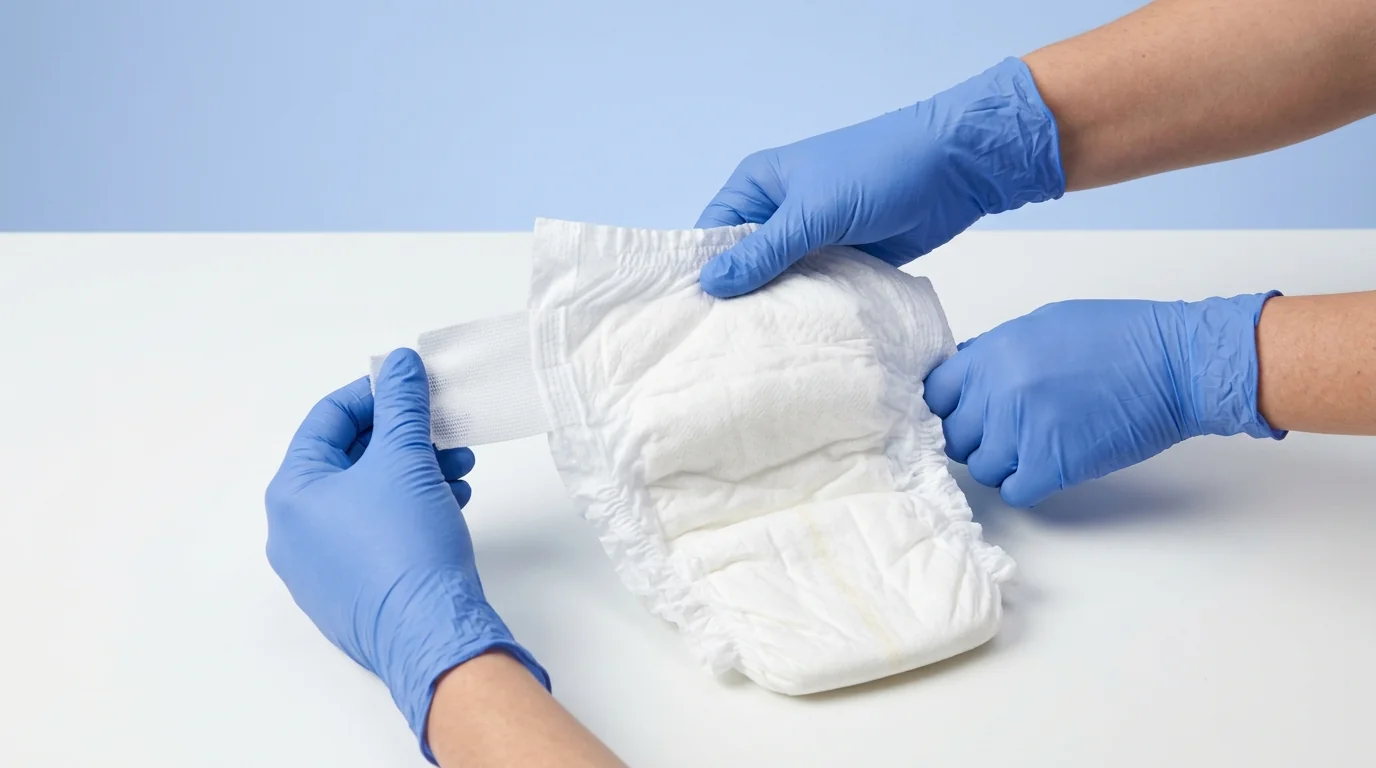 When assessing any diaper for paediatric use, a few technical features are non-negotiable for ensuring patient safety and comfort. These go far beyond the basic requirements of a consumer product.
-
Absorbency and Leakage Protection: The core function of a diaper is containment. Look for a specification that includes a Super Absorbent Polymer (SAP) core. This technology converts liquid into a gel, locking moisture away from the skin. This rapid sequestration is critical for preventing moisture-associated skin damage. Additionally, assess the construction of leak guards or cuffs around the leg openings; these should be soft and flexible but create a reliable seal to prevent side leakage, especially for infants in less-static positions.
-
Skin Health and Material Science: An infant's skin barrier is delicate and permeable. The diaper's top sheet—the layer in direct contact with the skin—must be hypoallergenic and made from a soft, non-woven, breathable fabric. Avoid products with added perfumes, lotions, or alcohol, as these are common irritants that can lead to contact dermatitis. A material that helps maintain the skin’s natural pH balance is clinically preferable.
-
Fit, Comfort, and Sizing: A proper fit is essential for both comfort and performance. An effective diaper should feature a flexible, elasticated waistband and refastenable side tapes that allow for a secure, adjustable fit without restricting movement or breathing. A comprehensive range of sizes, from newborn/preemie to larger paediatric sizes, is necessary to equip a facility to handle all patients appropriately. An incorrectly sized diaper is the leading cause of leakage.
-
Wetness Indicator: This is a simple but highly effective operational feature. A clear visual indicator (typically a line that changes colour when wet) allows nursing staff to check a diaper’s status without disturbing the patient. This small detail saves significant time, reduces unnecessary changes, and minimises sleep disruption for the infant, which is a factor in recovery.
Operational Impact in a Hospital Setting
The technical specifications of a diaper translate directly into operational realities on the ward floor.
Staff Efficiency and Workflow A highly absorbent diaper with a reliable wetness indicator reduces the frequency of both checks and full changes. For a busy NICU or paediatric ward, this time saving, multiplied across dozens of patients, frees up nursing staff to focus on more critical clinical tasks. It simplifies handovers and allows for more structured patient care routines.
Infection Control Protocols Diaper dermatitis, or rash, is more than a comfort issue; it represents a breach in the skin's protective barrier. This makes the patient more susceptible to secondary bacterial or fungal infections. By keeping the skin dry and free from irritants, a well-specified diaper is a fundamental tool in your facility's infection control strategy. It is a preventative measure that reduces the need for reactive treatments.
Inventory and Supply Chain Management Standardising on a single, reliable supplier for paediatric diapers simplifies procurement and inventory management. Having a consistent product with predictable sizing and performance across all required sizes reduces stock-keeping complexity and minimises the risk of stockouts of a critical size. This ensures the right product is always available at the point of care.
A Practical Evaluation Checklist for Procurement
When evaluating diaper options for your facility, a systematic approach is key. Use the following parameters to structure your assessment. This framework is useful when considering options such as the Teddyy Premium Baby Diapers to ensure they meet your clinical and operational standards.
| Parameter | Key Evaluation Points |
| Absorbent Core | Verify the presence of an anti-bacterial Super Absorbent Polymer (SAP). Assess the speed of absorption and gel-locking capability to keep the top layer dry. |
| Top Sheet Material | Confirm it is a soft, cloth-like, non-woven fabric. It must be hypoallergenic and free from alcohol, perfumes, and lotions. |
| Leakage Prevention | Examine the leg cuffs for a secure but gentle elastic fit. Check for a snug back waistband to prevent backflow. |
| Fastening System | Tapes should be easily refastenable to allow for adjustments and checks without needing a new diaper. Ensure they hold securely. |
| Wetness Indicator | The indicator line should be clearly visible and provide a distinct, unambiguous colour change upon exposure to moisture. |
| Sizing Accuracy | Compare the manufacturer's weight guidelines with your patient population. Ensure a full range of sizes is available for standardisation. |
| Breathability | The outer layer should be a cloth-like, breathable material that allows air circulation, reducing heat and humidity build-up inside the diaper. |
Best Practices for Diaper Usage in Clinical Care
Effective product selection must be paired with correct clinical practice.
- Scheduled Checks: Even with a wetness indicator, diaper checks should be integrated into routine patient assessments. The indicator is a tool to avoid unnecessary changes, not to delay necessary ones.
- Correct Sizing and Application: Ensure staff are trained to select the correct size based on the infant's weight and to apply the diaper correctly. The waistband should be snug below the navel, and the tapes fastened symmetrically. There should be no gaps around the legs.
- Skin Care Protocol: Each diaper change is an opportunity to assess skin integrity. The area should be gently cleaned with appropriate wipes or soft cloths and water, and allowed to air dry completely before a new diaper is applied. Note any redness or skin breakdown in the patient's chart immediately.
- Waste Disposal: In a hospital environment, used diapers are biomedical waste. Ensure they are disposed of in designated, lined bins according to your facility’s infection control and waste management policies.
Equip Your Facility Today
Ensuring your paediatric and neonatal units are equipped with clinically appropriate consumables is fundamental to providing excellent care. A well-chosen diaper improves patient outcomes, supports your nursing staff, and upholds infection control standards.
For your facility’s procurement needs, explore the complete range of paediatric care and disposable supplies on MedikaBazaar to find the right specifications for your patients.
FAQs

