

Hospitals
A Clinical and Operational Guide to the Coccyx Seat Cushion
An authoritative guide for procurement managers on selecting and implementing coccyx seat cushions for coccydynia, pressure relief, and patient comfort.


For any facility managing patient comfort, mobility, and recovery, seemingly simple aids can have a significant impact on outcomes and satisfaction. The coccyx seat cushion is one such device. While common, its proper selection and deployment require a clear understanding of its clinical purpose, material science, and operational lifecycle within a healthcare environment.
This guide provides a clinical and procurement-level perspective on evaluating and integrating these cushions into your facility’s patient care protocols, moving beyond basic specifications to focus on what truly matters for patient outcomes and operational efficiency.
Understanding the Clinical Indications
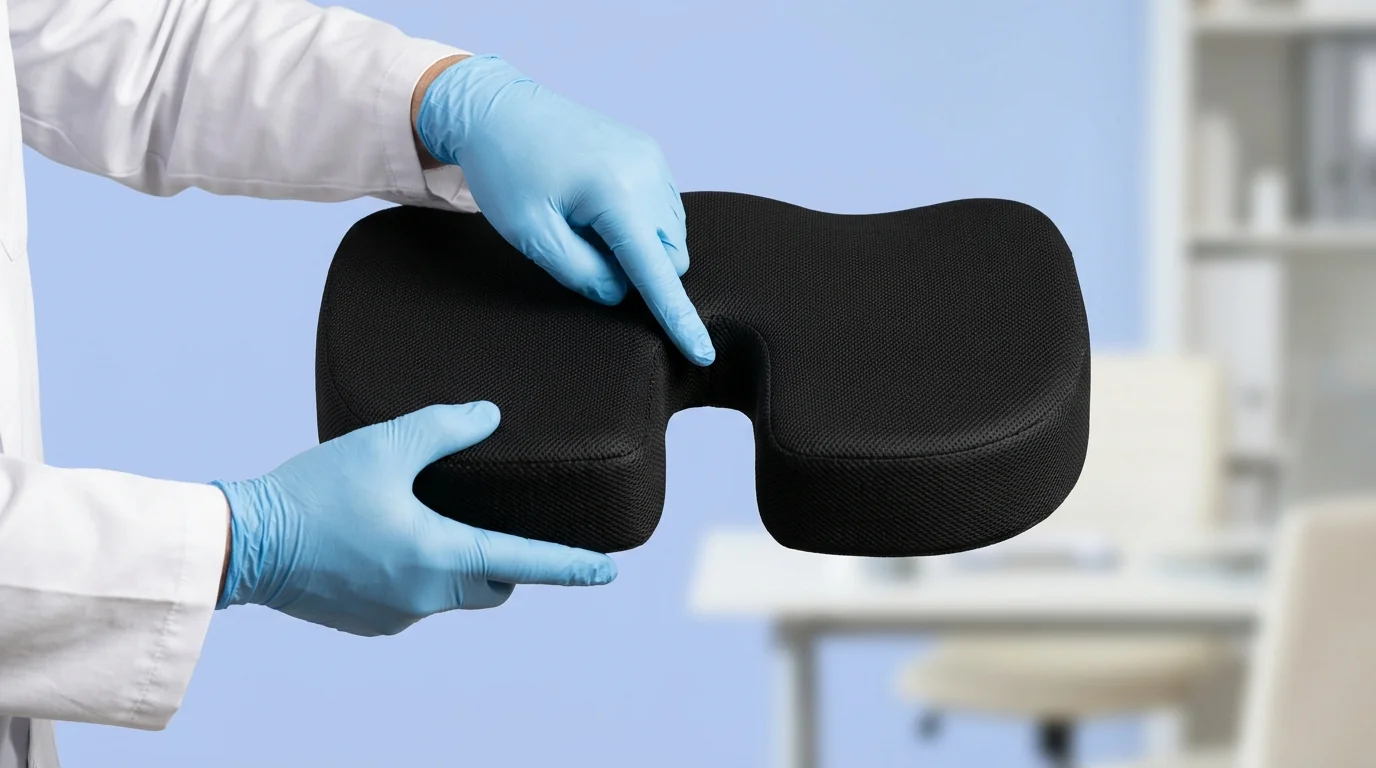 A coccyx cushion is not a generic comfort pillow. Its specific design—typically a U-shaped or keyhole cutout at the rear—is engineered to relieve direct pressure on the coccyx (tailbone). This makes it a targeted intervention for several distinct clinical scenarios.
- Coccydynia: This is the primary indication. Tailbone pain can result from trauma (e.g., a fall), repetitive strain, or complications from childbirth. Offloading the coccyx is fundamental to managing this pain.
- Post-Surgical Recovery: Patients recovering from procedures such as spinal surgery, pilonidal cyst removal, or hemorrhoidectomy benefit from reduced pressure on the sensitive perineal or sacral areas.
- Pressure Injury Prevention: For geriatric patients, wheelchair users, or any individual with limited mobility, prolonged sitting increases the risk of pressure ulcers (decubitus ulcers). A coccyx cushion helps distribute weight away from this high-risk bony prominence.
- General Prolonged Seating: In settings like dialysis units, chemotherapy infusion centres, or even long OPD waits, a quality cushion can significantly improve patient tolerance and comfort.
Core Design Principles and Material Science
The efficacy of a coccyx cushion is dictated by its design and material composition. Understanding these factors is critical for selecting a device that performs as intended.
The most important feature is the posterior cutout, which allows the coccyx to "float" without bearing the patient's weight. Beyond this, the choice of material is the next key differentiator.
- High-Density Memory Foam: This is often the material of choice for clinical applications. It conforms to the user's anatomy, providing excellent pressure distribution and support. Its viscoelastic properties ensure it slowly returns to its original shape, offering consistent performance over time. A well-constructed memory foam device, such as the Tynor Coccyx Cushion Seat, exemplifies this balance of contouring and support.
- Gel-Infused Foam: This variant incorporates gel to improve thermal conductivity. For patients seated for extended periods, heat and moisture build-up can compromise skin integrity. Gel-infused cushions help dissipate heat, keeping the skin surface cooler and drier.
- Standard Polyurethane Foam: While functional for short-term use, standard foam lacks the contouring and durability of memory foam. It is prone to "bottoming out" (compressing completely under load) more quickly, especially with heavier patients, reducing its therapeutic value over time.
- Cover Material: In a clinical setting, the cover is as important as the core. Look for covers that are removable, machine-washable, and made from a breathable fabric like mesh or a soft velour. A non-slip base is a non-negotiable safety feature to prevent the cushion from sliding on a chair or wheelchair.
Evaluation Criteria for Procurement and Clinical Use
When sourcing coccyx cushions for your facility, move beyond a simple feature list. Apply these operational and clinical criteria to ensure you select a product fit for purpose.
- Density and Weight Capacity: The foam's density must be appropriate for your patient population. A low-density cushion will fail under a bariatric patient, while an overly firm cushion may be uncomfortable for a frail, lightweight individual. Ensure the manufacturer specifies a weight range.
- Ergonomic Dimensions: The cushion must fit the intended chair. A cushion that is too wide for a wheelchair will bunch up, and one that is too small will fail to provide adequate support. Measure your standard seating (OPD chairs, wheelchairs, patient-side chairs) and select dimensions accordingly.
- Resilience and Durability: Evaluate the material's resistance to "compression set"—its ability to return to its original height after being loaded. A high-resilience foam will have a longer therapeutic lifespan, representing better long-term value for the facility.
- Hygiene and Infection Control: The cover must withstand institutional laundering protocols. Is it fluid-resistant? Is the zipper robust and designed to prevent fluid ingress? These factors are critical for multi-patient use.
- Patient Safety: A secure, anti-slip base is essential to prevent falls, particularly for patients with balance or mobility issues who are transferring on and off the seat.
Evaluating the full range of available coccyx seat cushion options against these criteria will help ensure your selection meets the rigorous demands of a clinical environment.
Integrating Cushions into Patient Care Protocols
Effective implementation goes beyond simply handing a cushion to a patient. It requires integration into your facility’s care pathways.
- Correct Placement and Education: Staff and patients must be trained on the correct orientation of the cushion—cutout always facing the back of the chair. Using it backwards renders it ineffective and may even increase pressure.
- Skin Integrity Monitoring: For at-risk patients, a cushion is an adjunct to, not a replacement for, standard pressure care protocols. Regular skin assessments by nursing staff remain essential.
- Cleaning and Disinfection: A clear protocol for cleaning covers between patients is mandatory. The foam core itself should generally be spot-cleaned according to manufacturer instructions, as saturating it can degrade the material and promote microbial growth.
Incorporating these devices properly can reduce the incidence of pressure-related complications and improve patient satisfaction, making them a valuable component of your facility's broader Physiotherapy and mobility programs.
Equip Your Facility Today
Ensuring patient comfort and preventing complications like pressure injuries are fundamental to quality care. Selecting the right support surfaces, including clinically appropriate coccyx cushions, is a critical part of that process.
Explore the curated selection of physiotherapy and patient comfort solutions on MedikaBazaar to find the appropriate equipment to meet the specific needs of your patients and clinicians.
FAQs

