

Labs
Procurement Checklist: Buying Rapid Dengue Tests 10 Pack for Sale
A procurement manager's guide to buying rapid dengue tests 10 pack for sale. Evaluate key specs, compare kits, and avoid common pitfalls for your hospital or lab.


As the monsoon season approaches, the demand for reliable diagnostics skyrockets. For any procurement head or senior lab technician, ensuring a consistent supply of accurate dengue tests is a critical operational task. This isn't about a single retail purchase; it's about equipping your entire facility—be it an OPD, a busy casualty ward, or a high-volume diagnostic lab—to handle the seasonal surge. When you're looking for rapid dengue tests 10 pack for sale, you need a clear, structured approach to evaluation. This guide provides just that: a series of checklists to ensure you make the right procurement decision for your institution.
Needs Assessment Checklist: Defining Your Dengue Test Kit Requirements
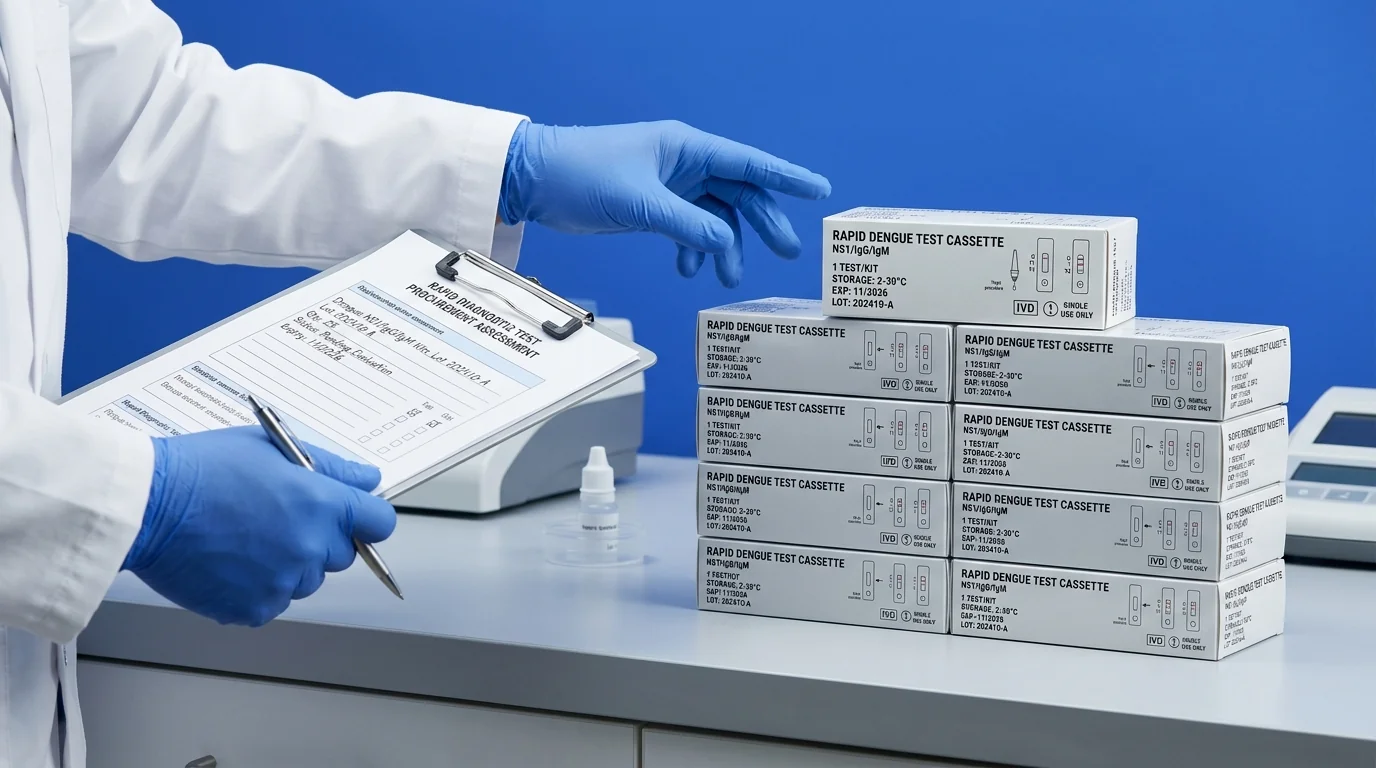 Before you even look at a product catalogue, clarify your internal requirements. The right choice for a small clinic is different from that for a multi-speciality hospital. Run through this list first.
- Facility Type & Workflow: Where will the test be performed?
- Hospital (ER/Casualty): Needs speed and simplicity for rapid triage. An NS1 antigen test is essential for early detection.
- Hospital (OPD/IPD): Requires a mix of antigen (early) and possibly antibody (later stage) tests.
- Standalone Diagnostic Lab: High throughput is key. Batch processing and consistency are paramount.
- Small Clinic: All-in-one kits with minimal external equipment are ideal.
- Projected Testing Volume: How many kits do you realistically need?
- Estimate your daily or weekly test count during peak dengue season (typically July-November).
- Factor in a buffer stock of 15-20% to avoid stockouts during unexpected spikes.
- This projection will determine whether a standard
dengue rapid card 10 tests purchaseis sufficient for a weekly order or if you need to arrange a larger monthly consignment. - Primary Use Case: What clinical question are you answering?
- Early Symptomatic Patients (Days 1-7): The priority is detecting the NS1 antigen. Your procurement search should focus on terms like
day 1 dengue rapid antigen card buy. This is the most common requirement for initial diagnosis. - Patients with Later Onset (After Day 5-7): Your focus may shift to IgG/IgM antibody tests to confirm recent or past infection.
- Screening vs. Confirmatory: Are these tests for initial screening, with positive results confirmed by ELISA or PCR? This impacts the acceptable sensitivity/specificity threshold.
Key Specifications for Evaluating a Dengue Rapid Test
Once your internal needs are clear, evaluate the technical specifications of the kits themselves. Look past the marketing and focus on the data sheet.
- Detection Method: The most critical factor. For early diagnosis, a
dengue card testthat detects the NS1 antigen is the standard. This allows for clinical intervention before severe symptoms like thrombocytopenia manifest. - Clinical Performance:
- Sensitivity: The test's ability to correctly identify positive cases. Look for sensitivity ratings above 95% for reliable screening.
- Specificity: The test's ability to correctly identify negative cases. High specificity (above 98-99%) is crucial to minimise false positives, which cause unnecessary patient anxiety and follow-up costs.
- Sample Type: Check compatibility with your lab's workflow. Most rapid cards work with:
- Serum
- Plasma
- Whole Blood A kit that accepts all three offers maximum flexibility for your phlebotomy and lab teams.
- Time to Result: In a busy OPD or emergency setting, every minute counts. Most rapid immunochromatographic tests provide results within 15-20 minutes. Anything longer can create bottlenecks.
- Regulatory & Quality Certifications: This is non-negotiable for institutional procurement.
- CDSCO Approval: The kit must be approved by the Central Drugs Standard Control Organisation for sale and use in India.
- ISO 13485:2016: This certification ensures the manufacturer adheres to stringent quality management systems for medical devices.
Comparison Criteria Beyond the Dengue Test Kit Price
A low per-test price is tempting, but it can hide operational costs and clinical risks. A smart procurement manager evaluates total value, not just the initial quote.
- Brand Reputation and Clinical Validation: Established brands have a track record of performance in real-world Indian clinical settings. When you decide to
buy J.Mitra Day 1 Dengue Rapid Card, you are opting for a brand with extensive clinical use and validation. The J.Mitra Day 1 Dengue Rapid Card - Pack of 10 Tests is a prime example of a reliable NS1 antigen test designed for early detection. - Shelf Life and Storage Conditions: A kit with a 24-month shelf life is operationally superior to one with 12 months, as it reduces wastage due to expiry. Also, confirm storage requirements—most kits require 2-30°C, making them suitable for storage outside of a cold chain, which simplifies logistics.
- Kit Components: Does the
dengue test kitcome with everything needed per test? A complete kit should include the test device, assay buffer, sample applicator/dropper, and a package insert. Sourcing buffers or droppers separately adds complexity and cost. - Packaging and Lot Traceability: For institutional use, each box must be clearly marked with the lot number and expiry date. This is essential for inventory management (first-in, first-out) and for any potential batch recall. The 10-pack format is convenient for distribution to smaller departments or clinics from a central store.
Supplier Evaluation Checklist for Your Procurement
The right product is useless without a reliable supplier. Before finalising your purchase, vet your B2B platform or vendor against these operational criteria.
- Supply Chain Reliability: Can the supplier guarantee consistent stock, especially during peak season? Ask about their inventory levels and lead times for delivery to your location. A dependable supplier is crucial for maintaining an uninterrupted
dengue rapid testservice. - Pan-India Logistics: Do they have a robust logistics network capable of reaching your facility, whether it's in a metro city or a Tier-3 town? Check their pincode serviceability.
- GST Compliance and Documentation: Ensure the supplier provides proper, GST-compliant invoices for every order. Clean paperwork is essential for your finance and audit teams.
- Product Authenticity: Does the supplier source directly from manufacturers or their authorised distributors? This is the only way to guarantee you are not purchasing counterfeit or poorly stored products. For a specialised product like a Dengue rapid card, authenticity is directly linked to patient safety.
Common Procurement Pitfalls to Avoid
We've all seen these mistakes happen. A quick review can save significant time and resources down the line.
- Focusing Solely on Cost: The clinical and reputational damage from a single missed diagnosis due to a low-quality kit far outweighs any initial savings. Always balance the
dengue rapid test kit 10 tests pricewith its documented sensitivity and specificity. - Ignoring Expiry Dates on Bulk Orders: Ordering a massive quantity to get a volume discount is a false economy if half the stock expires on the shelf. Align your order size with your projected consumption rate and the kit's shelf life.
- Failing to Plan for Seasonal Surges: Waiting until the first wave of cases arrives to place your order is a recipe for stockouts. Proactive procurement based on historical data is essential.
- Overlooking Staff Training: Even the best kit can yield poor results if not used correctly. Ensure your clinical staff are familiar with the specific procedure for the brand you procure, including sample volume and reading time.
Why Source Your Dengue Kits from MedikaBazaar?
Navigating the procurement process requires a partner who understands the operational realities of healthcare. MedikaBazaar is built to address the specific needs of institutional buyers.
- Verified Products from Trusted Brands: We list products from reputable manufacturers like J. Mitra, ensuring you receive authentic, CDSCO-approved kits. You can find the
j.mitra dengue card onlinewith the assurance of quality. - Pan-India Reach: Our logistics network serves over 20,000 pincodes, ensuring timely and reliable delivery to your hospital, lab, or clinic, no matter the location.
- Transparent and Competitive B2B Pricing: We provide a clear
dengue test kit pricestructure, with built-in advantages for bulk purchases, helping you manage your budget effectively without compromising on quality. - Simplified Procurement: Our digital platform allows you to place orders, track shipments, and manage invoices all in one place, freeing up your team's time for more critical tasks.
Equip Your Lab for Peak Season
Don't wait for the seasonal rush to test your supply chain. Proactive and well-researched procurement is key to uninterrupted patient care. By using these checklists, you can confidently select and source the right dengue rapid tests for your facility's specific needs.
Explore our range of CDSCO-approved dengue diagnostic kits on MedikaBazaar and ensure your facility is prepared for the season ahead.
FAQs

