

Dentist
Biodentine: A Clinical and Operational Overview for Dental Practices
An authoritative guide for clinicians on Biodentine, covering its composition, clinical applications, handling protocols, and comparison with other dental materials.


In modern restorative dentistry and endodontics, the choice of material is as critical as the technique itself. For clinicians and procurement heads focused on predictable outcomes and pulp vitality, bioactive materials represent a significant step forward. Among these, Biodentine has established itself as a versatile and reliable dentin substitute. This guide provides a direct, operational overview of its composition, clinical indications, and best practices for integration into your facility's workflow.
Understanding Biodentine: Composition and Mechanism of Action
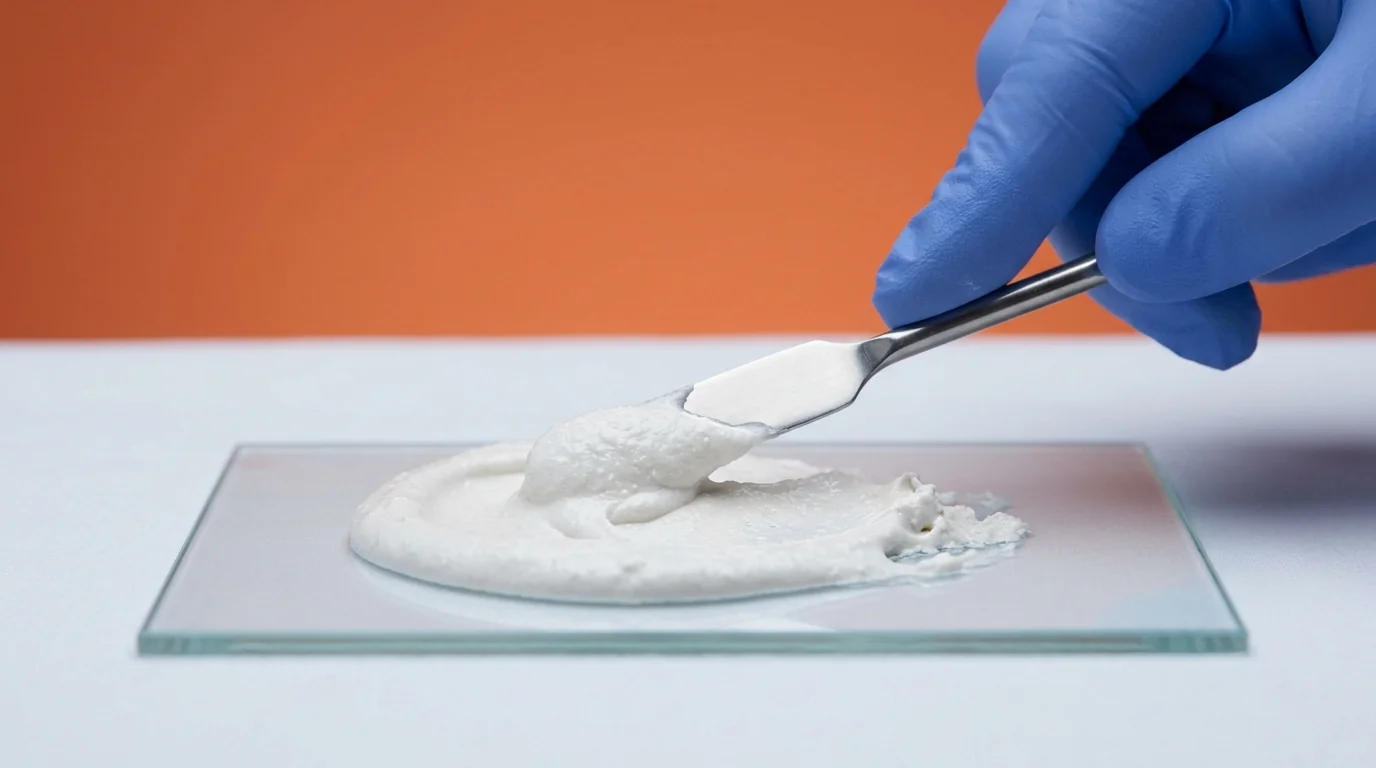 At its core, Biodentine is a calcium silicate-based cement designed to mimic natural dentin. Its formulation is engineered for biocompatibility and bioactivity, meaning it not only replaces damaged dentin but also actively encourages pulp tissue to heal.
The material consists of a powder and a liquid, which are mixed to initiate the setting reaction.
- Powder: The primary component is high-purity tricalcium silicate, which is the main reactive element. It also contains dicalcium silicate, calcium carbonate as a filler, and zirconium oxide, which provides the necessary radiopacity for clear identification on radiographs.
- Liquid: The liquid component is an aqueous solution of calcium chloride, which acts as a setting accelerator, along with a water-reducing agent to achieve the right consistency without excess water.
When mixed, a hydration reaction occurs, forming a calcium silicate hydrate gel (CSH) and calcium hydroxide. This process is clinically significant for two reasons: it creates a high-alkaline environment (pH ~12.5) that is inherently antibacterial, and it promotes the formation of a tertiary dentin bridge when placed in direct contact with pulp tissue. This ability to stimulate natural tissue repair is what sets it apart from inert restorative materials.
Key Clinical Indications for Biodentine
The unique properties of Biodentine allow for its use across a wide spectrum of clinical scenarios, from routine restorative work to complex endodontic challenges. Its versatility can help streamline material inventory for a practice.
- Direct and Indirect Pulp Capping: As a pulp capping agent, its primary function is to preserve pulp vitality. It forms a tight, protective seal that prevents bacterial ingress and stimulates reparative dentin formation.
- Pulpotomies in Primary Teeth: In pediatric dentistry, it serves as an excellent base material following the removal of coronal pulp, demonstrating high success rates in maintaining the vitality of the remaining radicular pulp.
- Perforation Repair: Whether iatrogenic or pathological, root or furcation perforations require a biocompatible material that provides an immediate and durable seal. Biodentine's ability to set in a moist environment makes it highly effective for these challenging repairs.
- Apexification and Apexogenesis: For immature permanent teeth with open apices, it can be used to create an apical plug (apexification) or encourage continued root development (apexogenesis) by providing a scaffold for hard tissue formation.
- Deep Cavity Management: In cases of deep caries, it functions as a dentin substitute, replacing the entire volume of lost dentin. A material like Septodont Biodentine™ can be placed as a base, over which a final composite restoration is bonded, often in the same visit.
- Root-End Filling: During endodontic microsurgery, it is used as a retrograde filling material to seal the root canal apex, preventing bacterial leakage from the canal system into the periapical tissues.
Operational Comparison: Biodentine vs. MTA and Glass Ionomer Cements
When evaluating materials, a direct comparison of their operational characteristics is essential for procurement and clinical decisions.
Biodentine vs. Mineral Trioxide Aggregate (MTA) Historically, MTA has been the gold standard for many of these applications. However, Biodentine offers several practical advantages.
- Setting Time: Biodentine has an initial setting time of approximately 10-12 minutes, a significant improvement over many traditional MTA formulations which can take several hours to set. This allows for the placement of a final restoration in the same appointment, improving clinic efficiency.
- Handling: It has a putty-like, non-slumping consistency that is generally considered easier to handle and place than the often granular or "sandy" feel of MTA.
- Discoloration: Unlike older, grey MTA formulations containing bismuth oxide, Biodentine uses zirconium oxide as its radiopacifier, significantly reducing the risk of tooth discoloration.
Biodentine vs. Glass Ionomer Cements (GIC) While GICs are excellent for certain applications, they lack the bioactivity of Biodentine.
- Pulp Interaction: GICs do not stimulate reparative dentin formation in the same way. Biodentine’s calcium hydroxide release actively promotes healing.
- Sealing Ability: While GICs bond chemically to tooth structure, Biodentine creates a seal through micromechanical adaptation and stimulates mineralization at the tooth-material interface, reducing the risk of microleakage over time.
For any facility evaluating its options, a thorough review of the available root repair materials is a worthwhile exercise to match material properties to specific clinical needs.
Evaluation Criteria for Your Practice
Integrating any new material requires a systematic evaluation from both a clinical and operational perspective.
- Clinical Caseload Analysis: Review your practice's procedure mix. Do you perform a high volume of vital pulp therapy, pediatric procedures, or complex endodontic retreatments? A strong "yes" here indicates a clear need for a bioactive material.
- Protocol Adherence and Training: The success of Biodentine is technique-sensitive, particularly regarding the mixing protocol. Ensure your clinical team is trained on the precise powder-to-liquid ratio and trituration process specified by the manufacturer. Deviations will compromise the material's physical properties.
- Inventory Management and Storage: Biodentine is typically supplied in single-use capsules and pipettes. This format ensures consistency and prevents contamination but requires careful inventory tracking. Store the material in a dry environment as humidity can affect the powder. Procuring all your Dental supplies from a single, reliable platform can simplify this process.
- Workflow Integration: Consider how the ~12-minute setting time fits into your appointment scheduling. This can be a significant time-saver, eliminating the need for a second appointment to place the final restoration.
- Regulatory Compliance: Always verify that the product sourced carries the necessary regulatory approvals for use in India, such as CDSCO clearance and adherence to manufacturing standards like ISO 13485.
Best Practices for Handling and Application
Achieving predictable clinical success with Biodentine hinges on meticulous adherence to the recommended handling protocol.
- Preparation: Before opening, gently tap the capsule on a hard surface to loosen the powder. Twist and remove the cap.
- Liquid Dispensing: Hold the single-dose liquid pipette vertically and dispense the specified number of drops (typically 5 for the Septodont capsule) into the capsule.
- Mixing: Immediately place the capsule into a triturator (amalgamator) and mix for the recommended time, usually 30 seconds. The correct consistency is smooth and putty-like.
- Application: Collect the material from the capsule using a sterile instrument, such as an amalgam carrier or a Messing gun. The material has a working time of a few minutes, so placement should be efficient.
- Condensation: Gently condense the material into the cavity or defect using a plugger. The goal is adaptation, not heavy compression.
- Setting and Final Restoration: The material will achieve its initial set in about 10-12 minutes. Once set, it is durable enough to serve as a temporary restoration or as a base for a permanent restoration (e.g., composite resin) to be placed immediately, following manufacturer guidelines.
Equip Your Facility Today
Standardizing your practice with advanced bioactive materials is a key step towards improving clinical outcomes and operational efficiency. By understanding the properties and protocols of materials like Biodentine, you can ensure your team is equipped to handle a wide range of restorative and endodontic challenges with confidence.
FAQs

