

Hospitals
Beyond the Basics: Selecting the Right IV Stand for Clinical and Operational Needs
A practical guide for procurement managers on selecting the right IV stand. Learn about material, stability, load capacity, and operational factors.


The humble IV stand is a fixture in every clinical setting, from the general ward to the most advanced operation theatre. It's so ubiquitous that it's often treated as a commodity during procurement. However, making a rushed or uninformed choice on this piece of equipment can directly impact patient safety, nursing efficiency, and the operational lifespan of high-value assets like infusion pumps.
As procurement heads and senior clinicians, we know that the devil is in the details. A stand that tips easily, has seizing castors, or a failing height-adjustment lock is not just an inconvenience; it's a clinical hazard. This guide moves beyond the basics to provide a peer-to-peer framework for evaluating and selecting the right IV stand for the specific demands of your Indian healthcare facility.
Core Construction: A Deep Dive into Materials
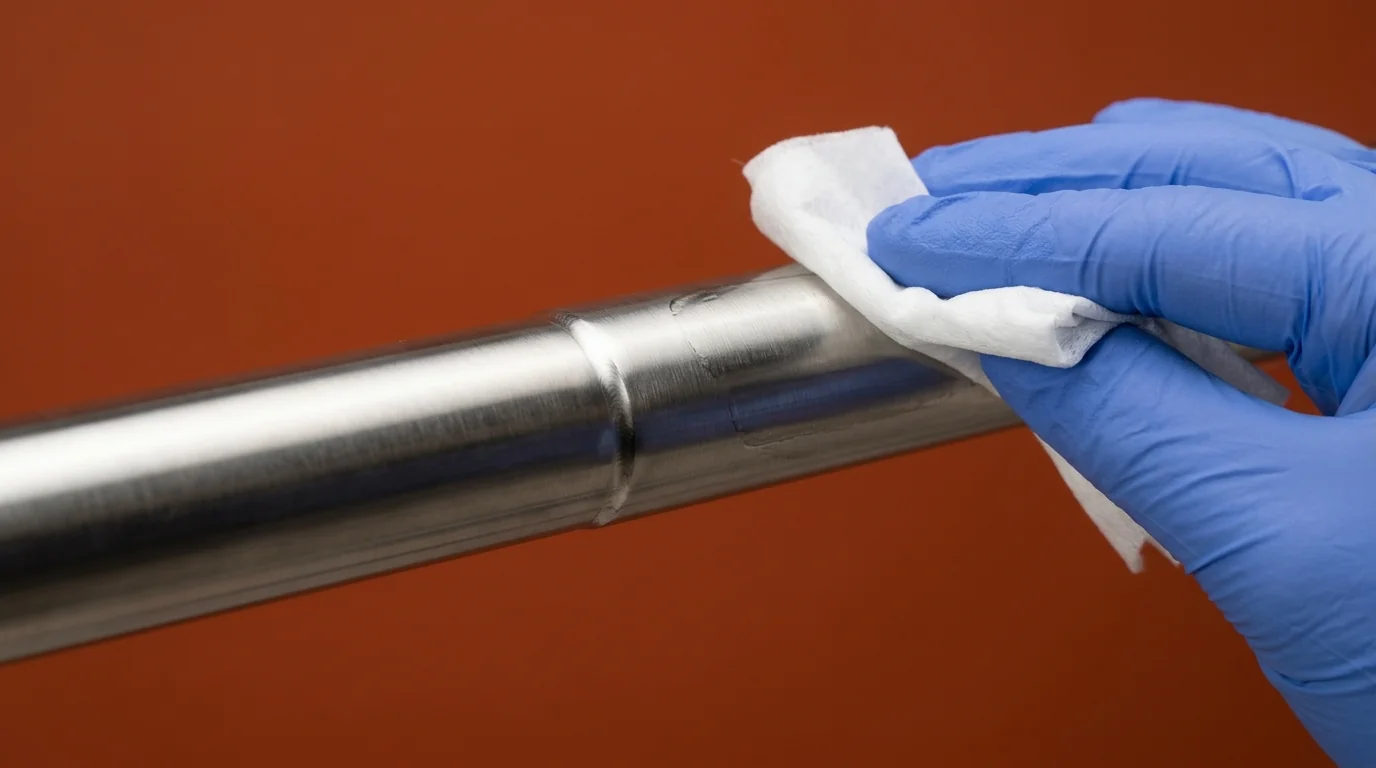 The material composition of an IV stand dictates its durability, infection control compliance, and long-term performance. The choice is not merely aesthetic; it's a critical operational decision.
- Stainless Steel (SS): This remains the gold standard for most clinical applications, particularly in high-acuity environments. The key is in the grade.
- SS 304: This grade contains higher levels of chromium and nickel, offering superior corrosion resistance. It is the mandatory choice for Operation Theatres, ICUs, and sterile processing departments where frequent exposure to harsh chemical disinfectants is standard protocol. It represents a higher initial investment but provides a significantly longer, trouble-free service life.
- SS 202: A more common and less expensive alternative, SS 202 is suitable for general wards and OPDs. However, it has lower corrosion resistance and may show signs of rusting over time, especially at weld joints, if not maintained meticulously.
- Mild Steel (MS) with Epoxy Powder Coating: These stands offer a lower procurement cost, making them a frequent choice for facilities with budget constraints. The epoxy coating provides a protective barrier, but its integrity is paramount. Once chipped or scratched—a common occurrence in a high-traffic environment—the underlying mild steel is exposed to moisture and cleaning agents, leading to rapid corrosion. These are best suited for low-dependency areas with less frequent, less aggressive cleaning cycles.
- Aluminium: While lightweight and corrosion-resistant, aluminium stands typically have a lower load-bearing capacity. Their use in a hospital setting is generally limited to specific applications like patient transport or home healthcare where portability is the primary concern.
The Anatomy of an Effective IV Stand: A Component-by-Component Evaluation
Beyond the primary material, the design and quality of each component determine the stand's stability, usability, and safety profile.
The Base: The Foundation of Safety
The base is the single most important factor in preventing catastrophic tipping, especially when loaded with expensive infusion pumps.
- Leg Count and Design: A five-legged base provides the optimal balance of stability and a manageable footprint. It is significantly more stable than a four-legged design and less cumbersome than a six-legged one. For high-dependency areas, a low-profile, wide-diameter base is non-negotiable. A well-designed base, like that found on the
Elite Med India SS 5-Legged IV Stand, is engineered to lower the center of gravity, drastically reducing tip-over risk. - Weighting: An unweighted, hollow base is inadequate for anything beyond a single, simple gravity infusion. For any scenario involving one or more electronic pumps, a weighted base is essential. These bases are typically made of cast iron or are encased with a high-density polymer, providing the necessary ballast to keep the stand upright even when fully loaded and in motion.
The Pole and Hooks: Functionality Under Load
- Telescoping Mechanism: The pole must adjust smoothly and lock securely at any height. A faulty locking mechanism can lead to a sudden drop, damaging pumps or disrupting an infusion. A simple, reliable twist-lock or friction-grip collar is preferable to complex systems that can fail.
- Hook Configuration: A minimum of two hooks is standard, but a four-hook configuration (often called a "ram's horn" or pigtail design) offers far greater versatility. This allows for multiple infusions to run simultaneously without crowding. The pigtail design is also inherently more secure, preventing IV bags from being accidentally dislodged.
The Castors: The Key to Mobility
Poor quality castors are a primary point of failure and a source of constant frustration for clinical staff.
- Diameter and Material: Look for castors with a diameter of at least 50mm (2 inches). Larger wheels navigate ward thresholds, elevator gaps, and uneven surfaces with greater ease. Thermoplastic Rubber (TPR) wheels are preferable to hard nylon as they are quieter, absorb more shock, and are less likely to mark flooring.
- Locking Brakes: At least two of the castors must have easily accessible, reliable locking brakes. This is a fundamental safety feature to prevent the stand from rolling away when a patient is being attended to or during a transfer. Many dependable models, including the widely used
Elite Med India IV Pole, incorporate this essential safety feature for ward mobility.
Matching the IV Stand to the Clinical Environment
A one-size-fits-all approach to IV stand procurement is inefficient and potentially unsafe. The specifications must align with the demands of the care area.
- ICU / HDU / OT: Maximum stability and sterility are the priorities.
- Specification: SS 304 construction, heavy-weighted five or six-legged base, high load capacity (>15 kg), four-hook configuration, and large-diameter, lockable, anti-static castors (for OTs).
- General Wards / Private Rooms: Mobility and ease of use are key.
- Specification: SS 202 or high-quality MS epoxy coated, five-legged base (can be unweighted or lightly weighted for single infusions), two or four hooks, and 50mm lockable castors.
- Emergency / Casualty: Durability and rapid mobility are crucial.
- Specification: A robust SS frame with a weighted, wide base to prevent tipping during rapid transit. Large-diameter, durable castors are a must.
- OPD / Day Care / Phlebotomy: Basic functionality for short-term use.
- Specification: A lightweight, easily maneuverable stand with a simple four-legged base and two hooks is often sufficient for these low-acuity, high-turnover environments.
Operational Lifecycle: Maintenance and Safety Protocols
Proper maintenance extends the life of the asset and ensures ongoing safety.
- Regular Inspection: Implement a simple checklist for nursing or biomedical staff.
- Daily: Visual check for cleanliness and integrity.
- Weekly: Test castor locks and smooth rolling. Check the security of the height-adjustment lock under a light load.
- Quarterly: Inspect all weld joints for signs of stress or corrosion. Tighten any loose fittings. Lubricate castor swivels if required.
- Cleaning and Disinfection: Your choice of material directly impacts your infection control protocol. SS 304 stands can withstand a broad spectrum of hospital-grade disinfectants. Epoxy-coated stands require more care, as harsh chemicals can degrade the coating over time. Ensure protocols specify cleaning the entire assembly, including the underside of the base and the castors.
- Load Management: Overloading is the primary cause of tipping incidents. Staff must be trained to understand the stand's load capacity and to distribute the weight of pumps and fluid bags as evenly as possible. Ensuring you have access to a full catalogue of IV stands with clearly defined specifications allows you to procure the right-capacity model for each department from the outset.
Equip Your Facility with the Right IV Stands
Selecting the correct IV stand is a small but significant decision that reflects a facility's commitment to safety and operational efficiency. By moving beyond a simple price-point analysis and focusing on material science, component quality, and application-specific needs, you ensure that this fundamental piece of equipment is a reliable asset, not a recurring liability.
For a detailed look at specifications across a range of models suitable for different clinical settings, explore the curated selection of IV stands on MedikaBazaar.
FAQs

