
Procurement Guide: Selecting a Medical ECG Machine Supplier

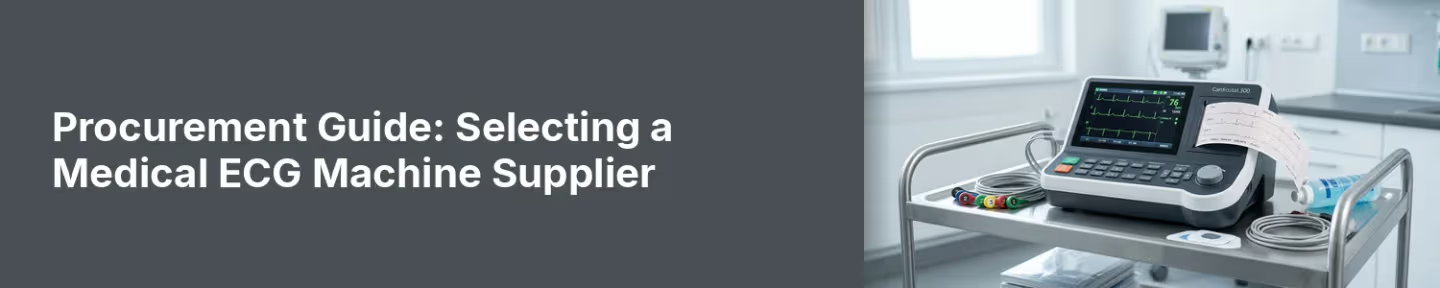
Let's cut to the chase. You're tasked with procuring an ecg machine, or several, for your facility. The market is flooded with options, and your clinicians need a reliable, accurate device that integrates smoothly into their workflow, whether in a busy cardiology OPD or a rural health camp. Making the wrong choice means dealing with downtime, inaccurate readings, and frustrated staff.
This guide isn't about marketing fluff; it's a procurement checklist. We'll walk through the exact operational and clinical criteria to assess before you engage any medical ecg machine supplier.
First, A Needs-Assessment Checklist
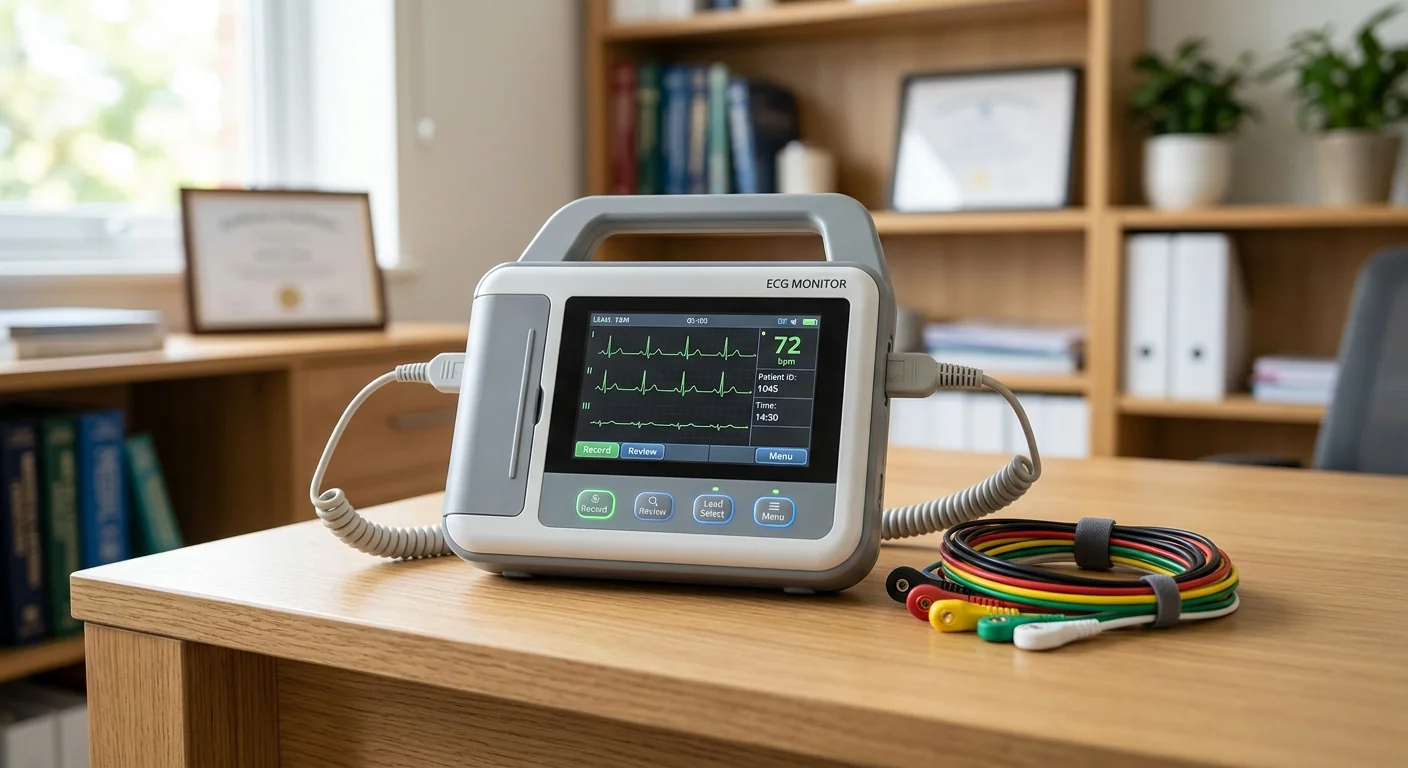 Before you even look at a single product spec sheet, clarify your exact requirements. A machine for a high-volume ICU has different needs than one for a small dental practice doing pre-procedural checks.
- Intended Use Case: Where will the machine be used primarily?
- High-Volume Hospital: (Cardiology, ICU, Casualty) - Needs durability, fast acquisition, and network connectivity.
- OPD/Clinic: (General Practice, Polyclinic) - Balance of features, ease of use for varied staff, and good printout quality.
- Mobile Use: (Health Camps, Home Visits, Ambulance) - Must be a lightweight, battery-operated
portable ecg machine. - Diagnostic Lab: Requires high accuracy, interpretation software, and robust data management.
- Patient Throughput: How many ECGs will be performed daily?
- Low Volume (<10/day): A basic, reliable single or 3-channel machine may suffice.
- Medium Volume (10-50/day): Look for faster acquisition times and machines that use readily available paper.
- High Volume (50+/day): Prioritise 12-channel machines with advanced data management, EMR integration, and minimal consumable changeover time.
- User Profile: Who is the primary operator?
- Cardiology Technicians: Can handle complex machines with advanced interpretation features.
- Nurses/General Clinicians: Require intuitive interfaces, clear on-screen instructions, and automated interpretation suggestions.
- Data & Connectivity: How do you need to store and share the reports?
- Print-Only: Standard for many smaller setups. Ensure thermal paper is easy to source.
- Internal Storage: Does the machine need to store a number of readings locally?
- EMR/HIS Integration: A critical need for modern hospitals. Check for DICOM/HL7 compatibility and available connectivity options (LAN, Wi-Fi).
Key Specifications to Evaluate
Once you've defined your needs, use this framework to compare models. Don't just focus on the ecg machine price; the technical details determine clinical utility and long-term cost.
- Number of Channels: This is the most fundamental spec.
- Single-Channel: Basic, often handheld. Suitable for quick rhythm strip checks, but not for full diagnostic purposes.
- 3 Channel ECG Machine: A common and versatile choice. It records 3 leads simultaneously and prints them sequentially. Good for clinics and general wards.
- 6-Channel: Records 6 leads at once. Offers a more comprehensive view and faster recording than a 3-channel.
- 12-Channel: The gold standard for diagnostics. Records all 12 leads simultaneously, providing a complete picture of the heart's electrical activity. Essential for cardiology departments and critical care.
- Interpretation Software: Does the machine include an analysis and interpretation algorithm?
- With Interpretation: Provides an automated preliminary diagnosis (e.g., "Sinus Tachycardia," "Possible LVH"). This is a useful screening tool for non-specialists but should always be verified by a clinician.
- Without Interpretation: A straightforward acquisition device that provides the raw waveform for a specialist to interpret. Often preferred by cardiologists who trust their own analysis over an algorithm.
- Display:
- Screen Size & Type: Is it a small LCD for settings or a larger colour touchscreen that can preview all 12 leads before printing? A good preview screen reduces paper waste from artefact-filled recordings.
- Resolution: A clear, high-resolution screen makes it easier to spot subtle waveform abnormalities.
- Power & Portability:
- Battery: For any
portable ecg machine for clinicor mobile use, check the battery type (Li-ion is standard), operating time on a full charge, and recharge time. - Weight & Dimensions: Critical for portability. A machine for a health camp needs to be light and compact. For a hospital cart, this is less of a concern.
- Consumables & Accessories:
- ECG Paper: What size and type of thermal paper does it use? Is it a standard, easily sourced size, or a proprietary one that locks you into a single supplier? This significantly impacts long-term operational costs.
- Leads & Electrodes: Are the patient cables durable? Are the connectors a standard type (e.g., banana, snap, grabber)?
A solid option for many clinics and smaller hospitals looking to buy 3 channel ecg machine online is the Technocare 3 Channel ECG Machine - (Tm-302). It balances essential features, a clear display, and built-in interpretation, making it a reliable workhorse for routine diagnostics. Inquiring about the technocare 3 channel ecg machine price is a good starting point for budget planning.
Supplier Evaluation Checklist: Beyond the Brochure
Choosing the right medical ecg machine supplier is as important as choosing the right machine. A low upfront cost from an unreliable vendor can lead to significant long-term problems.
- Regulatory Compliance:
- Are their products CE marked and/or BIS certified?
- Can they provide documentation of quality management systems like ISO 13485?
- After-Sales Support & Service:
- What is the standard warranty period?
- Do they offer Annual Maintenance Contracts (AMCs)? What are the terms?
- What is their service network reach in your location? What is the guaranteed engineer response time?
- Is calibration included in the service? How often is it required?
- Logistics & Supply Chain:
- Do they maintain stock of the machine and its specific consumables (paper, electrodes)?
- What are their typical delivery timelines for bulk orders?
- Can they manage delivery to multiple locations if you are part of a hospital group?
- Training & Installation:
- Is on-site installation and user training included with the purchase?
- Do they provide clear, comprehensive user and service manuals?
Common Procurement Pitfalls to Avoid
We've all been there. Here are some common traps to avoid when evaluating a technocare ecg equipment sale or any other brand.
- Ignoring Total Cost of Ownership (TCO): A low initial
tm-302 ecg machine costcan be deceptive. Factor in the price of proprietary thermal paper, replacement lead sets, and AMC costs over a 5-year period. A machine that uses standard, low-cost paper may be cheaper in the long run. - Over-specifying for the Use Case: Buying a 12-channel, EMR-integrated machine for a small clinic that only needs to print basic rhythm strips is a waste of capital. Match the machine to the actual clinical need.
- Under-specifying for Future Needs: If your facility plans to implement an EMR system in the next year, procuring a machine without any connectivity options is short-sighted.
- Neglecting User Feedback: Involve the lead nursing staff or senior technicians who will be using the machine daily. They can provide invaluable feedback on usability that you won't find on a spec sheet.
Why Procure from MedikaBazaar?
Navigating the supplier landscape can be complex. Working with a platform like MedikaBazaar simplifies the process for institutional buyers. We understand the B2B procurement cycle.
- Transparent Pricing: Easily compare the
ecg machine priceacross multiple brands and models in one place. We offer competitive B2B pricing for bulk and repeat orders. - Verified Suppliers: We vet our suppliers to ensure they meet quality and regulatory standards, saving you the time and effort of background checks.
- Streamlined Logistics: From order placement to delivery, our system is designed for B2B procurement. We manage the supply chain so you can focus on patient care.
- Wide Selection: Access a comprehensive catalogue, from basic single-channel devices to advanced 12-channel diagnostic stations, ensuring you find the perfect fit for your facility's specific needs.
Equip Your Facility Today
Choosing the right ECG equipment is a critical decision that impacts both clinical outcomes and operational efficiency. By following a structured evaluation process, you can ensure your investment is sound, reliable, and perfectly suited to your facility's needs.
For a detailed look at specifications and to explore your procurement options, browse the wide range of ECG machines available on MedikaBazaar.
Related Products
Fastest by 1st Jul
COD
Niscomed Three Channel ECG Holter Machine
₹34,580
₹62,24444% OFF
₹32,160 with NISCO7
Fastest by 30th Jun
COD
Korrida 6 Channel ECG Machine
₹38,740
₹37,740 with MBFIRST
Fastest by 30th Jun
COD
Korrida Three Channel ECG Holter Machine
₹38,740
₹43,95612% OFF
₹37,740 with MBFIRST
Fastest by 1st Jul
COD
Philips 12 Channel Pagewriter TC10 ECG Machine
₹1,47,978
₹1,77,57417% OFF
₹1,46,978 with MBFIRST
Fastest by 30th Jun
COD
Dr Cardio 12-Channel Portable ECG Machine
₹28,957
₹34,74817% OFF
₹27,957 with MBFIRST


FAQs
DOWNLOAD APP
HELP US IMPROVE

Phone: 079-480-58625

Email: info@medikabazaar.com
SOCIAL MEDIA
HELP US IMPROVE
DOWNLOAD APP
SOCIAL MEDIA