
MCP Oxygen Regulator: The Ultimate Procurement Guide for Medical Facilities


When it comes to patient care, the reliability of your medical oxygen equipment is non-negotiable. For procurement managers and hospital administrators, the mcp oxygen regulator price is a critical starting point, but it's only one piece of a much larger puzzle. Making a strategic purchase decision requires a comprehensive evaluation of your facility's needs, the device's technical specifications, and your supplier's capabilities. This guide is designed to walk you through that entire process, ensuring you invest in equipment that delivers on safety, accuracy, and long-term value.
This prescriptive, checklist-heavy guide will provide the framework you need to move from initial price inquiry to confident purchase, ensuring every rupee spent is a smart investment in patient outcomes and operational efficiency.
The Pre-Purchase Needs Assessment Checklist
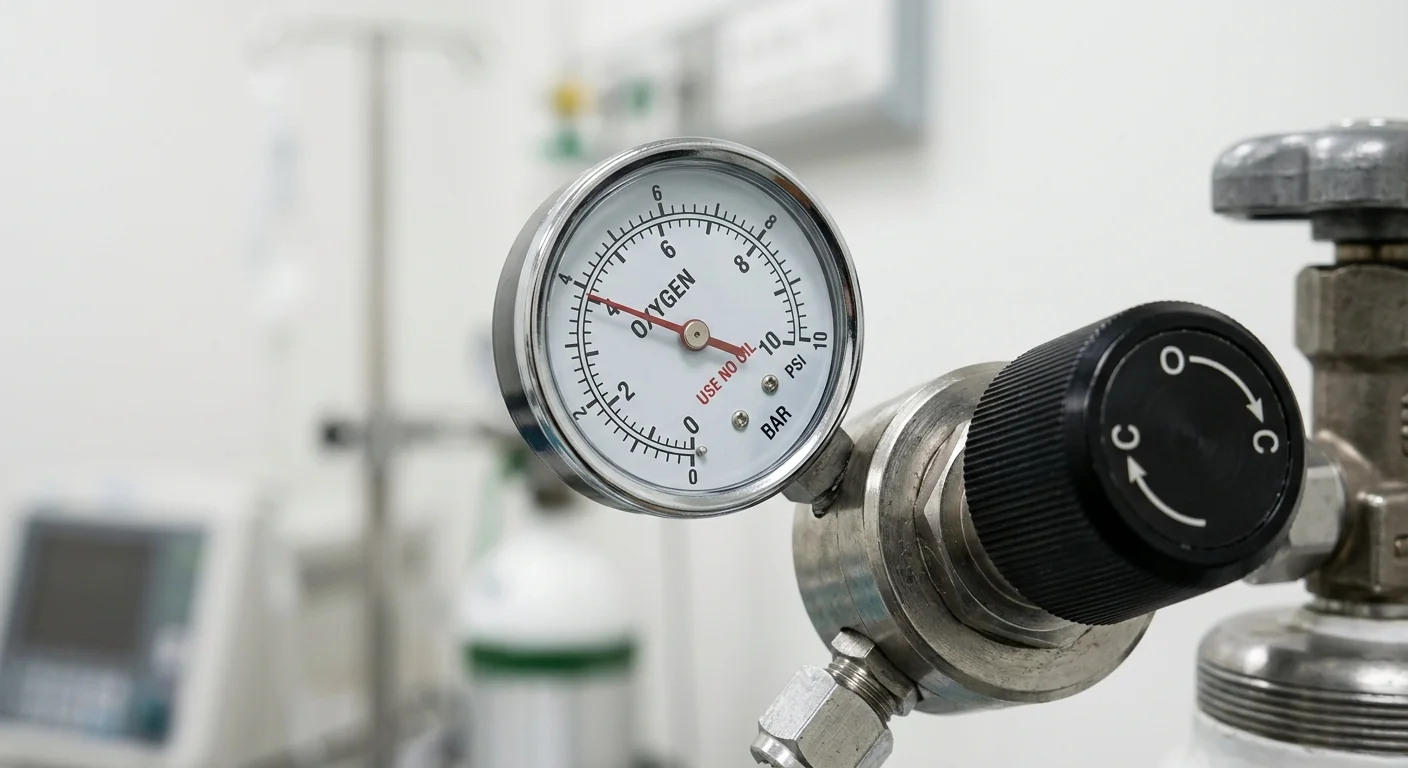 Before you even start comparing models or prices, a thorough internal needs assessment is crucial. This step ensures you procure a device that is perfectly suited to your clinical environment, preventing overspending on unnecessary features or, worse, underspending on essential ones.
☐ Assess Your Facility's Volume Requirements
The frequency of use directly impacts the type of regulator you need. * Low-Volume Use (e.g., small clinics, dental offices, home care): Durability and ease of use are key, but the device may not need to withstand constant, 24/7 operation. * Medium-Volume Use (e.g., general hospital wards, post-operative care units): The regulator must be robust, reliable, and easy for various staff members to operate. Consistency is paramount. * High-Volume Use (e.g., emergency rooms, ICUs, large multi-speciality hospitals): The highest standards of durability, precision, and material quality are required. These devices must perform flawlessly under continuous, high-stress conditions.
☐ Define the Clinical Use Case
Where and how will the regulator be used? * Emergency & Critical Care: Requires a regulator with a highly accurate fine adjustment valve for precise titration of oxygen for critically ill patients. * General Wards: Standard, reliable regulators that are easy to operate and clean are sufficient. * Neonatal & Paediatric Care: Demands regulators capable of delivering very low and precise flow rates. * Ambulatory & Transport: Portability, lightweight design, and durability are the most important factors.
☐ Check Compatibility with Existing Infrastructure
Ensure seamless integration with your current setup. * Oxygen Source: Is your primary source B-type or D-type cylinders? Or do you use a centralized pipeline? The regulator's inlet connection must match your oxygen source. * Cylinder Valve Type: Confirm if you use Pin Index or Bullnose (Type M) valve systems. An incompatible regulator is useless.
Evaluating Key Specifications Beyond the Price Tag
A lower upfront price can be tempting, but it often hides long-term costs associated with poor performance or frequent replacement. A discerning procurement manager looks at the technical specifications that guarantee quality and safety.
Material and Build Quality
The core of the regulator, which handles high-pressure gas, should be made from chrome-plated brass for maximum safety and corrosion resistance. The outer body and flow meter tube are typically made from durable polycarbonate, which is crack-resistant and provides clear visibility of the flow rate.
Flow Rate Accuracy and a Fine Adjustment Valve
For clinical efficacy, precise control over the oxygen flow rate is essential. A fine adjustment oxygen flow meter for sale is not a luxury; it's a necessity in many settings. The regulator should offer a clearly calibrated range (e.g., 0-15 L/min) and maintain the set flow rate accurately without fluctuations. The presence of a rotameter provides an immediate visual confirmation of the flow, a critical feature for busy clinical staff.
Humidification System
Dry oxygen can irritate a patient's respiratory tract. An integrated humidifier bottle is a standard and essential feature. When evaluating the oxygen flow meter with humidifier bottle price, check the bottle's material (should be unbreakable polycarbonate), its capacity, and how easily it can be disassembled for cleaning and sterilization to prevent cross-contamination.
Certifications and Regulatory Compliance
This is a critical checkpoint for any medical device procurement. Ensure the device has relevant certifications like ISO 13485, which pertains to medical device quality management systems, and a CE mark, indicating conformity with health, safety, and environmental protection standards for products sold within the European Economic Area. These certifications are a guarantee of quality manufacturing and safety standards.
A Procurement Manager's Comparison Checklist
Once you have a clear understanding of your needs and the key technical specs, you can begin comparing specific models. The goal is to find the optimal balance of cost, quality, and functionality. When you want to buy mcp oxygen flow meter regulator, consider these factors to evaluate its true value.
- Total Cost of Ownership (TCO): Look beyond the initial purchase price. A well-built regulator may cost more upfront but will save money over time due to fewer repairs, less downtime, and a longer service life. Factor in the cost of consumables like humidifier bottles and potential repair costs.
- Ease of Use & Staff Training: The device should be intuitive. A complex regulator can lead to errors in a high-pressure clinical environment. Look for large, easy-to-read gauges and control knobs that are simple to adjust. A prime example that balances robust features with user-friendly design is the MCP Oxygen Flow Meter Fine Adjustment Valve regulator with Rota meter & Humidifier Bottle. Its clear markings and integrated system make it a reliable choice for diverse clinical settings.
- Warranty & After-Sales Support: What is the manufacturer's warranty period? A longer warranty indicates confidence in the product's quality. More importantly, what is the supplier's policy on support and returns?
Common Pitfalls in Medical Oxygen Equipment Purchase
A successful medical oxygen equipment purchase requires avoiding common mistakes that can lead to wasted budget and compromised patient care.
- Focusing Solely on the Upfront Price: This is the most common pitfall. A cheap regulator may be built with inferior materials, leading to leaks, inaccuracies, and a short lifespan, ultimately costing more in replacements and potential safety risks.
- Overlooking Certifications: Skipping due diligence on ISO or CE certifications can expose your facility and patients to substandard and unsafe equipment. Always demand documentation.
- Neglecting Compatibility: Ordering regulators that don't fit your existing oxygen cylinders is a costly and entirely avoidable logistical nightmare. Always double-check valve and inlet specifications.
- Ignoring the Broader Oxygen Ecosystem: Sometimes, the need for a regulator is part of a larger requirement. For facilities needing a continuous, self-generating oxygen supply for multiple patients without relying on cylinders, investing in an Oxygen Concentrator might be a more cost-effective long-term solution. Evaluating your total oxygen needs can lead to smarter, more systemic procurement decisions.
Why Procurement Teams Choose MedikaBazaar
Navigating the complexities of medical procurement requires a partner who understands the unique challenges of the healthcare industry. As a leading medical oxygen flow meter supplier, MedikaBazaar simplifies the entire process.
- Competitive B2B Pricing: We leverage our scale to offer the best possible mcp oxygen regulator price, with special pricing and contracts available for bulk purchases through our Value Purchase Organization (VPO).
- Assured Quality: We list products only from reputable and certified manufacturers, ensuring that every item on our platform meets stringent quality standards.
- Pan-India Supply Chain: Our robust logistics network ensures timely and reliable delivery to healthcare facilities in even the most remote corners of India.
- One-Stop Procurement Platform: From oxygen regulators and cylinders to sophisticated surgical instruments, you can consolidate all your medical supply needs on a single, easy-to-use digital platform, simplifying inventory management and accounting.
Related Products
Fastest by 1st Jun
COD
Niscomed Oxygen Concentrator 5L Dual-Flow
₹32,240
₹58,03244% OFF
₹29,984 with NISCO7
Fastest by 1st Jun
COD
Niscomed Oxygen Concentrator 5L Single-Flow
₹32,240
₹58,03244% OFF
₹29,984 with NISCO7
Fastest by 5th Jun
COD
Konsung Oxygen
₹49,500
₹48,500 with MBFIRST
Fastest by 3rd Jun
COD
Nareena Oxygen Concentrator
₹37,500
₹70,00046% OFF
₹36,500 with MBFIRST
Fastest by 4th Jun
COD
Korrida Oxygen Blender
₹50,440
₹57,00012% OFF
₹49,440 with MBFIRST


FAQs
SOCIAL MEDIA
DOWNLOAD APP
HELP US IMPROVE
SOCIAL MEDIA
DOWNLOAD APP