

Dentist
Evaluating Unicorn Denmart Dental Equipment: A Procurement Framework
A structured procurement guide for evaluating Unicorn Denmart dental equipment. Assess needs, compare specs like RVG sensors, and avoid common pitfalls.


As a procurement lead or senior clinician, selecting the right equipment is a decision with long-term clinical and operational consequences. When evaluating a major unicorn denmart dental equipment supplier, moving beyond a simple feature list to a structured assessment framework is critical for ensuring the equipment aligns with your facility's specific needs. This guide provides a peer-to-peer checklist for making an informed, operationally sound decision for your practice, clinic, or hospital dental department.
The goal is not just to acquire a new device, but to integrate a solution that enhances diagnostic accuracy, improves workflow efficiency, and delivers consistent performance over its entire lifecycle.
Initial Needs Assessment: A Pre-Procurement Checklist
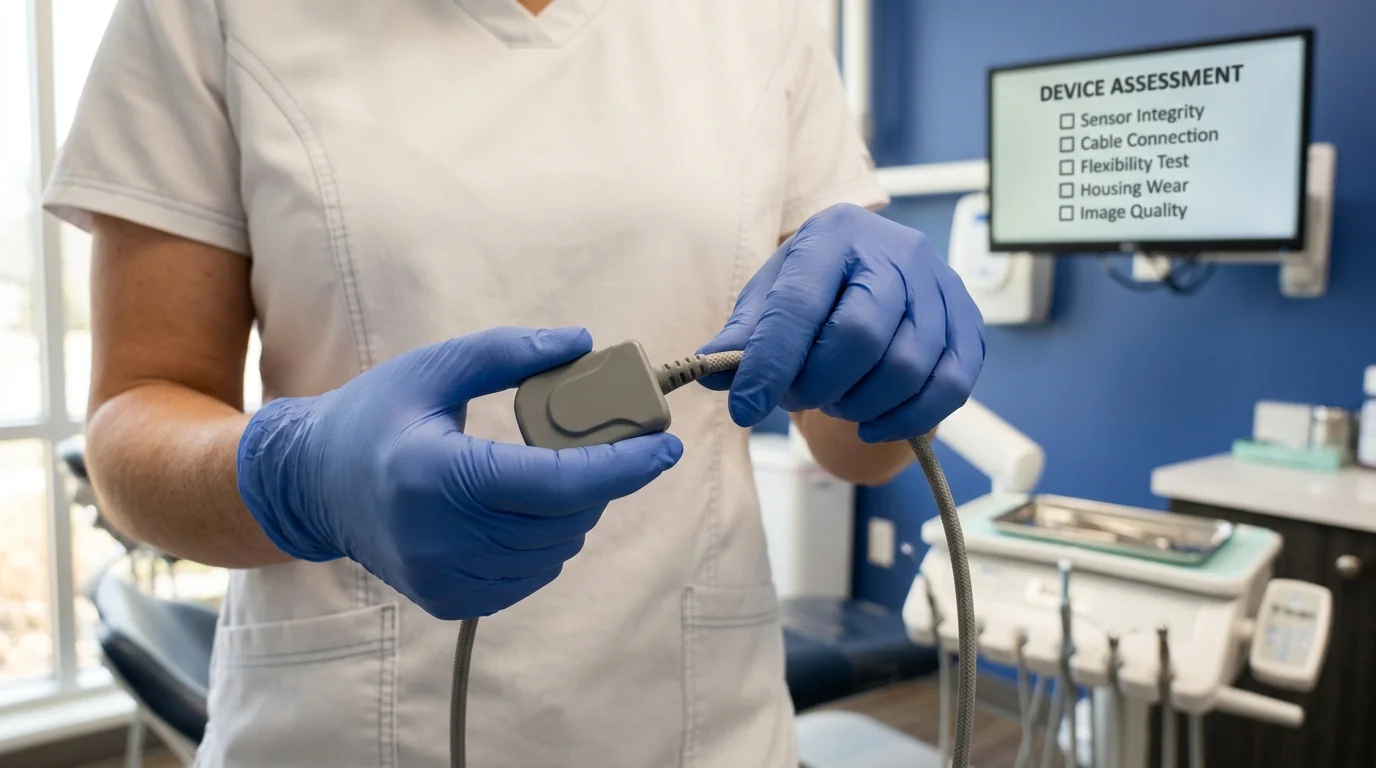 Before examining any specific product, first quantify your facility's unique requirements. A clear internal assessment prevents over-specification or under-equipping.
- Patient Volume and Throughput: What is your daily/weekly caseload for procedures requiring specific equipment (e.g., intraoral X-rays)? A high-volume OPD has different durability and speed requirements than a boutique practice.
- Facility Type and Specialisation: Are you a general dental practice, a multi-specialty hospital, an endodontics-focused clinic, or a prosthodontics lab? Your clinical focus dictates the necessary equipment specifications. An endodontist's need for high-resolution imaging is non-negotiable.
- Existing Infrastructure and Software: What Practice Management Software (PMS) are you currently using? Is your IT network prepared for new digital imaging devices? Assess compatibility upfront to avoid significant integration challenges later.
- Operator Skill Level: Will the equipment be used by senior specialists, junior dentists, or rotating dental assistants? The user interface, ease of use, and required training are critical factors.
- Physical Space and Ergonomics: Do you have the necessary space for larger equipment like dental chairs or OPG machines? For handhelds and sensors, consider ergonomics and cable management within your operatories.
Key Product Specifications: Evaluating an RVG Sensor
Let's use a common and critical piece of equipment—the Radiovisiography (RVG) sensor—as a practical example for technical evaluation. Understanding the core specifications is essential for comparing models effectively.
An RVG sensor is fundamental to modern digital diagnostics, and its performance directly impacts clinical outcomes. When assessing a device like the Unicorn Denmart Xpect Vision RVG Sensor - 1.5, focus on these technical metrics:
- Sensor Technology: Most modern sensors use CMOS (Complementary Metal-Oxide-Semiconductor) technology, often combined with a scintillator layer (like CsI) to convert X-rays to light. Verify the specific technology, as it impacts image clarity and radiation dose efficiency.
- Theoretical vs. True Resolution: Manufacturers list theoretical resolution in line pairs per millimeter (Lp/mm). While a higher number is generally better, request clinical sample images. True, or clinical, resolution is what you see in a diagnostic setting, and it is affected by software processing and your X-ray generator's focal spot.
- Active Image Area: The size of the sensor (e.g., Size 1, Size 1.5, Size 2) is important, but the active area within those physical dimensions is the critical metric. A larger active area reduces the need for multiple exposures and minimizes cone cuts.
- Bit Depth: This determines the grayscale range of the image (e.g., 14-bit or 16-bit). A higher bit depth allows for more subtle differentiation between tissue densities, which is crucial for early caries detection and endodontic file visualisation. The Xpect Vision RVG, for instance, operates with a high bit depth to provide detailed diagnostic images.
- Software and Drivers: Confirm that the sensor comes with TWAIN-compatible drivers. This ensures it can function with a wide range of third-party imaging software beyond the manufacturer-provided application, protecting your investment if you change your PMS in the future.
Beyond the Spec Sheet: Operational and Supplier Criteria
Technical specifications are only part of the equation. Long-term value is determined by operational factors and the reliability of the supplier.
When looking at the broader category of Dental RVG Sensors, consider these points:
- Durability and Cable Integrity: The sensor cable is the most common point of failure. Scrutinise the cable's reinforcement at the sensor-entry point and the USB connection. Ask about the number of flexion cycles it's tested for.
- Ergonomics and Patient Comfort: A sensor with rounded, slim edges improves patient tolerance, especially for paediatric or geriatric cases and for challenging posterior placements.
- Warranty and After-Sales Support: Understand the exact terms of the warranty. Does it cover accidental damage? What is the typical turnaround time for service or replacement? A down sensor can significantly disrupt your clinic's schedule.
- Regulatory Compliance: Verify the equipment has the necessary certifications for medical devices in India. Look for ISO 13485 (quality management for medical devices) and CE certification, which indicate adherence to stringent manufacturing and safety standards.
The Supplier Evaluation Checklist
The manufacturer or supplier, in this case, Unicorn Denmart, is as important as the product itself. Evaluate them on these operational grounds:
| Criteria | Key Evaluation Questions |
| Service Network | Do they have a qualified service engineer in your city or region? What is the guaranteed response time for a service call? |
| Training and Onboarding | Is on-site installation and staff training included? Do they provide access to online resources or refresher courses? |
| Spares Availability | How readily available are common replacement parts like sensor cables or holders? What is the lead time for these parts? |
| Company Reputation | What is their track record in the Indian market? Seek feedback from colleagues at other institutions regarding their long-term support. |
| Integration Support | Will their technical team assist with integrating the new equipment into your existing Practice Management Software and IT network? |
Common Procurement Pitfalls to Avoid
- Focusing Solely on Initial Acquisition: Neglecting the total cost of ownership, which includes consumables, annual maintenance contracts (AMCs), and potential repair expenses.
- Ignoring Software Compatibility: Assuming a new device will "just work" with your existing systems. Always demand a demonstration of interoperability before finalising.
- Underestimating Staff Training: A device is only as good as its operator. Inadequate training leads to underutilisation of features and potential diagnostic errors. Budget time and resources for comprehensive team training.
- Overlooking Warranty Nuances: Not reading the fine print on what is and isn't covered. For instance, physical damage to an RVG sensor is often excluded from standard warranties.
Equip Your Practice with Confidence
A structured evaluation process ensures that your investment in dental equipment is sound, both clinically and financially. By moving beyond marketing materials and focusing on a rigorous needs-based assessment of the product and the supplier, you equip your facility for enhanced patient care and operational excellence. For a detailed overview of specifications and options, explore the range of certified dental equipment available through MedikaBazaar.
FAQs

