

Dentist
Evaluating and Selecting the Right Teeth Set for Your Dental Practice
A clinical and operational guide for dentists and procurement managers on selecting the right acrylic teeth set based on material, morphology, and patient needs.

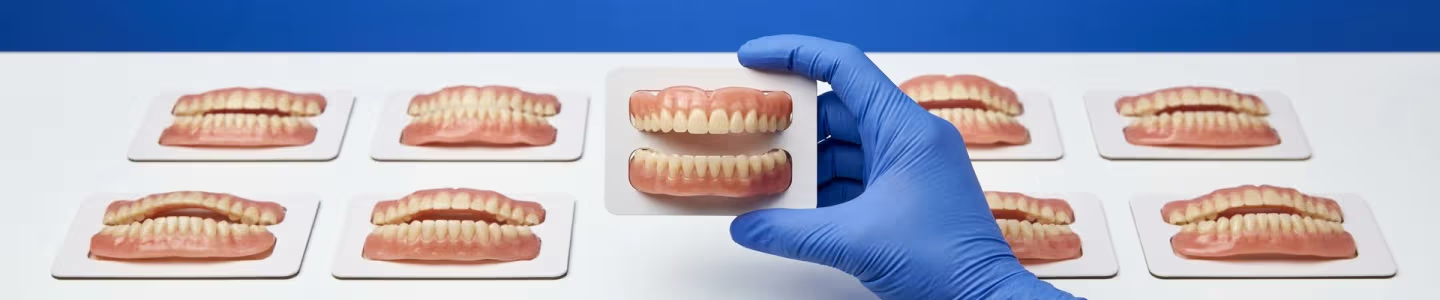
In the field of removable prosthodontics, the selection of a suitable teeth set is a foundational step that directly impacts clinical success, patient satisfaction, and laboratory efficiency. These pre-fabricated sets of artificial teeth, typically made from acrylic resin, are the building blocks of complete and partial dentures. A well-chosen set not only restores masticatory function but also provides crucial aesthetic support for the patient's facial structure. For any dental practice or laboratory, maintaining an inventory of quality acrylic teeth sets is essential for consistent and predictable outcomes.
This guide provides a clinical and operational framework for evaluating and specifying the correct teeth set for various patient requirements, moving beyond basic selection to a more nuanced, evidence-based approach.
Understanding the Material Science of Acrylic Teeth
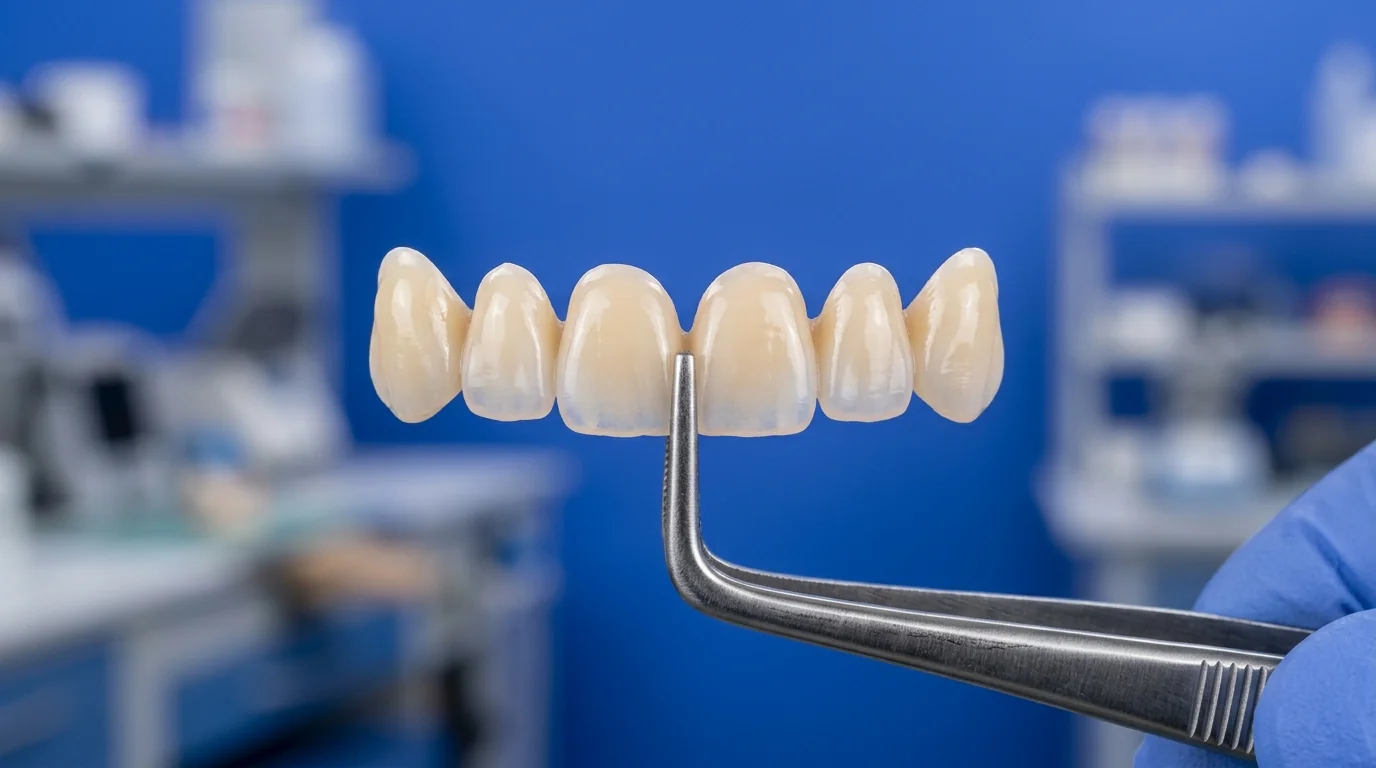 The vast majority of modern artificial teeth are manufactured from Polymethyl Methacrylate (PMMA) and its copolymers. However, not all acrylic teeth are created equal. The key to their performance lies in the material's specific formulation and manufacturing process, which determine durability, aesthetics, and longevity.
- Polymer Chemistry: High-quality teeth are made from highly cross-linked polymers. Cross-linking creates a dense, three-dimensional network of polymer chains, significantly increasing the material's resistance to crazing (micro-fractures), solvents (like the monomer in denture base resins), and abrasive wear. This is a critical factor for long-term functional stability.
- Layering for Aesthetics: Natural teeth have a complex structure with varying translucency and colour from the dentin core to the enamel surface. To mimic this, premium teeth sets are constructed with multiple layers—typically two, three, or even four. This layered approach creates a depth of colour and a vital, natural appearance that single-layer teeth cannot replicate. The incisal edge often incorporates a translucent layer to mimic natural enamel.
- Hardness and Wear Resistance: The material's surface hardness, often measured on the Vickers scale, correlates directly with its resistance to wear from mastication and cleaning. A harder, denser material will maintain its occlusal form for longer, preserving the vertical dimension of occlusion and ensuring patient comfort.
Key Morphological Considerations in Selection
Selecting the right mould is a combination of science and art, guided by well-established prosthodontic principles. The goal is to choose a teeth set that harmonises with the patient's facial features and remaining oral structures.
Facial Form and Tooth Shape A guiding principle is Williams' Law of Harmony, which states that the shape of the maxillary central incisor should correspond to the inverted outline of the patient's face.
- Square: A face with a broad forehead, straight sides, and a prominent jawline.
- Tapering: A face that is widest at the forehead and tapers down to a narrower chin.
- Ovoid: A rounded facial outline, often considered the most common form.
Matching the tooth mould (e.g., Tapering, Square, Ovoid or 'TSO' classification) to the facial form creates a natural and aesthetically pleasing result.
Shade Selection Shade is determined using a standard shade guide, with the VITA Classical A1-D4 system being the most universally recognised.
- Reference Points: The shade should be selected in natural light, often matched to the sclera of the patient's eye, skin tone, or any remaining natural teeth.
- Patient Age: Younger patients typically have lighter, more translucent teeth, while older patients may have darker, more opaque shades due to secondary dentin formation and extrinsic staining.
- Patient Preference: Always involve the patient in the final shade selection process to manage expectations and ensure satisfaction.
Occlusal Scheme The design of the posterior teeth's occlusal surfaces is critical for the stability and function of the denture.
- Anatomic (30-45°): These teeth have steep cuspal inclines that mimic natural dentition. They offer high masticatory efficiency but require precise occlusal records and are best for patients with well-formed alveolar ridges.
- Semi-Anatomic (10-20°): A versatile option with reduced cusp angles. They provide good function while being more forgiving of minor inaccuracies in jaw relation records and are suitable for moderately resorbed ridges.
- Non-Anatomic (0°/Monoplane): These are flat-planed teeth with no cuspal inclines. They are indicated for patients with highly resorbed ridges, poor neuromuscular control, or when setting a balanced occlusion is challenging. They provide stability but reduced chewing efficiency.
Evaluating Cross-Linking and Layering for Durability
When specifying a teeth set for procurement, two of the most important technical differentiators are the degree of cross-linking and the number of layers. These features directly influence the clinical performance and aesthetic quality of the final prosthesis.
A higher degree of cross-linking in the PMMA matrix results in a tooth that is more resistant to the daily chemical and physical stresses it will endure. It prevents the monomer from the denture base acrylic from penetrating and weakening the tooth, ensuring a strong, permanent bond.
Similarly, multi-layered construction is a hallmark of a high-quality teeth set. While a two-layer tooth provides a basic distinction between dentin and enamel, a three- or four-layer tooth adds a cervical layer and transitional tones, creating a much more lifelike appearance. For instance, a product like the MR. DENTAL V-LUX Full Acrylic Teeth Set is often specified for its cross-linked acrylic and multi-layer construction, aiming to balance durability with superior aesthetics for demanding cases.
Operational and Clinical Best Practices
Proper management and handling of your teeth set inventory are crucial for efficiency and quality control.
- Inventory Management: A full assortment of every mould and shade is impractical for most practices. A pragmatic approach involves stocking the most frequently used moulds (e.g., 2-3 of each TSO type) in the most common shades (e.g., A2, A3, A3.5, B2). This '80/20' approach covers the majority of cases, with less common requirements being sourced on a per-case basis. This principle of strategic stocking applies not just to teeth sets but to a wide array of Dental consumables and equipment.
- Bonding to the Denture Base: To ensure a robust bond, the ridge-lap area of the acrylic tooth should be lightly ground to remove surface gloss and expose fresh polymer. This creates a clean, active surface for chemical bonding with the denture base resin. Mechanical retention features, such as diatorics in posterior teeth, also contribute to retention.
- Handling and Asepsis: Teeth are supplied in non-sterile but clean conditions on cards or in wax. They should be handled with clean instruments and stored away from dust and contaminants. They cannot be autoclaved, as the heat would cause deformation. Disinfection, if required, should be done with a suitable chemical agent like glutaraldehyde, following the manufacturer's instructions.
Differentiating Between Teeth Sets: A Comparison
To aid in procurement decisions, here is a functional comparison between standard and premium teeth sets.
| Feature | Standard/Economy Teeth Set | Premium Teeth Set |
| Material | Standard PMMA | Highly cross-linked PMMA or composites |
| Layering | 1-2 layers | 3-4 layers for enhanced vitality |
| Aesthetics | Basic, uniform colour | High translucency, natural opalescence |
| Wear Resistance | Moderate | High; maintains VDO for longer |
| Stain Resistance | Fair | Excellent; resists staining from food/drink |
| Typical Use Case | Immediate dentures, temporary prostheses | Definitive complete/partial dentures |
Equip Your Facility Today
Ensuring your practice or lab is equipped with a versatile range of high-quality teeth sets is fundamental to delivering excellent patient outcomes in prosthodontics. A well-informed selection process that considers material science, morphology, and clinical indications empowers you to create functional, aesthetic, and durable prostheses.
FAQs

