

Dentist
Evaluating GC Dental Cement: A Guide for Clinical and Procurement Teams
A detailed guide for clinicians and procurement heads on evaluating and using GC dental cement, focusing on luting GIC properties like GC Gold Label 1.


In any restorative dental practice, the final step of cementation is as critical as the preparation and fabrication that precede it. The long-term success of a crown, bridge, inlay, or post depends entirely on the integrity of the luting agent used. As procurement and clinical leads, our choice of dental cement directly impacts procedural efficiency, patient outcomes, and the operational reputation of our facility. Among the established names, GC dental cements, particularly their glass ionomer formulations, warrant a detailed clinical and operational evaluation.
This guide provides a peer-to-peer breakdown of GC's glass ionomer cement technology, focusing on the workhorse luting gic that many practices rely on. We will dissect the material science, outline key evaluation criteria for institutional sourcing, and cover the precise handling protocols required to achieve predictable, durable results.
The Science of Glass Ionomer Cement (GIC)
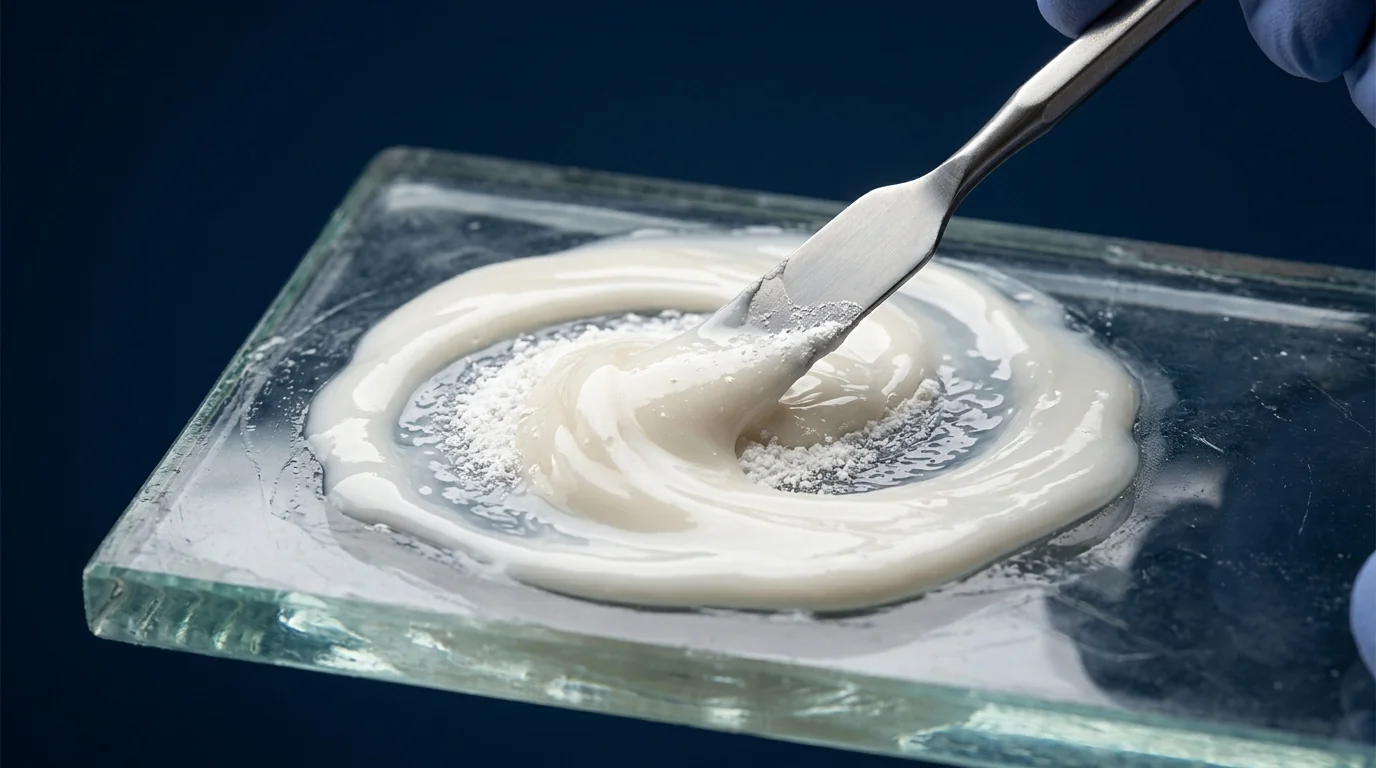 Before focusing on a specific product, it’s essential to understand the material class. Conventional Glass Ionomer Cements (GICs) are not merely adhesives; they are dynamic materials that form a true chemical bond to the tooth structure.
The setting reaction is a classic acid-base formulation: a fluoroaluminosilicate glass powder reacts with a polyalkenoic acid liquid. This reaction creates a robust, stable matrix that offers several distinct clinical advantages:
- Chemical Adhesion: GICs chelate with calcium ions in enamel and dentin, forming a genuine, ion-exchange layer. This creates a durable bond and an excellent marginal seal without requiring complex bonding agents.
- Fluoride Release and Recharge: The glass particles act as a long-term fluoride reservoir, releasing ions into the surrounding tooth structure to inhibit secondary caries. This "smart" behaviour is a significant advantage, especially in high-caries-risk patients.
- Biocompatibility: GICs are known for their kindness to the pulp, minimizing the risk of post-operative sensitivity when used correctly.
- Favourable Thermal Properties: The coefficient of thermal expansion is very similar to that of natural dentin. This reduces stress at the restoration margin during temperature changes, protecting the seal over time.
A Clinical Analysis of GC Gold Label 1 / Fuji I
When discussing a reliable luting cement, GC Gold Label 1 (often known by its international name, Fuji I) is a benchmark product. For decades, it has been the go-to conventional GIC for luting metal and PFM (porcelain-fused-to-metal) restorations. Its success is not accidental; it’s a result of a refined balance of key material properties.
The classic formulation, such as the GC Gold Label 1 / Fuji I (Powder-Liquid) Luting GIC - Regular Pack, has established a long-standing reputation for reliability in routine crown and bridge procedures. Its performance hinges on several operator-controlled factors and inherent material characteristics.
Key Performance Characteristics:
- Low Film Thickness: A critical parameter for any luting agent. Gold Label 1 mixes to a low film thickness (around 15 microns), which allows crowns and bridges to seat completely without occlusal interference. A thick mix will prevent full seating, leading to immediate bite issues and long-term marginal failure.
- Working and Setting Time: The powder-liquid system provides a controlled working time of approximately 2 minutes at a standard ambient temperature (23°C). The final set occurs in the mouth in about 4.5 minutes. This window is sufficient for most single-unit or short-span bridge cementations.
- Marginal Seal: Due to its chemical bond and hydrophilic nature, it creates a resilient seal against microleakage, which is a primary defence against pulpal irritation and secondary decay.
- Radiopacity: The material is sufficiently radiopaque, allowing for clear visualisation on radiographs to confirm marginal fit and detect any excess cement in subgingival areas.
Evaluation Criteria for Institutional Sourcing
When specifying a dental cement for your department or clinic, a systematic evaluation ensures you select a material that meets both clinical demands and operational realities.
1. Clinical Application Profile:
- Restoration Type: Is the primary need for PFM, full-cast metal crowns, metal posts, or orthodontic bands? Conventional GICs excel here. They are not the indicated material for bonding all-ceramic or zirconia restorations, which require resin-based cements.
- Patient Demographics: For patients with a high caries index, the fluoride-releasing properties of a GIC are a significant clinical benefit.
2. Material Specifications:
- Compressive Strength: Must be adequate to withstand occlusal forces under the restoration.
- Adhesion Strength: Verify its bond strength to dentin, enamel, and the relevant alloys used by your lab.
- Solubility: Low solubility in oral fluids is non-negotiable for preventing marginal ditching and cement washout over time.
3. Workflow and Handling:
- Formulation: Powder/liquid offers cost control and versatility but requires meticulous, standardised training for staff. Encapsulated versions offer perfect ratios and faster mixing at a higher consumable overhead.
- Ease of Cleanup: The ability to remove excess cement cleanly at the correct stage (the rubbery gel phase) without damaging the margin is a major factor in procedural efficiency.
4. Supplier Reliability and Logistics:
- Stock Consistency: Partnering with a dependable
gold label 1 luting cement supplieris crucial to avoid stockouts of such a fundamental consumable. - Shelf Life and Storage: Ensure the supplier provides fresh stock. GICs are sensitive to humidity and high temperatures, which can affect the powder's reactivity and the liquid's viscosity. Proper climate-controlled storage is essential.
Maximising Success: Proper Handling and Application Protocol
The performance of any GIC is highly technique-sensitive. Standardising the protocol across all clinicians is key to achieving predictable outcomes. This precise technique is fundamental to achieving optimal results with all Luting Glass Ionomer Cements.
Step-by-Step Cementation Protocol:
- Preparation Cleaning: Thoroughly clean the internal surface of the restoration and the prepared tooth to remove any temporary cement residue or contaminants.
- Tooth Conditioning (Optional but Recommended): Apply a polyacrylic acid conditioner (e.g., GC Cavity Conditioner) for 10-20 seconds to remove the smear layer and enhance chemical adhesion. Rinse thoroughly.
- Isolate and Dry: Isolate the operating field. Gently air-dry the preparation, but do not desiccate it. The surface should have a slight sheen or gloss, not a frosty, chalky appearance. Over-drying dentin is a common cause of post-operative sensitivity.
- Mixing:
- On a cool, dry glass slab or paper pad, dispense the powder and liquid according to the manufacturer's ratio (typically 1 scoop to 2 drops for Gold Label 1).
- Fluff the powder before dispensing.
- Incorporate the powder into the liquid in large increments, mixing rapidly with a plastic spatula for 15-20 seconds until a glossy, creamy consistency is achieved. A dull appearance indicates the mix is starting to set and should be discarded.
- Application and Seating:
- Apply a thin, uniform layer of cement to all internal surfaces of the restoration.
- Seat the restoration immediately with firm, consistent pressure.
- Excess Removal: This is the most critical step. Wait for the cement to reach a rubbery or gel-like state. At this point, excess can be cleanly removed with a scaler or explorer. Removing it too early (while it is still soft and glossy) can pull cement from the margin. Waiting too long (until it is rock-hard) makes removal extremely difficult.
- Margin Protection: After cleanup, apply a protective coating like GC Fuji Varnish or cocoa butter over the accessible margins to protect the GIC from hydration or dehydration during its initial maturation phase (the first 24 hours).
Equip Your Facility Today
Ensuring your practice is equipped with reliable, clinically proven materials is fundamental to consistent patient outcomes and operational efficiency. For a comprehensive selection of dental cements tailored to your facility's specific procedural needs, explore the curated range on MedikaBazaar.
FAQs

