

Dentist
Evaluating Bossdent Patient Bibs: A Clinician's and Procurement Manager's Guide
An operational guide for clinicians and procurement managers on selecting and using Bossdent patient bibs for optimal infection control and patient comfort.


In any dental practice, from a single-chair clinic to a multi-speciality hospital department, certain consumables form the bedrock of daily operations. They are often overlooked in strategic discussions, yet their failure can disrupt clinical workflow and compromise patient safety. The patient bib is a prime example. This guide provides an operational review of the bossdent patient bib, focusing on the material science, clinical performance, and procurement criteria that matter in a professional setting. We move beyond the basics to analyse what defines a clinically effective and operationally sound patient bib.
Core Construction and Material Science
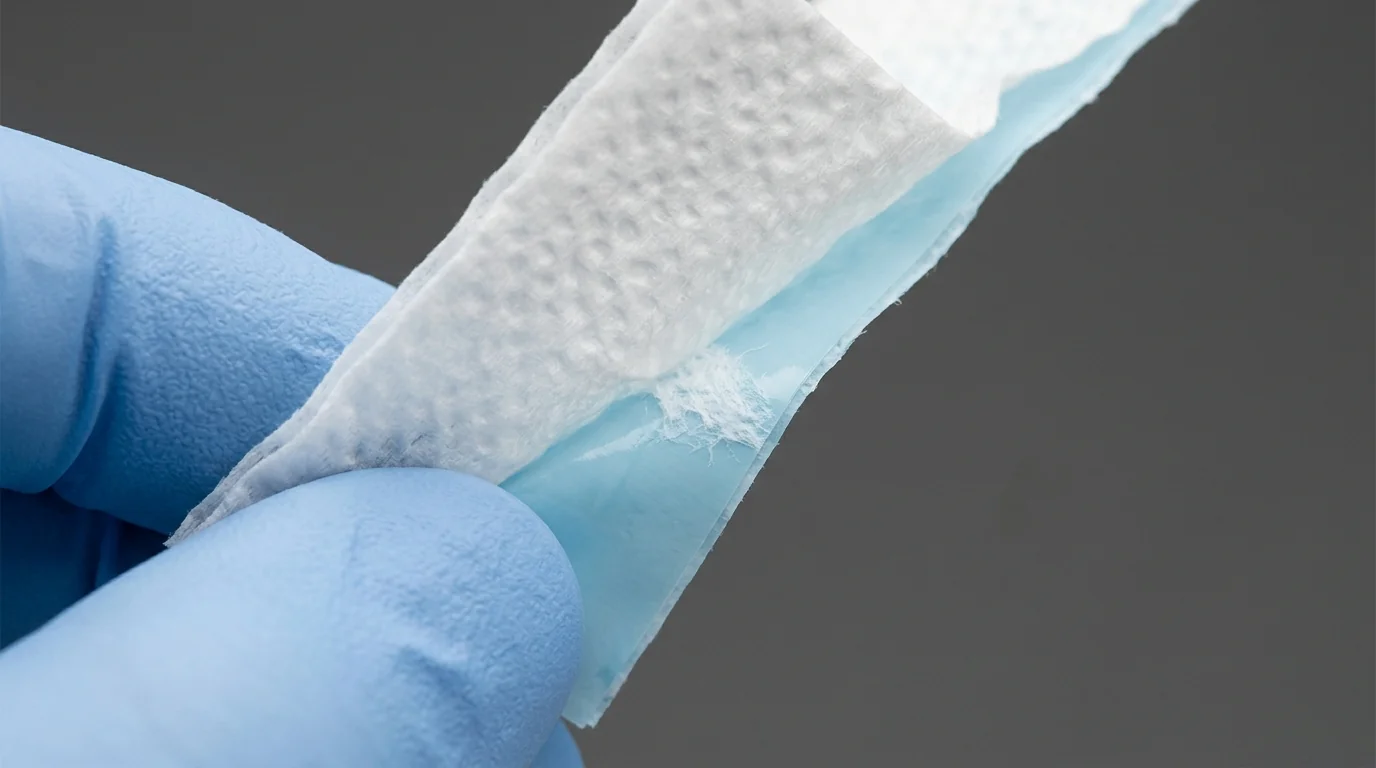 The effectiveness of a dental bib is dictated entirely by its construction. The industry standard, which is exemplified in quality bibs, is a multi-ply laminated design. Understanding these layers is key to evaluating performance.
- The Absorbent Layer (2-Ply Tissue): The top two layers are typically made of medical-grade tissue paper. Their primary function is rapid absorption of fluids—saliva, water from dental units, and minor bleeding. The key metric here, though not always listed, is the paper's GSM (grams per square metre). A higher GSM generally indicates better absorbency and a reduced likelihood of fluids pooling on the surface.
- The Impermeable Barrier (1-Ply Polyethylene): The bottom layer is a thin, non-porous sheet of polyethylene (PE) film. This is the critical barrier that prevents any absorbed moisture from soaking through to the patient's clothing. Its integrity is non-negotiable. The PE film must be bonded securely to the paper layers to prevent delamination during use.
- Embossing Pattern: The textured, often diamond-shaped pattern pressed into the bib is not merely for aesthetics. This embossing helps to bond the layers together, increases the total surface area for absorption, and creates channels that help wick moisture across the bib rather than allowing it to pool in one spot.
A well-constructed bib, such as the Bossdent patient bib, feels like a single, cohesive sheet, not three separate layers loosely attached. This structural integrity is the first sign of a reliable product.
Clinical Application and Performance Criteria
Chairside, a bib's performance is tested in real-time. Several factors determine its suitability for a busy clinical environment.
Fluid Management and Containment The primary role of the bib is to protect the patient. During procedures involving high-speed handpieces, ultrasonic scalers, or air-water syringes, significant aerosol and splatter are generated. The bib must effectively absorb and contain this moisture. A bib that allows fluid to roll off the sides or soaks through immediately fails this basic test.
Durability and Tear Resistance The bib must withstand the placement of bib clips without tearing. It also needs to hold up to minor patient movements. A bib that rips easily not only fails to protect the patient but also reflects poorly on the clinic's attention to detail and quality of care. The strength of the PE backing and the quality of the lamination are crucial for tear resistance.
Patient Comfort and Coverage Standard dimensions, typically around 13 x 18 inches, are designed to provide adequate coverage for the average adult's chest area. The material should be soft and non-irritating to the skin. A stiff, crinkly bib can be uncomfortable for the patient, particularly during longer procedures.
Colour and Opacity While seemingly a minor detail, the colour of the bib can be a functional choice. Coloured bibs provide better contrast against which small items like composite debris or fragments of calculus can be easily seen. An opaque bib also provides a more professional appearance than a thin, semi-translucent one.
An Operational Checklist for Procuring Dental Bibs
For procurement managers and clinic heads, selecting the right bib involves balancing clinical requirements with operational realities.
Here is a practical checklist for evaluation:
- Material Specification: Confirm the 2-ply tissue and 1-ply poly construction. When evaluating a new supply, request a sample to check for delamination, pinholes in the poly film, and overall material feel.
- Dimensions and Consistency: Ensure the stated dimensions are accurate and consistent across the batch. Inconsistent sizing can lead to inadequate patient coverage.
- Fluid Hold-Out Test: A simple in-house test can be very revealing. Place a sample bib on a flat surface and deposit a few drops of water in the centre. Observe for immediate soak-through. The water should be absorbed by the paper layers while the poly backing remains completely dry.
- Packaging and Dispensing: Evaluate the packaging. Bibs are often packed in plastic sleeves. The packaging should be easy to open without requiring contact with the bibs that will remain in storage, thus preventing cross-contamination. Consider how the packaging fits into your existing storage and operatory dispensers.
- Supply Chain Reliability: Consistent availability is critical for a high-turnover item like patient bibs. Sourcing from a platform that can provide a steady, reliable supply chain prevents stockouts that can disrupt clinic operations. When making a selection, it's often useful to review a broader category of
patient bibsto understand the available options before standardising.
Integrating Patient Bibs into Standard Infection Control Protocols
The patient bib is an integral component of your clinic's infection control chain. Its correct use is as important as its material quality.
Single-Use Mandate It is imperative that a new bib is used for every patient. Reusing a bib, even if it appears clean, is a significant breach of cross-contamination protocols and is unacceptable in any clinical setting.
Correct Placement and Removal Use clean or sterile bib clips to secure the bib. After the procedure, the bib should be removed carefully, folding the contaminated surface inward to contain any debris or moisture. The clinician should remove their gloves and perform hand hygiene after disposing of the bib and before setting up for the next patient.
Secondary Uses The impermeable nature of patient bibs makes them versatile. They are frequently used as:
- Disposable liners for instrument trays.
- Covers for bracket tables or countertops to create a clean field.
- A protective cover for sensitive equipment like curing light sensors or intraoral camera heads.
Disposal as Biomedical Waste Once used, a patient bib is considered contaminated waste. It must be disposed of in the appropriate yellow or red biomedical waste bag, in accordance with India's Biomedical Waste Management Rules, 2016. Proper segregation at the point of generation is a legal and ethical responsibility. This is a fundamental part of the complete workflow for all single-use consumables in our Dental practice.
Equip Your Facility Today
Standardising on high-quality consumables like the Bossdent patient bib is a direct investment in clinical excellence and patient trust. By ensuring your practice is equipped with reliable, effective, and professional-grade supplies, you support your team in delivering the highest standard of care. Evaluate your current inventory and consider the operational benefits of a bib designed for the demands of modern dentistry.
FAQs

