

Labs
EDTA Blood Collection Tubes: A Comparison Guide for Indian Labs
Find the right lab blood collection tubes online. Compare K2 vs K3 EDTA, vacuum vs non-vacuum, & PET vs PP tubes for your Indian hospital or clinic.


Let's be direct: choosing the right blood collection tube isn't just about cost per unit. It's about sample integrity, lab workflow efficiency, and mitigating pre-analytical errors. The wrong tube can lead to sample clotting, inaccurate cell counts, and painful re-draws for patients. As a procurement manager or lab head, your choice directly impacts clinical outcomes and operational overhead. When sourcing lab blood collection tubes online, the variables—K2 vs K3 EDTA, vacuum vs non-vacuum, PET vs PP—all have significant implications.
This guide is designed to help you compare some of the most frequently ordered EDTA tubes on MedikaBazaar. We'll break down the specific use cases for each, so you can make an informed, operationally sound decision for your facility, whether you're running a high-volume pathology lab or a small specialty clinic.
What to Look For When Buying EDTA Blood Collection Tubes
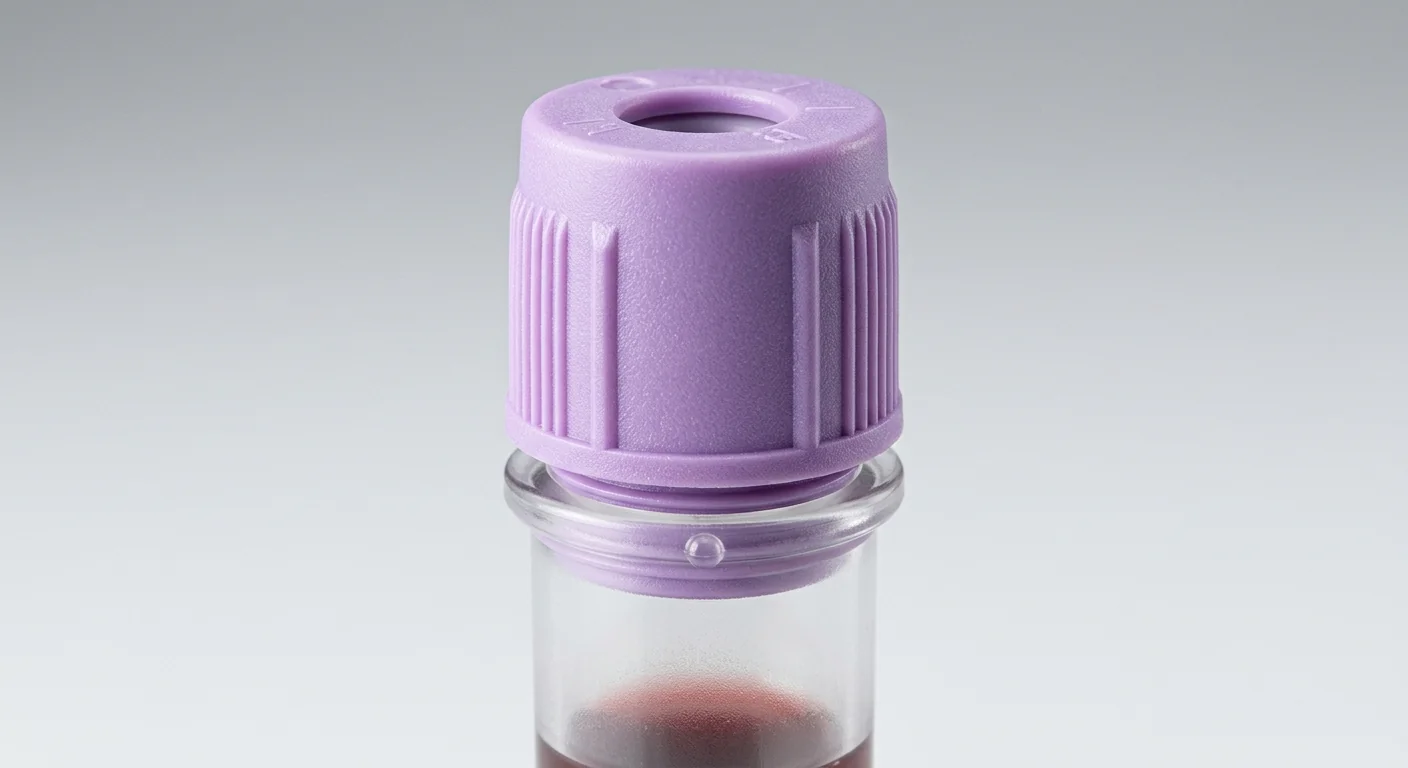 Before we compare specific products, let's align on the core technical factors. Your final choice will hinge on balancing these four variables against your specific testing menu and phlebotomy practices.
1. Anticoagulant: K2 EDTA vs. K3 EDTA This is the most critical clinical decision. Both are effective anticoagulants that chelate calcium ions to prevent clotting.
- K2 EDTA (Dipotassium): Typically spray-dried onto the tube walls. The International Council for Standardization in Haematology (ICSH) and CLSI recommend K2 EDTA for hematological testing. It causes less RBC shrinkage and has a lesser effect on mean cell volume (MCV) compared to K3.
- K3 EDTA (Tripotassium): A liquid solution, which can cause a slight dilution of the blood sample (around 1-2%). This can result in slightly lower hematocrit, RBC count, and hemoglobin values. While functional, K2 is generally the preferred standard for high-precision CBCs.
2. System: Vacuum vs. Non-Vacuum This choice affects sample collection speed, safety, and suitability for certain patient populations.
- Vacuum Tubes: Contain a pre-set negative pressure to draw a precise volume of blood. This standardizes the blood-to-additive ratio, which is critical for accurate results. The closed system also reduces the risk of blood exposure for phlebotomists. They are ideal for routine draws with healthy veins.
- Non-Vacuum Tubes: Require the phlebotomist to manually fill the tube to the indicated mark. They are often more cost-effective and are preferable for difficult draws, such as in pediatric or geriatric patients with fragile veins, as the collector has more control over the draw pressure. They are a common choice for smaller clinics and as a backup option in hospitals.
3. Material: PET vs. PP (Polypropylene) The tube material impacts durability, clarity, and gas permeability.
- PET (Polyethylene Terephthalate): Virtually unbreakable, offering superior safety during transport and centrifugation. PET is optically clear, making it easier to visually inspect the sample for hemolysis or clots. It also has better gas barrier properties, which helps maintain the stability of the vacuum and sample over time.
- PP (Polypropylene): A more economical option. It's translucent (not fully transparent like PET) and more flexible. While durable enough for most routine lab work, it's not as shatter-resistant as PET. mb+ pp 3ml blood tubes for lab use are a practical choice for high-volume, cost-sensitive environments.
4. Volume and Size The most common size is 13x75mm, which fits standard lab equipment racks and centrifuges. The draw volume—typically 2ml or 3ml—should match your analyser's requirements and patient population. 2ml tubes are often used for pediatric samples or when only a small volume is needed.
Quick Comparison: Key EDTA Tube Specifications
This table provides a high-level overview of the products we'll discuss. Use it to quickly identify which options align with your primary requirements.
| Product Name | Anticoagulant | System | Material | Volume | Key Feature |
| mb+ K3 EDTA Non Vacuum Blood Collection Tubes | K3 EDTA | Non-Vacuum | PP | 3ml | Economical, general-purpose hematology |
| mb+ K2 EDTA Non Vacuum Blood Collection Tubes | K2 EDTA | Non-Vacuum | PP | 2ml | ICSH-preferred anticoagulant, for small draws |
| mb+ K2 EDTA Non Vacuum Blood Collection Tubes | K2 EDTA | Non-Vacuum | PP | 3ml | Standard volume with preferred anticoagulant |
| mb+ K3 EDTA Non Vacuum Blood Collection Tubes | K3 EDTA | Non-Vacuum | PET | 3ml | High-durability PET material |
| mb+ K2 EDTA Vacuum Blood Collection Tubes | K2 EDTA | Vacuum | PET | 3ml | Standardized volume, enhanced safety |
Product Comparison: Choosing the Right EDTA Tube
Let's look at the operational specifics of each of these five options. Each is suited to a different workflow, budget, and clinical standard.
mb+ K3 EDTA Non Vacuum Blood Collection Tubes - 13 x 75mm PP 3ml Pack of 100
This tube is the workhorse for many cost-conscious facilities. The combination of K3 EDTA, a non-vacuum system, and polypropylene (PP) material makes it one of the most economical choices for routine hematology. The 3ml volume is standard for most automated analysers.
- Best for: High-volume government hospitals, small clinics, and diagnostic centers where budget is a primary driver. It’s also a reliable option for blood banking (grouping and cross-matching) and general screening tests where the slight dilution effect of liquid K3 EDTA is clinically acceptable.
- Key Selling Points: Highly cost-effective for bulk procurement. The non-vacuum design provides flexibility for phlebotomists dealing with difficult venous access.
- Operational Use Case: A busy morning OPD camp where hundreds of CBCs and blood grouping tests need to be processed efficiently and affordably. If you're looking for a dependable non vacuum blood tubes supplier, this model is a staple.
mb+ K2 EDTA Non Vacuum Blood Collection Tubes - PP 2ml Pack of 100 Tubes
This tube addresses a specific and critical need: small-volume draws that still require the highest standard of anticoagulant. The 2ml capacity is ideal for pediatrics or for patients where a minimal draw is essential. Crucially, it uses spray-dried K2 EDTA, aligning with ICSH recommendations for precision hematology.
- Best for: Pediatric hospitals, NICUs, geriatric care facilities, and oncology departments where venous access is poor or sample volume is limited. Also useful for labs running tests that require only a small amount of whole blood.
- Key Selling Points: 2ml volume minimizes patient discomfort. Utilizes the gold-standard K2 EDTA anticoagulant for more accurate MCV and platelet counts. The PP material keeps it affordable. If you have 2ml pp edta tubes for sale on your procurement list, this is a top contender.
- Operational Use Case: A pediatric phlebotomist collecting a sample for a complete blood count from a neonate. The non-vacuum system allows for a gentle draw using a syringe, and the K2 EDTA ensures the results are as accurate as possible.
mb+ K2 EDTA Non Vacuum Blood Collection Tubes - PP 3ml Pack of 100 Tubes
This option represents a smart upgrade for labs wanting to improve analytical quality without moving to a full vacuum system. It pairs the standard 3ml volume with the preferred K2 EDTA anticoagulant. It's an excellent middle-ground choice, offering better sample quality than K3 tubes while retaining the cost-effectiveness of a non-vacuum, PP design.
- Best for: Any lab that wants to adhere to ICSH guidelines for hematology but finds the cost of vacuum tubes prohibitive or prefers the flexibility of non-vacuum collection. It's a direct quality improvement over the K3 variant.
- Key Selling Points: Adherence to international standards for hematology with K2 EDTA. Standard 13x75mm k2 edta tubes 100 pack format for compatibility. The non-vacuum system remains useful for varied patient demographics.
- Operational Use Case: A mid-sized hospital lab upgrading its CBC testing protocol. Switching from K3 to these K2 tubes can reduce pre-analytical variability and improve the reliability of hematology indices without a major change in collection technique or cost.
mb+ K3 EDTA Non Vacuum Blood Collection Tubes - PET 3ml Pack of 100 Tubes
Here, the focus shifts to material durability. This tube uses PET instead of PP. PET is significantly more robust and shatter-resistant, making it ideal for facilities with pneumatic tube systems or where samples are transported to an external reference lab. The optical clarity of PET also allows for better visual inspection of the sample before analysis.
- Best for: Large hospital networks with central labs, facilities using pneumatic transport systems, and commercial reference labs that receive samples from multiple collection centers.
- Key Selling Points: Superior durability and safety due to shatter-resistant PET material. High transparency for easy sample assessment. A solid choice for those seeking pet edta blood tubes wholesale.
- Operational Use Case: A sample collected at a satellite clinic is sent via a courier or hospital transport system to the main laboratory. The PET tube minimizes the risk of breakage and sample loss during transit, ensuring the sample arrives intact for processing.
mb+ K2 EDTA Vacuum Blood Collection Tubes - 13 x 75mm 3ml Pack of 100 Tubes
This is the premium option, combining all the best-practice features: a vacuum system for a precise blood-to-additive ratio, K2 EDTA for analytical accuracy, and a durable PET tube for safety. It represents the highest standard for routine hematology collection.
- Best for: NABL-accredited labs, corporate hospitals, and any facility prioritizing patient and staff safety, standardization, and the highest degree of analytical accuracy.
- Key Selling Points: The vacuum system ensures a correct fill volume every time, eliminating a key pre-analytical variable. The closed system enhances phlebotomist safety. It combines the best anticoagulant (K2) with the safest material (PET). If your team asks where to buy mb+ 3ml edta vacuum tubes, this is the definitive product.
- Operational Use Case: A phlebotomy station in a high-end private hospital performing routine pre-operative blood work. The vacuum system ensures fast, standardized, and safe collection, while the K2 EDTA/PET combination guarantees a high-quality sample for the hematology analyser.
While these five options cover the most common needs, the full range of consumables is extensive. To explore other volumes, additives, or specialized tubes, you can browse our full EDTA Blood Collection Tube subcategory for competitive bulk pricing.
Why Buy from MedikaBazaar?
As procurement professionals, our goal is to ensure an uninterrupted supply of quality-assured consumables at a predictable cost. Sourcing from a consolidated platform like MedikaBazaar directly addresses these operational needs.
- Reliable Supply Chain: With fulfillment centers across India, we ensure consistent, on-time delivery to your facility, whether you are in a metro or a Tier-3 town. This minimizes the risk of stockouts for critical items like blood collection tubes.
- Competitive B2B Pricing: Our platform is built for bulk procurement. We offer transparent, competitive pricing that helps you manage your department's budget effectively.
- Quality Assurance: All products, including the mb+ in-house brand, are vetted for quality and compliance with relevant certifications, giving you confidence in the integrity of your lab results.
- Simplified Procurement: Consolidate your purchasing for all lab consumables, equipment, and medical supplies onto a single platform. This reduces administrative overhead, simplifies inventory management, and provides a single point of contact. The entire Diagnostics category on our platform is structured to support this efficiency.
FAQs

