
Dengue Testing: Types, Procedures & Bulk Procurement Guide


What is a Dengue Test?
Detection of dengue early is one of the best ways to prevent serious complications. The infection often starts with flu-like symptoms fever, headache, body aches, and fatigue which can easily be mistaken for other viral illnesses. Without timely diagnosis, however, dengue can progress into severe conditions like dengue hemorrhagic fever or dengue shock syndrome, which may cause organ damage, internal bleeding, or even become life-threatening. A dengue test is performed to check whether a person has been infected with the dengue virus, which spreads through the bite of an infected Aedes mosquito. The importance of a dengue test lies in its ability to guide treatment. Since there’s no specific cure for dengue, early detection helps doctors manage symptoms, prevent complications like dengue hemorrhagic fever or shock syndrome, and advise on proper hydration and care. It also helps distinguish dengue from diseases with similar symptoms, such as malaria, chikungunya, or COVID-19, ensuring the patient gets the right medical attention at the right time.
Which Tests Are Done for Dengue?
There are different types of dengue tests, such as:
NS1 Antigen Test – Detects the virus early in the infection, often within the first few days of symptoms.
IgM and IgG Antibody Tests – Identify antibodies produced by the body in response to the virus, showing whether the infection is recent or from the past.
PCR Test – A molecular test that looks for the genetic material of the dengue virus and provides highly accurate results.
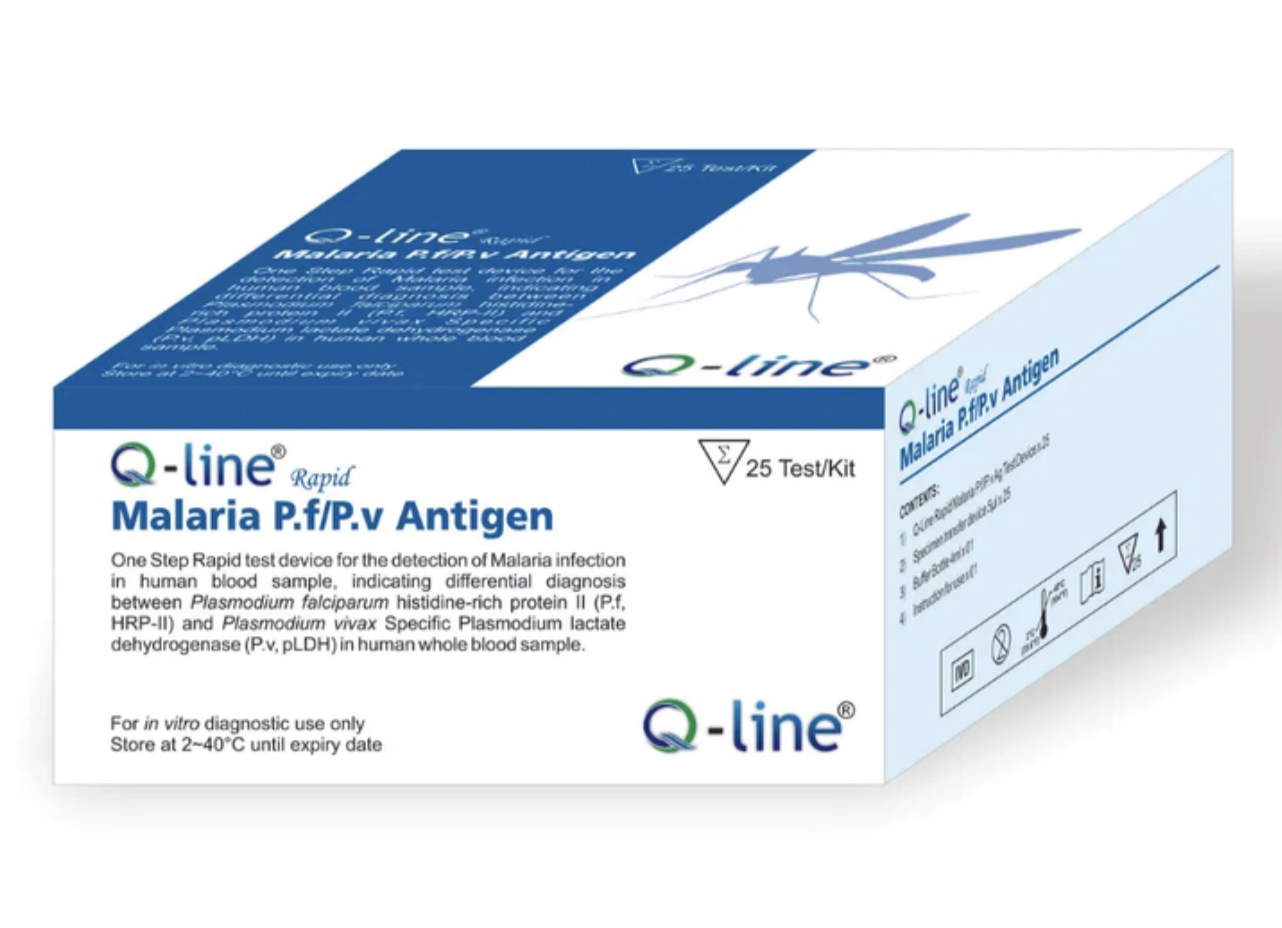
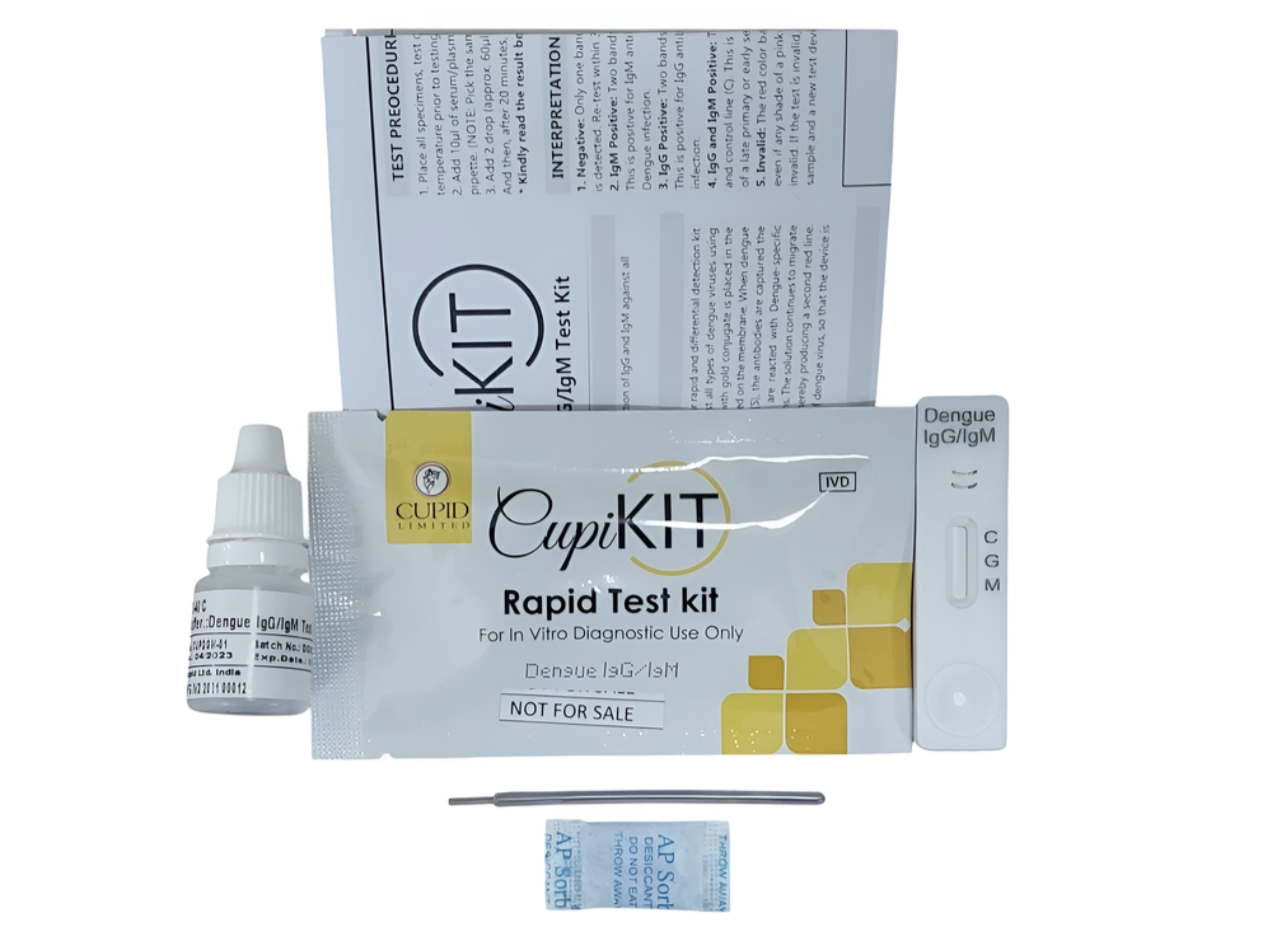
When and How to Do a Dengue Test
Dengue symptoms usually appear 4–10 days after the bite of an infected mosquito. The most common signs include high fever (up to 104°F/40°C), severe headache, pain behind the eyes, muscle and joint pain, rash, nausea, vomiting, loss of appetite, weakness, loose motions, and swollen glands. Fever typically lasts 5–7 days, but if fatigue and weakness persist, it could signal the critical phase, often linked to falling platelet counts. Some people may not show any symptoms at all, but it’s important not to ignore warning signs and to consult a doctor immediately.
Because dengue shares symptoms with flu, COVID-19, and other viral illnesses, a blood test is the only reliable way to confirm infection. The which blood test for dengue often depends on when the symptoms appear:
Direct tests look for the virus itself. The NS1 antigen test and RT-PCR test are most effective in the first 5–7 days of illness. PCR, which detects the viral genome, is considered the most sensitive and specific in the early phase.
Indirect tests check for the body’s immune response. The IgM antibody test is used after 4–5 days of symptoms to detect recent infection, while the IgG test identifies past infection or later-stage illness, with antibodies often appearing after 2–3 weeks and staying for months or even longer.
In addition, a complete blood count (CBC) is often done to monitor platelet levels and white blood cell counts, as both can drop during dengue.
Together, these tests help doctors confirm dengue and decide on the right care, reducing the risk of serious complications.
How is the Dengue Blood Test Performed?
Your doctor will ask about your symptoms and any recent travel history. If dengue is suspected, a blood test will be recommended to confirm the infection.
For the test, a small blood sample is taken from a vein in your arm using a thin needle. You may feel a quick sting when the needle goes in or out, but the process is simple and usually takes just a few minutes.
How to Check a Dengue Test Kit: A Guide
- Make sure you have everything – test strip, dropper, lancet, alcohol swab, and buffer solution. Wash your hands well and let them dry.
- Wipe the fingertip with an alcohol swab and wait until it dries.
- Use the lancet to prick the finger, gently press to get a drop of blood, and collect it with the dropper.
- Put the blood drop on the marked area of the test strip.
- Add the required drops of buffer solution to help the blood move along the strip.
- Keep the strip flat and wait for 15–20 minutes without disturbing it.
- Two lines = Positive
- One line at “C” = Negative
- No line or only a line at “T” = Invalid, repeat with a new kit.
- Discard the lancet, strip, and other items in a proper biohazard container.
When to Seek Medical Advice Based on Test Results
If you’re down with dengue, the most important thing is to stay hydrated by drinking plenty of fluids. Eating a balanced diet and getting enough rest will also help your body recover.
Watch out for warning signs like high fever that doesn’t come down, constant loose motions, cold and clammy skin, low blood pressure, poor appetite, weak pulse, stomach pain, or black/tarry stools. If you notice any of these, seek medical help immediately.
It’s very essential to understand by when to do dengue test. For most people, dengue is mild and can be managed at home with proper care, rest, and medication as advised by a doctor. But since symptoms can sometimes worsen and lead to serious complications, it’s important to keep a close eye on how you feel and not delay medical attention if things get worse.
Importance of Early Dengue Diagnosis for Healthcare Providers
For healthcare professionals, detecting dengue at an early stage is crucial in preventing complications and saving lives. Early diagnosis allows timely management of symptoms, close monitoring of platelet counts, and immediate intervention if the condition begins to worsen. It also helps distinguish dengue from other illnesses that mimic its symptoms, such as flu or COVID-19, ensuring patients get the right treatment without delay.
By identifying dengue early, healthcare providers can reduce the risk of severe outcomes like dengue hemorrhagic fever or dengue shock syndrome. It also helps in guiding patients on proper hydration, rest, and red flag symptoms that require urgent attention. For the larger community, early detection plays a vital role in controlling outbreaks by allowing quicker reporting and implementation of preventive measures.
Related Products

3.8
Fastest by 12th Apr
COD
J.Mitra Day 1 Dengue Rapid Card
₹1,034
₹4,50077% OFF
₹962 with MBFIRST
3.8
Fastest by 13th Apr
COD
Bhat Bio-Scan Dengue NS1+IgG/IgM Rapid Card
₹675
₹3,12578% OFF
₹628 with MBFIRST
Fastest by 13th Apr
COD
Biofootprints Mytest Dengue NS1
₹649
₹604 with MBFIRST
Fastest by 13th Apr
COD
Levram Dengue IgG/IgM/NS1 Combo Rapid Card
₹959
₹892 with MBFIRST
Fastest by 16th Apr
COD
Biofootprints Mytest Dengue IgG/ IgM
₹1,623
₹1,510 with MBFIRST


FAQs
SOCIAL MEDIA
DOWNLOAD APP
HELP US IMPROVE
SOCIAL MEDIA
DOWNLOAD APP