

Dentist
The Aspirating Syringe: A Clinical and Operational Overview
An essential guide for clinicians and procurement heads on the types, selection criteria, and best practices for using aspirating syringes in a dental practice.


The aspirating syringe is a fundamental tool in modern dentistry, and its correct selection and use are critical for patient safety across all disciplines within the Dental field. Unlike a standard syringe, its primary function is not just to deliver a local anaesthetic but to first allow the clinician to check for inadvertent intravascular placement. This simple yet critical step—aspiration—is the standard of care, safeguarding patients from the potential systemic toxicity of local anaesthetics. For any practice, mastering the nuances of this device is a matter of clinical protocol, operational efficiency, and risk management.
The Core Principle: Why Aspiration is Non-Negotiable
 The primary goal of local anaesthesia in dentistry is to deliver the anaesthetic solution to the perineural space, blocking nerve transmission without systemic effects. However, the dense vascularity of the oral and maxillofacial regions presents a significant risk of accidental injection directly into a blood vessel.
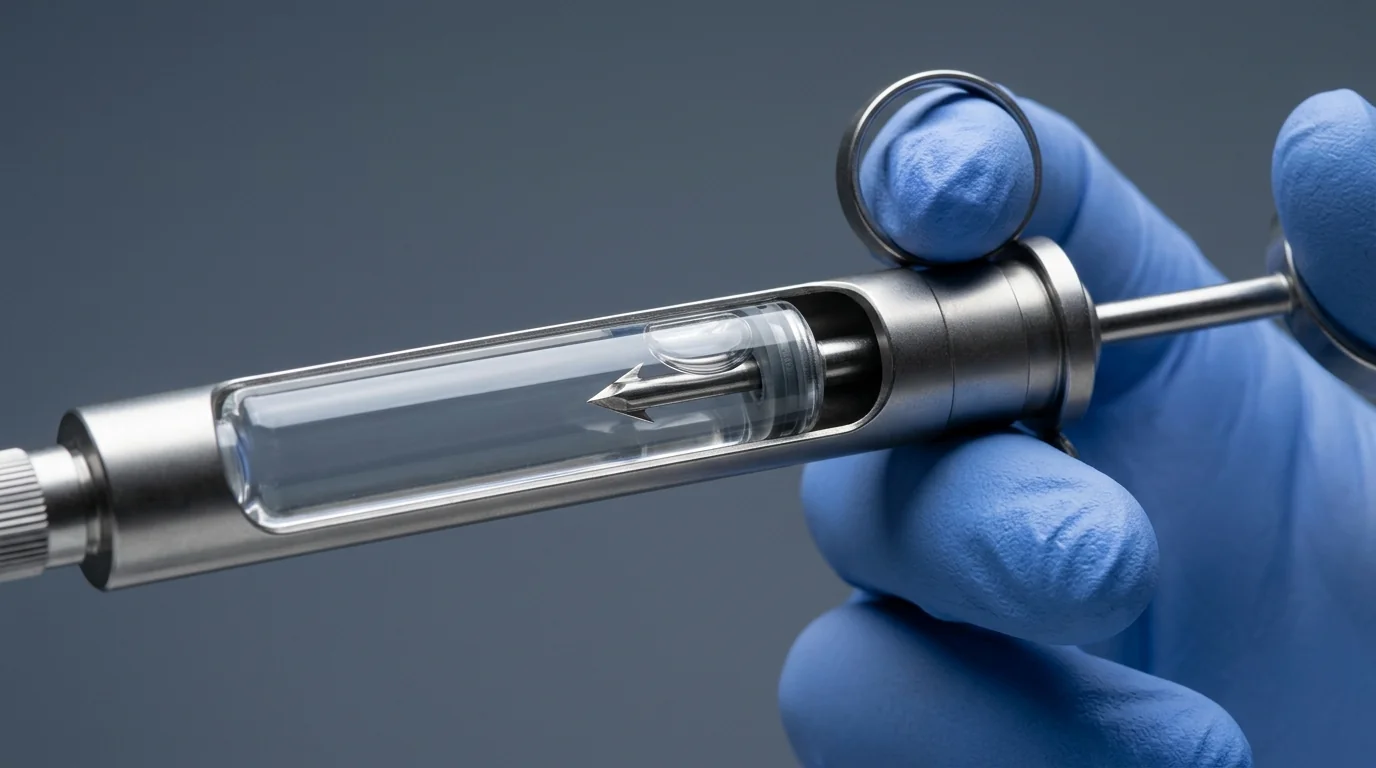
The aspirating syringe is designed to mitigate this risk. By gently pulling back on the thumb ring after the needle is in position, the clinician creates negative pressure within the anaesthetic cartridge.
Clinical Significance:
- Positive Aspiration: If the needle tip is inside a vessel, a small amount of blood will be drawn into the cartridge, visible as a red "flash" or wispy trail. This is a clear signal to reposition the needle before injecting.
- Negative Aspiration: No blood entering the cartridge indicates the needle is likely in the correct tissue plane, and it is safe to proceed with slow injection.
Injecting a full cartridge of local anaesthetic intravascularly can lead to a rapid spike in systemic drug levels, potentially causing serious central nervous system (CNS) and cardiovascular (CVS) toxicity. Symptoms can range from lightheadedness and tinnitus to seizures, cardiac arrhythmias, and cardiovascular collapse. Using an aspirating syringe is a simple, effective procedure to prevent such adverse events.
Anatomy of an Aspirating Syringe: Key Components and Variations
While simple in design, the components of an aspirating syringe are engineered for reliability and specific function. Understanding these parts is key to proper evaluation and use. Most syringes used in Indian practices are of the reusable, metallic, breech-loading type.
- Barrel: A hollow cylinder with a large window. The window is essential for viewing the cartridge to confirm the correct anaesthetic is loaded, check for solution clarity, and, most importantly, visualise the result of aspiration.
- Piston with Harpoon: This is the defining feature. The piston rod terminates in a sharp hook or "harpoon" that embeds into the thick rubber bung (stopper) of the anaesthetic cartridge. When the thumb ring is pulled back, the engaged harpoon retracts the bung, creating negative pressure.
- Finger Grip: The part of the syringe held by the index and middle fingers. Its design affects control and stability.
- Thumb Ring: Allows the clinician to apply forward pressure for injection and backward pressure for aspiration with a single hand.
- Needle Adaptor: A threaded tip onto which the dental needle is screwed. It must be compatible with standard needle hub threads.
Common Types:
- Breech-Loading, Metallic, Harpoon-Type: This is the most common and reliable type. The cartridge is loaded from the side into the barrel. Models like the Septodont Aspirating Syringe are standard workhorses in many clinics, valued for their durability and positive harpoon engagement. They are designed for repeated sterilisation via autoclaving.
- Self-Aspirating Syringes: These metallic syringes do not have a harpoon. Instead, they rely on a small metal projection at the base of the cartridge that rests against the diaphragm of the cartridge. Aspiration is achieved by simply releasing injection pressure, allowing the elastic recoil of the rubber diaphragm to create sufficient negative pressure. While effective, some clinicians find the aspiration feedback less distinct than with a harpoon type.
- Disposable Plastic Syringes: Single-use aspirating syringes offer convenience and eliminate the need for sterilisation. However, their feel and control can be different from metal syringes, and they generate more plastic waste.
Evaluating and Selecting the Right Syringe for Your Practice
When sourcing aspirating syringes, procurement managers and senior clinicians should look beyond the basic function and consider factors that impact daily use, longevity, and patient safety.
-
Material and Durability Reusable syringes are typically made from stainless steel or chrome-plated brass. Stainless steel offers superior corrosion resistance and longevity through countless autoclave cycles. Check for build quality—the device should feel solid, with no loose joints that could fail under pressure.
-
Ergonomics and Balance The syringe will be used dozens of times a day. It should be well-balanced and comfortable to hold. Consider the weight and the design of the thumb ring and finger grips. A poorly designed syringe can lead to operator fatigue and reduce tactile sensitivity during delicate procedures.
-
Harpoon Design and Reliability For harpoon-type syringes, the tip must be sharp and well-defined to ensure it reliably engages the rubber bung of the cartridge without causing it to tear or "coring" it. A bent or dull harpoon is a primary reason for syringe failure and must be a key inspection point.
-
Cartridge and Needle Compatibility Ensure the syringe barrel is sized correctly for standard 1.8 mL dental anaesthetic cartridges. The needle adaptor must have standard threading to accept the disposable needles used in your practice. Inconsistencies here can lead to leakage of the anaesthetic solution. When specifying for your facility, it's wise to review the complete portfolio of available dental syringes and needles to ensure system-wide compatibility.
-
Window Size and Clarity A large, open window in the barrel is non-negotiable. It must provide an unobstructed view of the entire cartridge to easily read the label and, crucially, to detect even the smallest wisp of a positive aspirate.
Best Practices for Use, Maintenance, and Safety
Proper handling and maintenance are as important as the initial selection of the syringe. Adherence to a strict protocol ensures patient safety and extends the life of the instrument.
Aspiration Technique:
- After positioning the needle at the target site, stabilise the syringe firmly.
- Gently pull back the thumb ring 1-2 mm. This should be a controlled, deliberate movement.
- Observe the cartridge through the window for any sign of blood.
- If negative, proceed with a slow injection rate—approximately 1 mL per minute.
- For high-risk areas like an inferior alveolar nerve block, it is recommended to aspirate in two planes. After the first negative aspiration, rotate the syringe barrel by 45 degrees and aspirate again before injecting.
Sterilisation Protocol for Reusable Syringes:
Adherence to proper infection control is paramount. A typical workflow compatible with NABH standards includes:
- Dismantling: Unscrew the needle and remove the used cartridge immediately post-procedure using forceps or a needle recapping device to avoid sharps injury.
- Cleaning: Manually scrub the syringe with a soft brush and neutral pH detergent to remove any bioburden. An ultrasonic bath is highly recommended for thorough cleaning, especially around the threaded areas and harpoon.
- Inspection: Before packaging, visually inspect the syringe. Check for corrosion, ensure threads are intact, and verify the harpoon is sharp and straight. A bent harpoon must result in the syringe being decommissioned.
- Packaging: Place the cleaned, dried syringe in a sterilisation pouch.
- Autoclaving: Sterilise according to the autoclave manufacturer’s guidelines, typically at 121°C and 15 psi for 30 minutes or 134°C for a shorter cycle.
Consistent inspection is key. A syringe is not a lifetime instrument. Any signs of wear, especially a weakened harpoon or corroded parts, compromise its function and safety.
Equip Your Practice for Safety and Precision
The aspirating syringe is more than just a delivery device; it is a critical safety instrument. Selecting a high-quality, durable, and ergonomically sound syringe, combined with rigorous adherence to clinical and sterilisation protocols, reflects a commitment to the highest standards of patient care.
For your facility's needs, explore the curated range of dental instruments and consumables on MedikaBazaar to ensure your clinical teams are equipped with reliable and compliant tools.
FAQs

