
Your Advantages
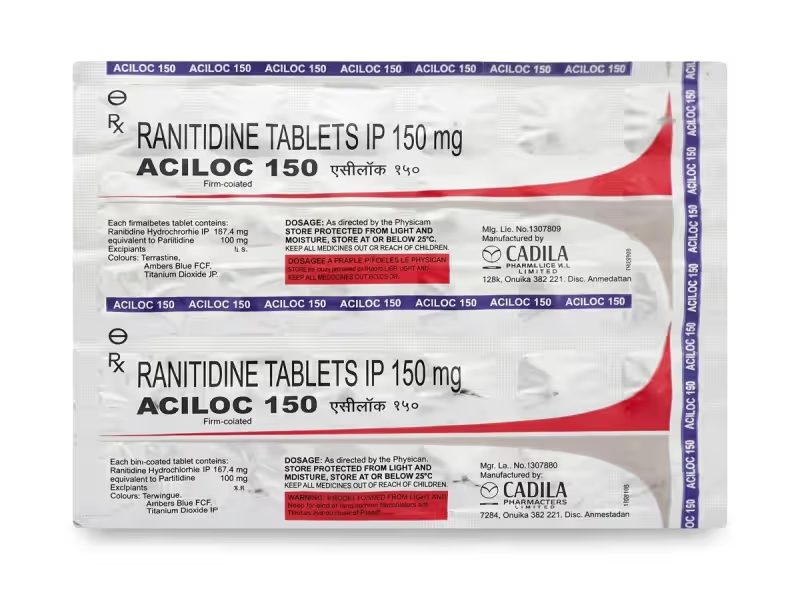
Aciloc 150mg Tablet 30's
₹37.80
₹51
25% Off
Inclusive of 5% GST
Strip
Variant unavailable, Please select another variant
Similar Products

Brand: Cadila
Country of Origin: India
Benefits
Aciloc 150mg Tablet is a medication designed to reduce the amount of acid produced in your stomach, offering relief from various digestive issues. It effectively eases acid reflux and heartburn, helps in the healing of stomach and intestinal ulcers, and alleviates discomfort associated with excess stomach acid. This medicine is beneficial for managing conditions like gastroesophageal reflux disease (GERD) and Zollinger-Ellison syndrome, where the stomach produces excessive acid. It can also help prevent acid-related damage caused by certain medications, such as painkillers.
Dosage and Administration
Always take Aciloc 150mg Tablet exactly as prescribed by your doctor. The dosage and duration of treatment will depend on your specific medical condition, age, and how you respond to the medicine. Generally, for adults with acidity, heartburn, or indigestion, one tablet (150 mg) is taken once or twice daily, usually before meals or at bedtime. For stomach or duodenal ulcers, a common regimen is 150 mg twice a day or 300 mg once at bedtime for 4 to 8 weeks, or as prescribed. Swallow the tablet whole with a glass of water; do not crush or chew it. It is often recommended to take it at a fixed time each day for optimal results. Do not self-medicate or alter the prescribed dose or duration without consulting your doctor.
Ingredients
Each Aciloc 150mg Tablet contains Ranitidine (150mg) as its active ingredient. Ranitidine belongs to a class of medicines known as H2-receptor blockers.
Patient Concerns and FAQs
- Can Aciloc 150mg be used for gastritis? Yes, Aciloc 150mg Tablet can be used for the short-term treatment of gastritis, helping to reduce stomach acid and relieve associated pain and acid reflux.
- How fast does Aciloc 150mg work? The effect of Aciloc 150mg can typically be observed within 30 to 60 minutes after administration, with the maximum effect seen after about two hours. The action of the medicine usually lasts for 4-6 hours.
- Is Aciloc 150mg an antacid? Yes, Aciloc 150mg is an antacid, specifically an H2-receptor blocker, used to treat conditions related to excess stomach acid.
- Can Aciloc 150mg cause constipation? Constipation is a rare side effect of Aciloc 150mg Tablet, and not everyone experiences it.
- How long should I take Aciloc 150mg Tablet? Use it only for the duration prescribed by your doctor. Prolonged use is not generally recommended without medical advice.
- Should I consume Aciloc 150mg on an empty or full stomach? Aciloc 150mg can be consumed with or without food, or immediately afterward, depending on your doctor's instructions. Some sources suggest taking it 30-60 minutes before eating for acidity/heartburn.
Precautions and Safety
Before taking Aciloc 150mg Tablet, inform your doctor if you have any allergies to ranitidine or any other ingredients. Exercise caution if you have kidney or liver problems, as this may affect the dose or suitability of the medicine. It is generally advised to avoid alcohol consumption during treatment, as it can increase stomach acid and worsen symptoms. While driving is usually considered safe as the medicine has negligible effect on alertness, use caution if you experience dizziness or tiredness. Tell your doctor about all other medicines you are taking, as Aciloc 150mg can interact with blood thinners (like warfarin), antifungals (like ketoconazole, itraconazole), HIV medicines (like atazanavir, delavirdine), NSAIDs, iron supplements, and certain heart medications. Maintain a gap of at least 2 hours between Aciloc and other medications if advised by your doctor. Aciloc 150mg should be used with caution in patients with a history of porphyria, lung disease, stomach cancer, diabetes, or in elderly patients. There have been concerns regarding NDMA impurities in ranitidine, leading to its withdrawal in some countries. If you are pregnant or breastfeeding, consult your doctor, who will weigh the benefits and risks before prescribing.
Side Effects and Risks
Most people who take Aciloc 150mg Tablet do not experience side effects, or they are mild and temporary. Common side effects may include:
- Headache
- Constipation
- Diarrhea
- Nausea or vomiting
- Stomach discomfort or pain
- Dizziness or tiredness
- Dry mouth
- Allergic reactions (rash, itching, hives, swelling of face/lips/tongue, breathing difficulties, chest pain)
- Irregular or slow heartbeat
- Confusion (especially in elderly patients)
- Liver problems (yellowing of skin/eyes, dark urine, persistent stomach pain)
- Low blood cell counts
- Pancreatitis (severe stomach pain)
- Shortness of breath
- Hair loss
- Muscle pain
- Gynecomastia (breast enlargement in males)
Storage and Disposal
Store Aciloc 150mg Tablet below 25°C (or at room temperature between 15 to 30 degrees Celsius), protected from light and moisture. Keep this medicine out of the reach of children and pets. It is advised to dispose of expired or unused medication properly to avoid inadequate effects.
Substitutes and Brand Comparisons
Aciloc 150mg Tablet contains Ranitidine. Several other brands offer ranitidine 150mg as the active ingredient. Common alternatives and substitutes include Zinetac 150, Rantac 150, R-Loc 150, Histac 150, Rani 150, and Renetazine 150. Ranitidine was also sold under the brand name Zantac. Always consult your doctor before switching to another brand, as inactive ingredients and tolerability may vary.
Uses and Indications
Aciloc 150mg Tablet is primarily used to treat and prevent conditions caused by excessive acid production in the stomach. Its main uses and indications include:
- Peptic Ulcer Disease: Treatment and prevention of stomach and intestinal ulcers, including duodenal ulcers, benign gastric ulcers, post-operative ulcers, and those caused by NSAIDs. It is also used for maintenance therapy to prevent recurrence.
- Gastroesophageal Reflux Disease (GERD) / Acid Reflux: Management of GERD, including cases with reflux esophagitis, to relieve symptoms like heartburn, acidity, and discomfort.
- Heartburn and Indigestion: Relief from heartburn, indigestion, and other symptoms caused by too much acid in the stomach.
- Zollinger-Ellison Syndrome: Management of this rare condition where the stomach produces abnormally high amounts of acid due to a tumor.
- Gastritis: Can be used for the short-term treatment of gastritis.
- Prevention of Acid Aspiration: Used in high-risk patients to reduce gastric acidity, for example, during anesthesia.
- Prevention of Stress-Induced Ulcers: Helps prevent ulcers that can occur due to stress in seriously ill patients.
Disclaimer
This information is for general awareness only and is not a substitute for professional medical advice. This medicine should be used only under the prescription and guidance of a qualified doctor or pharmacist.

