no scripts enabled
Medikabazaar
Cart
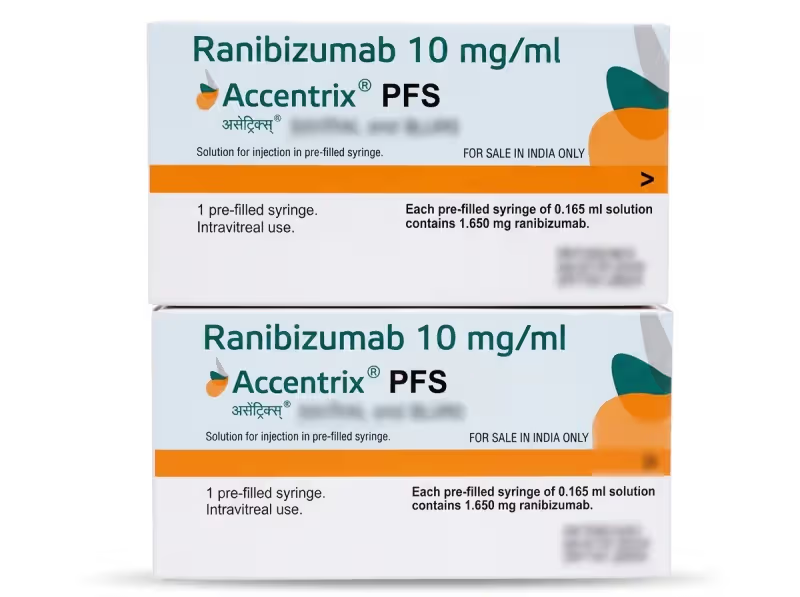
Accentrix 2.3mg/0.23ml Injection

Your Advantages

Accentrix 2.3mg/0.23ml Injection

₹20,790

₹23,524

12% Off

Exclusive of 5% GST

Pack Size

Variant unavailable, Please select another variant

Brand Alcon

Accentrix 2.3mg/0.23ml Injection contains Ranibizumab, an anti-VEGF medication used to treat various eye conditions that cause vision loss.


Benefits

This injection works by blocking a protein called vascular endothelial growth factor (VEGF), which is responsible for the abnormal growth and leakage of blood vessels in the eye. By inhibiting VEGF, Accentrix helps reduce retinal swelling, stabilize vision, and in many cases, improve it. Early initiation of treatment is crucial for preventing further vision deterioration.


Uses and Indications

  • Neovascular (wet) age-related macular degeneration (AMD).
  • Diabetic macular edema (DME).
  • Diabetic retinopathy (DR).
  • Macular edema following retinal vein occlusion (RVO).
  • Visual impairment due to choroidal neovascularization (CNV) secondary to pathological myopia (PM).
  • Proliferative diabetic retinopathy (PDR).
  • Retinopathy of prematurity (ROP) in preterm infants.

The Accentrix 2.3mg/0.23ml Injection contains:

  • Ranibizumab 2.3 mg (active ingredient) in 0.23 mL solution.
  • Excipients: Alpha, alpha-trehalose dihydrate, histidine hydrochloride monohydrate, histidine, polysorbate 20, and water for injections.
Active Ingredient(s)Ranibizumab
Therapeutic ClassAnti-VEGF Agent, Ophthalmological
Storage ConditionsStore in a refrigerator (2°C – 8°C). Do not freeze.
Regulatory ApprovalApproved by regulatory bodies for its indicated uses.
Preservative-free StatusPreservative-free aqueous solution
Licensed IndicationsNeovascular (wet) age-related macular degeneration (AMD), Diabetic macular edema (DME), Macular edema following retinal vein occlusion (RVO), Visual impairment due to choroidal neovascularization (CNV) secondary to pathological myopia (PM), Proliferative diabetic retinopathy (PDR), Retinopathy of prematurity (ROP).

Dosage and Administration

  1. Accentrix 2.3mg/0.23ml Injection is administered as an intravitreal injection directly into the eye by a qualified ophthalmologist.
  2. Do not self-administer this medicine.
  3. The recommended adult dose is typically 0.5 mg (0.05 mL) per injection.
  4. The interval between two doses injected into the same eye should be at least four weeks.
  5. The doctor will determine the appropriate dose and frequency based on the specific disease condition and the patient's response to treatment.
  6. The vial contains 2.3 mg in 0.23 mL solution, which is greater than the recommended dose; a portion of the volume must be discarded prior to administration.


Storage and Disposal

  • Store in a refrigerator between 2°C to 8°C.
  • Do not freeze.
  • Keep the medicine in its original carton, protected from direct sunlight.
  • Dispose of used syringes and needles in a sharps disposal container or according to local requirements.
  • Keep out of reach of children and pets.

Precautions and Safety

  • Do not use this medicine if you have an active or suspected infection in or around your eye, or if you have active intraocular inflammation.
  • Inform your doctor immediately if you experience symptoms such as eye pain or increased discomfort, worsening eye redness, blurred or decreased vision, an increased number of small particles (floaters) in your vision, or increased sensitivity to light.
  • Use with caution in patients with glaucoma, as it may increase intraocular pressure. Eye pressure should be monitored before and after therapy.
  • This medicine is not recommended for use in patients under 18 years of age for indications other than retinopathy of prematurity, as safety and efficacy have not been established.
  • Accentrix may cause temporary visual disturbances; avoid driving or operating heavy machinery until your vision has cleared.
  • Accentrix should not be used during pregnancy; use effective contraception during treatment and for at least three months after the last dose.
  • It is not recommended for use in breastfeeding women.


Side Effects and Risks

  • Common side effects include conjunctival hemorrhage, eye pain, eye floaters, increased intraocular pressure, eye inflammation, eye irritation, blurred vision, redness, swelling around the eye, discharge from the eye, headache, nausea, and skin rashes.
  • Serious but rare complications can include endophthalmitis (infection), rhegmatogenous retinal detachment, retinal tear, and iatrogenic traumatic cataract.
  • Seek immediate medical attention if you experience severe pain, swelling, or significant vision changes after the injection.


Disclaimer

Use this medicine only under the prescription and guidance of a qualified doctor or pharmacist.

twitterlinkedinfacebookinstagramyoutube
@Copyright Boston Ivy Healthcare Solutions Private Limited