

Hospitals
The Comprehensive Healthcare Guide to Nitrile Gloves: Uses, Materials, and Sourcing
Discover what nitrile gloves are made of, their medical uses, and why they are often better than latex. A complete procurement guide for medical facilities.


Disposable gloves are an essential item in any healthcare environment. They not only protect healthcare providers and patients from exposure to potentially dangerous microbes, but they also help set a precedent of hygiene and care across the industry. Disposable gloves are generally made from one of three materials: Nitrile, Latex, or Vinyl.
What are Nitrile Gloves?
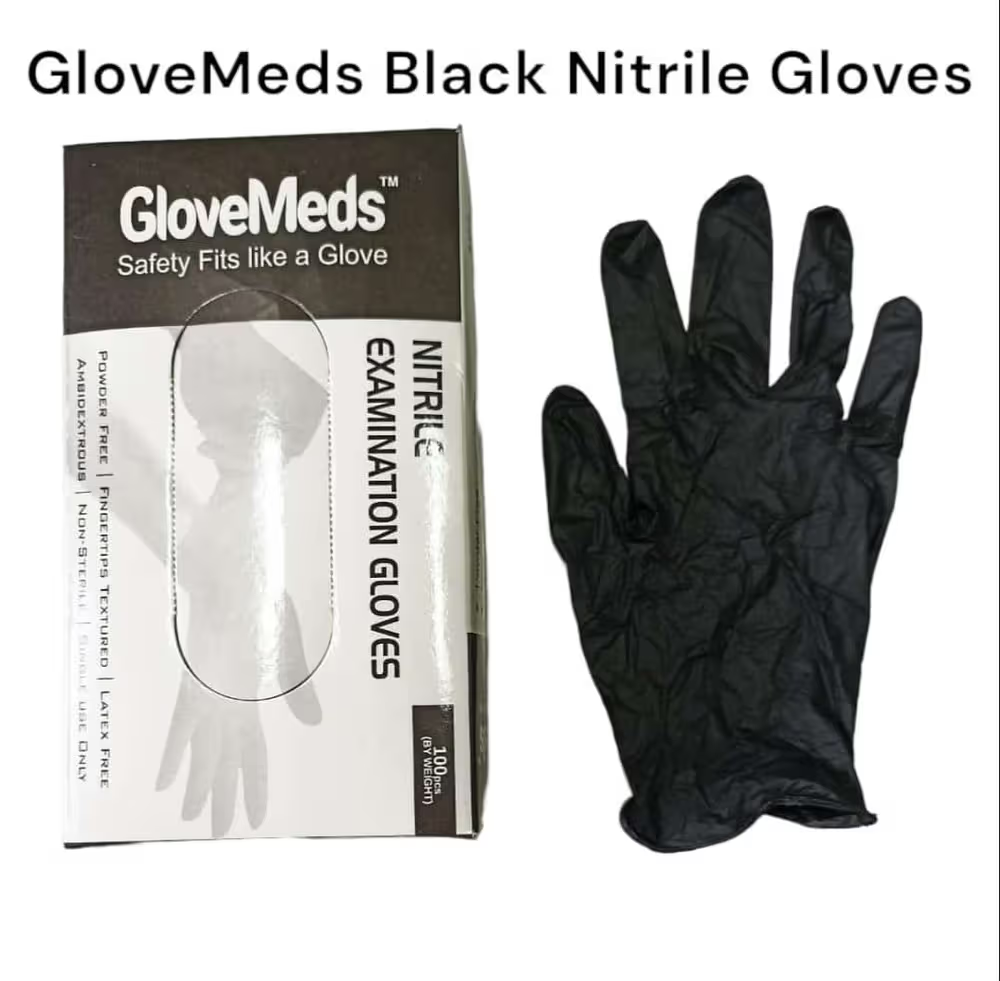
Nitrile gloves are durable, disposable, latex-free gloves made from synthetic rubber widely used for their high resistance to chemicals, punctures, and tears. Ideal for medical, laboratory, and industrial settings, they offer superior protection and a strong grip compared to latex, eliminating allergy risks.
Pros of Nitrile Gloves:
- Chemical Resistance: Nitrile gloves provide excellent resistance to a broad range of chemicals, making them suitable for handling hazardous substances
- Hypoallergenic: Unlike latex gloves, nitrile gloves do not contain proteins that cause latex allergies, making them a safer choice for individuals with sensitivities
- Puncture Resistance: Nitrile gloves are generally more resistant to punctures and tears, providing enhanced protection against sharp objects and materials
- Longer Shelf Life: Nitrile gloves typically last 3–5 years, which is longer than natural latex
What are Nitrile Gloves made of?
Nitrile gloves are made from a synthetic rubber known as Nitrile Butadiene Rubber (NBR). This material is a copolymer, meaning it is created by chemically bonding two specific molecules (monomers) through a process called polymerization.
Acrylonitrile (ACN): Provides the glove with its high chemical resistance to oils, acids, and other harsh substances
Butadiene: Gives the glove its flexibility, stretch, and resistance to punctures and tears
Unlike traditional latex gloves, nitrile gloves do not contain natural rubber proteins, making them a safe, hypoallergenic choice for individuals with latex allergies.
What are Nitrile Gloves used for?
Nitrile examination gloves are commonly used for chemical resistance, medical examinations, food handling, and industrial protection against punctures, oils, and solvents. They are preferred for their superior strength compared to latex or vinyl and provide a secure barrier against hazardous materials, bacteria, and viruses.
Key Uses and Applications:
- Healthcare & Medical: Used by doctors, dentists, and nurses for examinations and lab work due to their resistance to biological contaminants and bodily fluids
- Industrial & Manufacturing: Used in automotive repair, painting, and cleaning, as they resist oils, fuels, and solvents
- Chemical Handling: Suitable for handling acids, bases, and hazardous materials in laboratory environments
- Food Service & Processing: Food-safe and waterproof, making them ideal for handling food items
- General Maintenance & Cleaning: Used for protection during cleaning tasks due to their puncture resistance
Nitrile or Latex Gloves - Which is better?
When choosing between latex and nitrile gloves, several factors should be considered, including the specific requirements of the task, the potential for allergies, and the need for chemical resistance.
- Comfort and Fit:
- Latex Gloves: Known for their exceptional comfort and fit, latex gloves provide a snug and flexible feel. This makes them ideal for tasks requiring fine motor skills and tactile sensitivity
- Nitrile Gloves: Nitrile gloves are also designed to offer a good fit, but they may feel slightly stiffer compared to latex gloves. Modern nitrile gloves have improved in terms of flexibility and comfort, but they may not match the fit of latex gloves
- Allergic Reactions:
- Latex Gloves: Latex gloves can cause allergic reactions in some individuals due to the natural proteins present in latex. Symptoms may range from mild irritation to severe allergic reactions
- Nitrile Gloves: Nitrile gloves are hypoallergenic, making them a safer option for individuals with latex allergies. They do not contain proteins that trigger allergic reactions
- Chemical Resistance:
- Latex Gloves: Latex gloves offer limited protection against certain chemicals. Prolonged exposure to harsh chemicals can weaken the latex material
- Nitrile Gloves: Nitrile gloves provide superior chemical resistance, making them suitable for handling a wide range of chemicals without degrading. This makes them a preferred choice in environments where chemical exposure is a concern
- Puncture and Tear Resistance:
- Latex Gloves: While latex gloves are reasonably durable, they may be more prone to punctures and tears compared to nitrile gloves
- Nitrile Gloves: Nitrile gloves are designed to be highly resistant to punctures and tears, providing enhanced protection in environments where sharp objects are present
- Cost Considerations:
- Latex Gloves: Generally, more cost-effective than nitrile gloves, making them a popular choice for routine tasks where chemical resistance is not a major concern
- Nitrile Gloves: Nitrile gloves tend to be more expensive, but their durability and chemical resistance often justify the higher cost in specialized applications.
Selecting the Right Examination Gloves for Your Staff
Selecting the right examination gloves is crucial for protecting staff and patients from infections, chemical hazards, and allergic reactions. The choice depends on the specific medical task, the need for dexterity, potential latex allergies, and compliance with safety standards.
Choosing the right examination gloves isn't just about grabbing a box off the shelf; it’s a critical balance of safety, comfort, and cost. While nitrile has become the gold standard for its superior puncture resistance and latex-free peace of mind, vinyl remains a budget-friendly hero for low-risk, high-turnover tasks.
FAQs

