

Dentist
How to use dental floss?
What is dental floss? Nylon/PTFE thread cleans between teeth where brushes miss. Learn how to use, benefits for gums/cavities, materials. Shop Colgate floss on Medikabazaar.


Flossing Fundamentals Explained
Brushing twice a day is essential for maintaining oral health, but it cannot effectively clean the spaces between teeth, which is why daily flossing is recommended to remove food particles and plaque. Plaque contains bacteria that feed on sugars and produce acids that damage tooth enamel, leading to cavities and gum disease. If plaque is not removed, it can harden into tartar along the gum line, which can only be removed by a dentist and may result in gum problems. Using inappropriate objects such as fingernails or sharp items to clean between teeth can cause pain and injury, whereas purpose-made tools like dental floss, interdental brushes, dental picks, or water flossers are safe and effective. The choice of tool depends on individual comfort and dental needs, and options like water flossers are especially helpful for people with braces or dental restorations. Flossing can be done before or after brushing, as long as it is done thoroughly once a day without excessive force, and any persistent discomfort should be discussed with a dentist.
Types of Dental Floss Compared
Unwaxed floss: Thin nylon strands that fit easily into tight spaces between teeth but may shred or break more often.
Waxed floss: Nylon floss with a light coating that improves strength and durability, though it may feel slightly bulky in narrow gaps.
Dental tape: Wider and flatter than regular floss, making it more comfortable for people with larger spaces between teeth.
PTFE floss: Smooth, high-performance material that slides easily between teeth and resists shredding.
Super floss: Designed with stiff ends and a spongy section, ideal for cleaning around braces, bridges, and dental appliances.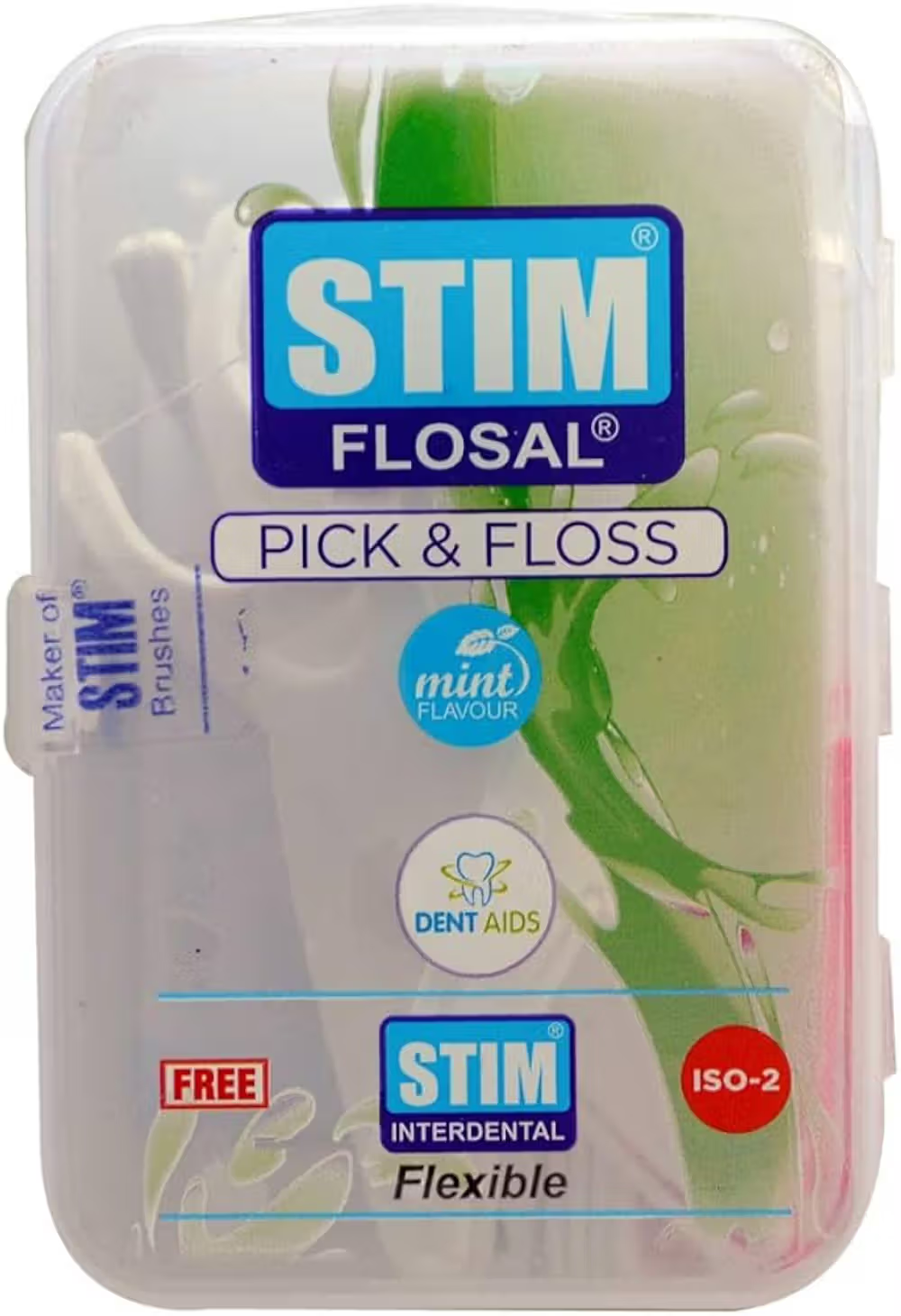
Gum Health Improvement Tips
According to the American Dental Association, common signs of gum disease include persistent bad breath or a bad taste in the mouth, bleeding gums, swollen or tender gums, gums that appear red, gums pulling away from the teeth, and loose or separating permanent teeth. The good news is that gum disease is largely preventable with consistent oral care.
Flossing at least once a day helps remove plaque and food particles from areas a toothbrush cannot reach, and the timing is flexible as long as it becomes a daily habit. Regular dental check-ups and professional cleanings are equally important, as they help identify early signs of gum problems and remove hardened tartar that brushing and flossing cannot eliminate. Smoking significantly increases the risk of gum disease and slows healing, so quitting can greatly improve gum health. Brushing twice daily with a soft-bristled toothbrush helps clear plaque from teeth, gums, and the tongue, while replacing toothbrushes every few months ensures effective cleaning. Using fluoride toothpaste strengthens teeth and supports gum health, especially when it carries a seal of approval from recognized dental associations. Therapeutic mouthwashes can further help reduce plaque and gingivitis, though they should be used alongside brushing and flossing, not as a replacement. Consistency and the right oral care products play a key role in keeping gums healthy.
Flossing for Braces & Bridges
Step 1: Get the floss ready
Select waxed floss, orthodontic floss, or a floss threader. Cut about 18–24 inches of floss and, if using a threader, pass the floss through its loop.
Step 2: Pass the floss under the wire
Gently guide the threader beneath the orthodontic wire and pull it through until there is enough floss on both sides to work comfortably.
Step 3: Secure the floss
Wrap the floss ends around your index fingers, leaving a small section in between for controlled movement.
Step 4: Slide between the teeth
Carefully guide the floss between the teeth without snapping it. Curve it around one tooth in a C shape as you reach the gumline.
Step 5: Clean along the gumline
Move the floss up and down gently to remove plaque, then shift it around the adjacent tooth and repeat.
Step 6: Continue tooth by tooth
Remove the floss from under the wire and repeat the same steps for each tooth. With regular practice, the process becomes quicker and easier.
Common Mistakes to Avoid
- The back teeth tend to collect more plaque, so make sure you floss all the way to the molars.
- Rushing often leads to skipped areas. Slow, controlled movements help clean more effectively.
- Unwaxed floss may shred around brackets or wires, so waxed or orthodontic floss is a better option for braces.
- Mild tenderness is common when starting out, especially with new braces or dental work. Ongoing pain should be discussed with your dentist.
Bulk Buying for Practices
Bulk buying for practices helps reduce overall costs, ensures consistent supply, and saves time on frequent reordering. It also allows clinics to maintain uniform quality across treatments while improving inventory management and operational efficiency.
FAQs

